

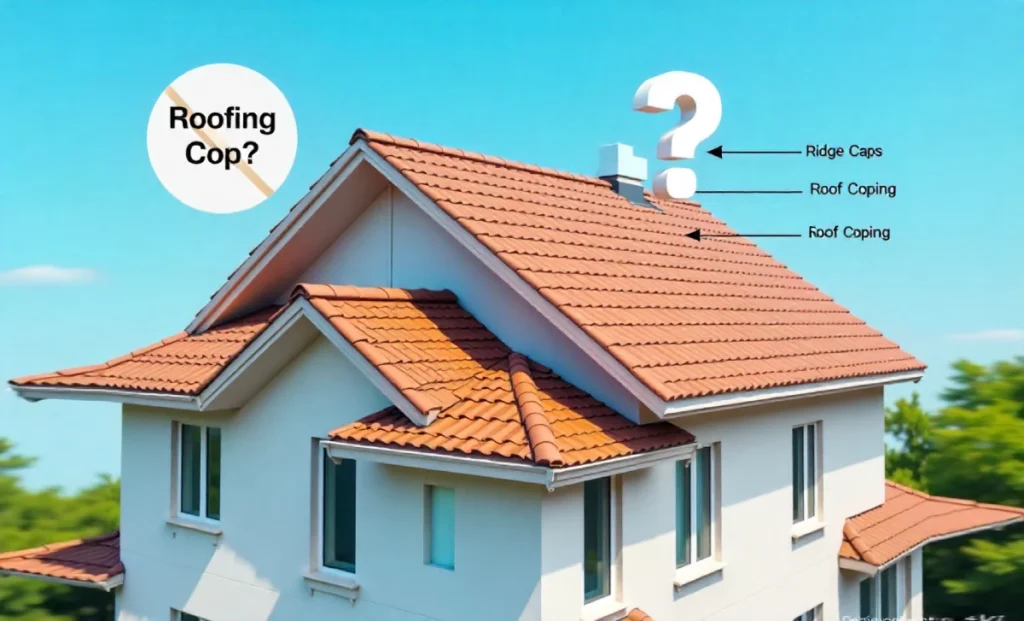
Searching for ‘roofing cop’? You’re not alone—but here’s the critical detail most articles won’t tell you: according to NRCA (National Roofing Contractors Association) terminology guidelines, this term doesn’t exist in professional roofing standards. It’s either a typo or confusion with legitimate roofing components that actually protect your home.
Let’s clear up this mystery and get you the real information you need. Your roof’s too important to mess around with confusing terminology.
Roofing Cop Search Results: Why Ridge Caps or Roof Coping Are What You Actually Need
The term “roofing cop” isn’t found in any professional roofing manual or industry guide. Most homeowners searching for roofing cop are actually looking for ridge caps or roof coping—two completely different but essential roofing components.
Ridge caps seal the peak where two roof slopes meet, preventing water infiltration and debris entry. Roof coping protects parapet walls on flat roofs, directing water away from vulnerable wall structures. Both serve critical functions that keep your home dry and structurally sound.
Know the difference between ridge caps and coping, and you’ll skip costly mix-ups, save hours of research, and talk to contractors like you’ve been in roofing for years. When you know the correct terms, you can research products effectively and communicate clearly with roofing professionals about your specific needs.
Ridge Caps: The Real Roof Peak Protection
Ridge caps are specially shaped roofing materials that cover the highest point of your roof. They’re made from the same material as your main roofing system—asphalt shingles, metal, or tiles. These components create a weatherproof seal where two roof planes intersect at the peak.
Without proper ridge caps, rain, snow, and wind can penetrate your roof system through the ridge line. This leads to water damage, mold growth, and compromised structural integrity over time.
Beyond protection, the right ridge caps give your roof that crisp, custom look that makes neighbors ask who did your roofing. They’re available in colors that match or complement your existing roofing material, ensuring aesthetic consistency across your entire roof system.
You’ll need exact measurements and overlapping seams to install ridge caps that actually shed water—here’s the pro technique most DIYers miss. Professional roofers use specific techniques to secure ridge caps against high winds while maintaining proper ventilation underneath. Per NRCA technical guidelines, ridge caps must overlap by at least 2 inches to prevent wind-driven rain infiltration at the roof peak. DIY installation is possible but requires experience with roofing safety and proper fastening techniques.
Roof Coping: Protection for Flat Roof Walls
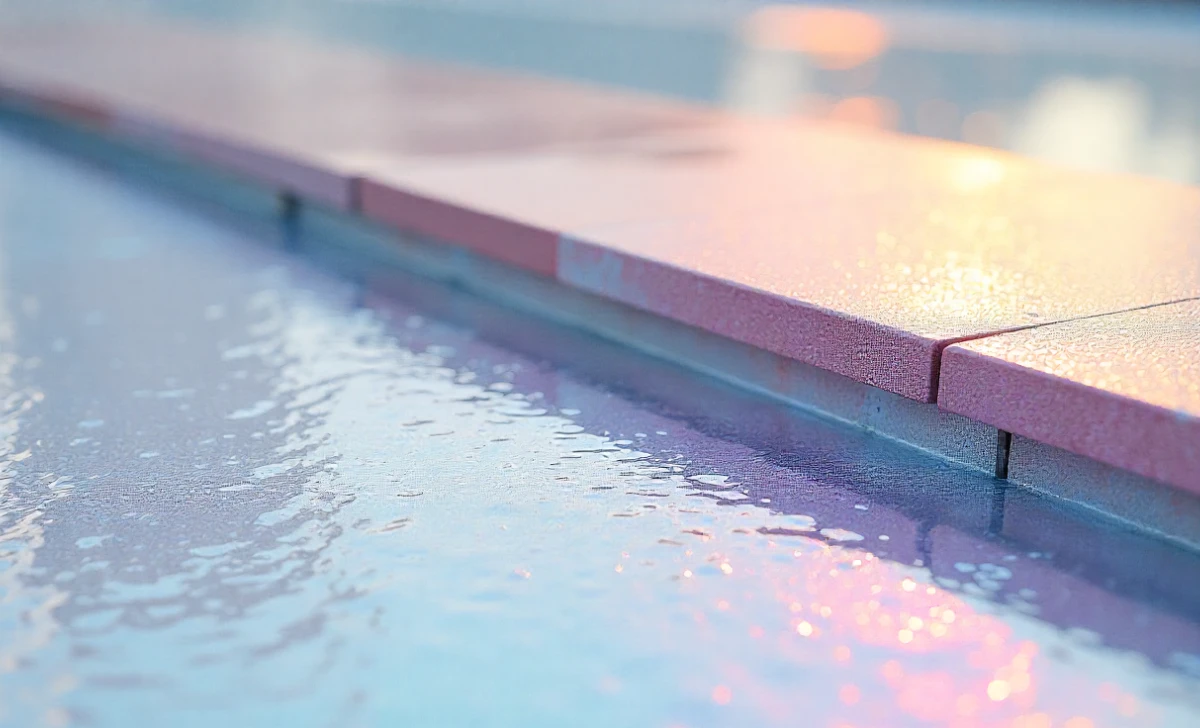
Roof coping covers the top of parapet walls on flat or low-slope roofing systems. These protective caps prevent water from running down into wall cavities, where it can cause serious structural damage.
Coping materials include metal, stone, concrete, and specialized waterproof composites designed for specific climate conditions. The shape directs water away from the wall surface, preventing erosion and moisture penetration that weakens building foundations. For maximum protection, integrate your coping with counterflashing that tucks into wall joints, directing water away from vulnerable seams.
Properly installed coping extends the life of both your roof and exterior walls significantly. It’s especially critical in areas with heavy rainfall or freeze-thaw cycles that can exploit small cracks. Regular inspection helps identify wear before it becomes costly water damage inside your walls.
When pros install coping, they angle every piece so water flows away from your walls—not into them—preventing the slow, expensive damage hidden leaks cause. Coping joints must be sealed correctly to prevent water infiltration at connection points between individual pieces.
Why the Confusion Exists
Voice search, autocorrect,t, and similar-sounding terms like ‘roofing cap’ or ‘roof cop’ often trigger this mix-up. Here’s how to cut through the noise and find the right solution for your roof type.
The roofing industry uses specific terminology that’s developed over decades of professional practice. Understanding correct terms helps you find accurate information and communicate effectively with contractors about your project needs.
Search engines sometimes return results for similar-sounding terms, which can perpetuate confusion about what products actually exist. Always verify terminology with professional roofing resources or experienced contractors before making purchasing decisions.
How to Identify What Your Roof Actually Needs
Start by examining your roof’s design and identifying specific areas where water protection is critical. Peaked roofs need ridge caps at the highest points where roof planes meet.
Flat roofs with raised walls around the perimeter require coping to protect those wall tops. Look for existing caps or coping that show signs of wear, cracking, or separation from the roof surface.
Water stains on interior ceilings near roof edges often indicate failed ridge caps or coping. These areas need immediate attention to prevent further damage to your home’s structure and interior finishes.
Professional roof inspections can identify specific protection needs and recommend appropriate materials for your climate. Experienced roofers know which products perform best in your local weather conditions and building requirements.
Common Ridge Cap and Coping Problems
Ridge caps can lift or crack during high winds, especially if they weren’t properly fastened initially. Missing or damaged caps allow water and debris to enter your roof system through vulnerable peak areas.
Coping problems include cracking, separation from walls, and improper drainage slopes that allow water pooling. These issues develop gradually but can cause significant damage once water penetrates wall cavities.
Thermal expansion and contraction cause both ridge caps and coping to shift over time. A quick twice-yearly glance at your ridge caps and coping spots,s small shifts before they turn into leaks—saving you from emergency repair calls.
Poor initial installation often becomes apparent years later when weather testing reveals inadequate fastening or sealing. A professional evaluation can determine whether repairs or complete replacement will provide the most cost-effective solution.
Professional Installation vs. DIY Approaches
Ridge cap and coping installation requires specific tools, safety equipment, and knowledge of proper fastening techniques. Professional roofers have experience with different materials and understand local building codes that apply to your project.
DIY installation is possible for experienced homeowners with proper safety equipment and roofing knowledge. However, mistakes can lead to expensive water damage that costs more than professional installation.
Safety considerations include working at height, handling tools on sloped surfaces, and weather conditions during installation. Professional roofers have insurance coverage and safety training that protects both workers and property owners.
Quality ridge cap systems tested to ASTM D3161 standards withstand winds up to 110 mph—critical for storm-prone regions. Quality materials and proper installation techniques ensure long-term performance that protects your home investment. Professional work typically includes warranties that cover both materials and workmanship for specified periods.
Choosing the Right Materials for Your Climate
Hot, sunny climates require UV-resistant materials that won’t crack or fade under intense sunlight. Metal options often perform well in these conditions while providing excellent durability and weather resistance.
Cold climates with freeze-thaw cycles need materials that can expand and contract without cracking. In freeze-thaw zones, pair your ridge caps with Ice and Water Shield underlayment at the peak to block ice dam backup. Proper installation techniques account for thermal movement to prevent separation at joints and fastening points.
Coastal areas require corrosion-resistant materials that can withstand salt air and high winds. Stainless steel or specially coated metals provide longevity in these challenging environmental conditions.
Your local building codes may specify minimum requirements for materials and installation methods. Professional contractors understand these requirements and can recommend products that meet or exceed local standards for your specific application.
Cost Considerations and Long-Term Value
Ridge cap replacement typically costs less than major roof repairs caused by water infiltration. Investing in quality materials and professional installation provides significant long-term value through preventing damage and extending roof life.
Coping installation costs vary based on material choice and wall length, but represent essential protection. Delaying necessary coping work often leads to expensive wall repairs and interior water damage that far exceeds initial installation costs.
Material costs range from economical asphalt options to premium metal systems with extended warranties. Consider your long-term ownership plans when choosing between basic and high-performance materials for your specific application.
Professional installation costs include labor, materials, and often warranty coverage that protects your investment. Compare total costs, including potential future repairs, when evaluating DIY versus professional installation options for your project.
Frequently Asked Questions
Is ‘roofing cop’ a real roofing term?
No—homeowners searching this term typically need ridge caps (for peaked roofs) or roof coping (for flat roof parapet walls).
Conclusion
Now you know that “roofing cop” isn’t a real roofing term—you’re looking for ridge caps or roof coping. These legitimate components provide essential protection that keeps your home dry and structurally sound for years.
Don’t let terminology confusion delay critical roof protection. Get a free, no-obligation ridge cap or coping assessment from a NRCA-certified contractor in your area—before the next storm hits.
Whether you need ridge caps for peaked roofs or coping for flat roof walls, a professional evaluation ensures you get the right solution. Your roof shields everything you own—don’t leave its most vulnerable spots to guesswork. Quality materials and professional installation pay for themselves in peace of mind.
