

A warm-weather kitchen should feel open and breezy, but many layouts trap heat and make simple meal prep feel like a chore. I usually find that poor airflow and cramped walkways are the real culprits — not just the temperature outside. The good news is that small layout adjustments can dramatically change how air moves and how you move.
In this guide, I’ll share 12 practical summer kitchen layout ideas that improve ventilation, reduce congestion, and make the space feel lighter. Each one is grounded in real homes and simple upgrades you can start planning today.
1. Open Shelving Instead of Upper Cabinets
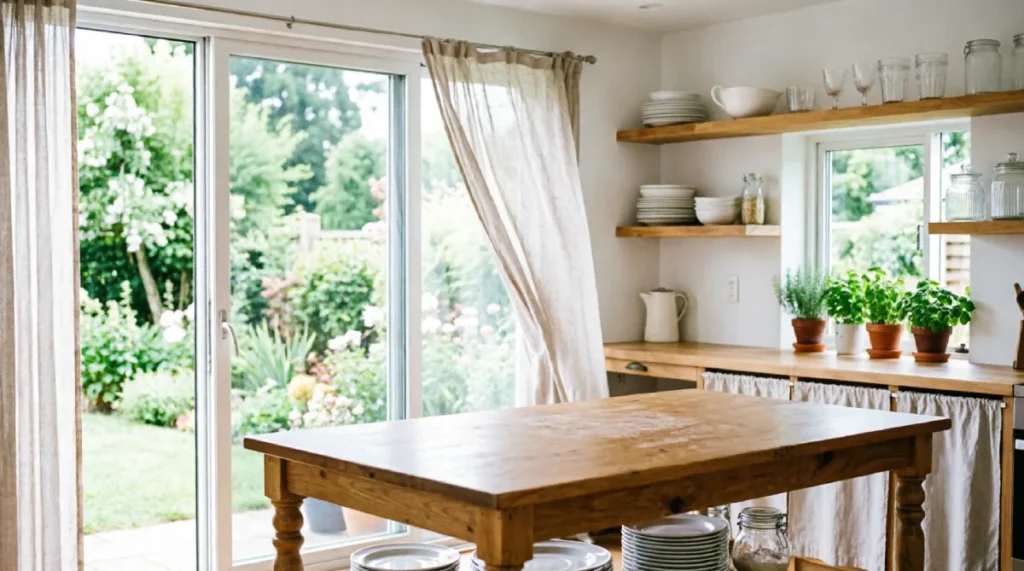
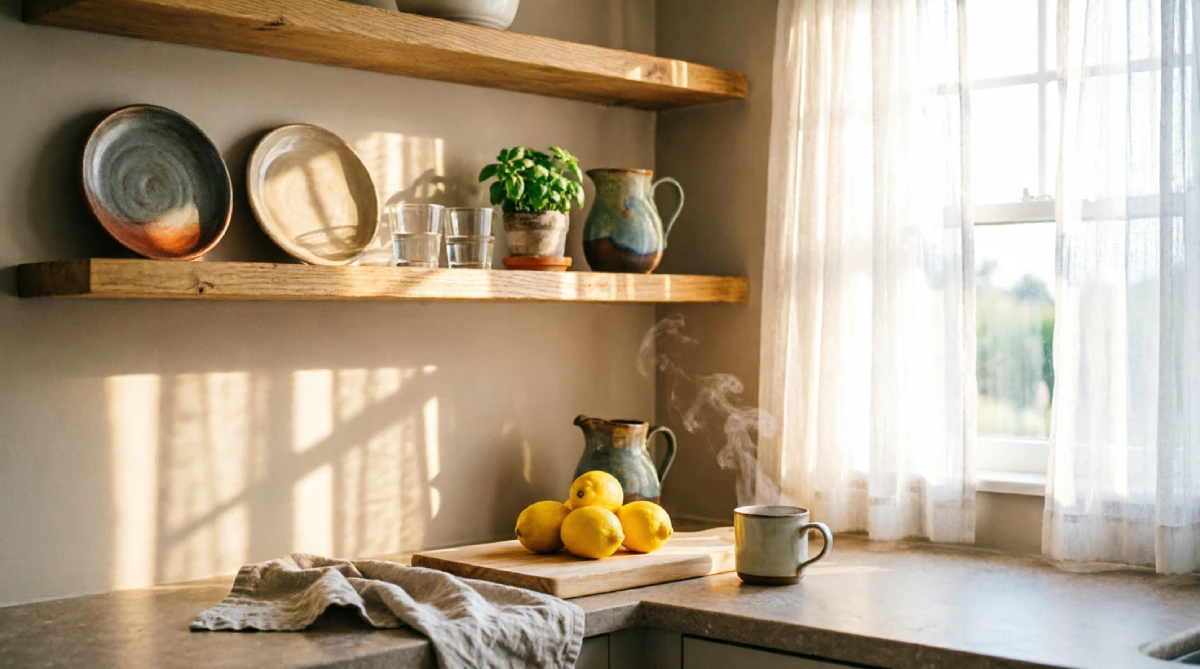
Removing a run of upper cabinets instantly frees up wall space, allowing warm air to rise and circulate instead of getting trapped behind solid doors. It works because open shelves reduce visual weight and eliminate the dead-air pockets that form between cabinet tops and the ceiling.
In many homes, I’ve seen a kitchen with even one wall of closed upper cabinets feel noticeably stuffier than the same room with open shelving near a window. Try taking down the cabinets on the brightest wall and using sturdy open shelves for everyday dishes — this also encourages a lighter, cleaner look.
2. Island With Open Legs and a Seating Overhang
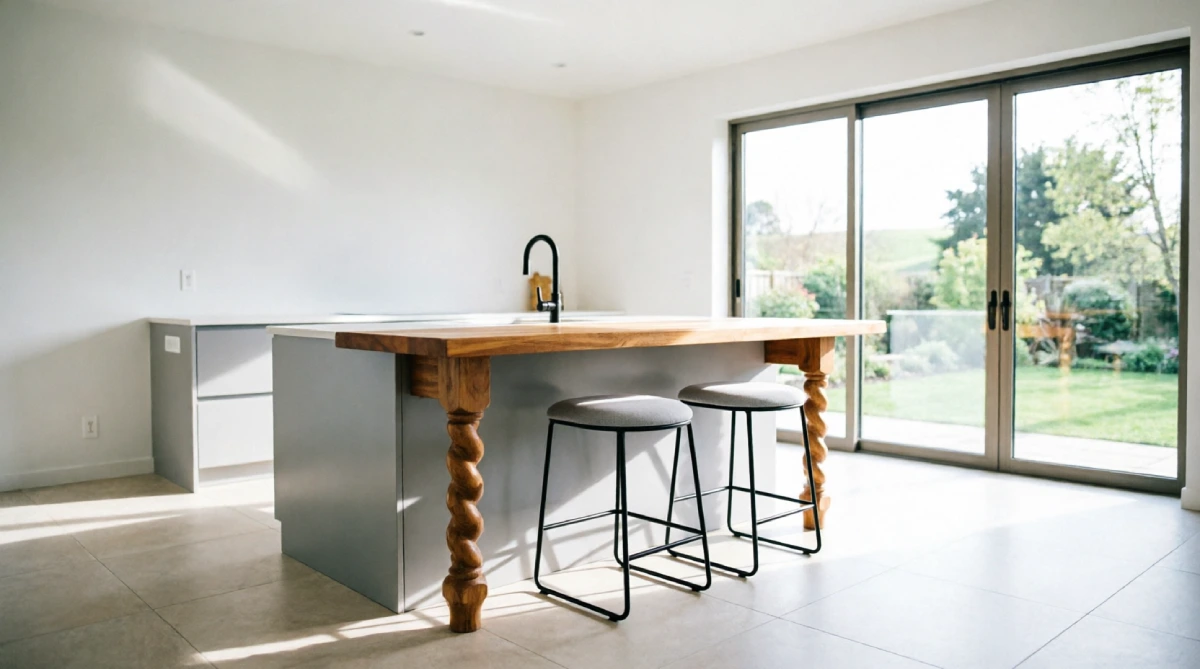
A kitchen island that sits on visible legs instead of a solid base keeps sightlines low and airflow open under the counter, while an overhang for stools creates a natural traffic buffer. This works because warm air can flow beneath the island rather than hitting a solid block, and the seating area steers people away from the main cooking zone.
A common improvement I’ve noticed is that even a narrow island with open legs makes the whole kitchen feel less chopped up on a hot day. Consider replacing a bulky solid-based island with a lighter design or retrofitting legs onto an existing one.
3. Sliding or Folding Doors to the Outdoors
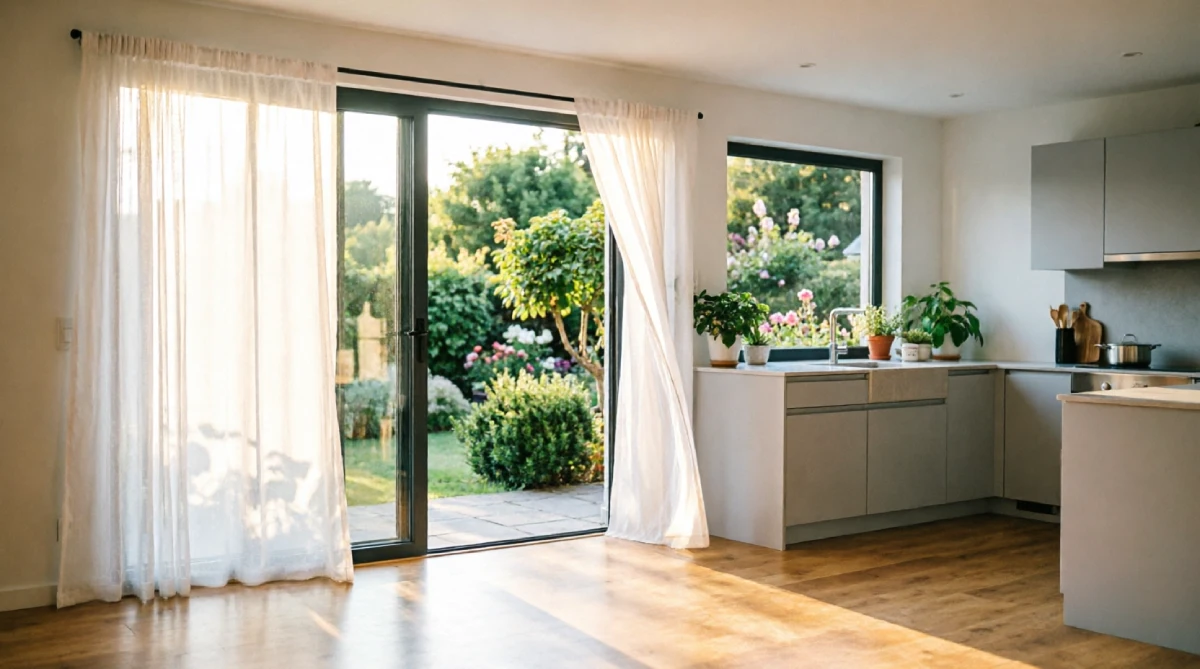
Wide sliding or bi-fold doors connect the kitchen directly to a patio or deck, transforming the room into an indoor-outdoor space with a powerful cross breeze. The benefit is immediate: once the doors are open, stale air rushes out and fresh outside air flows in, cooling the kitchen without a fan.
In many homes, a standard single door just doesn’t create enough exchange; only when the opening is wide does the room truly breathe. If a full-width opening isn’t possible, even a large sliding door on the kitchen’s exterior wall can make a surprising difference.
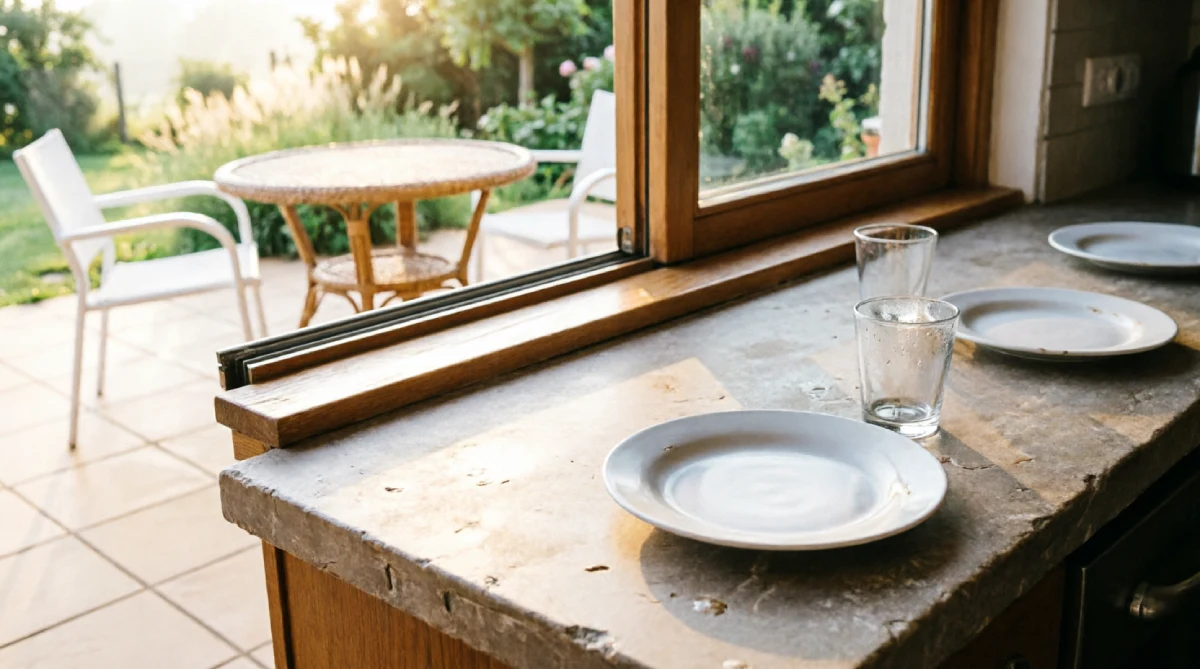
4. Pass-Through Window Between Kitchen and Patio
A large serving window above the counter lets you pass food outside while allowing heat and steam to escape directly — ideal for kitchens that face a backyard dining area. This layout detail works because it creates a stack effect: hot air rises and exits through the window while cooler ground-level air is drawn in from elsewhere.
I’ve seen older bungalows where a simple counter-level hatch turned an oppressive cook space into one that felt 10 degrees cooler. Install a wide casement or sliding window above a prep counter; when open, it doubles as a natural exhaust.
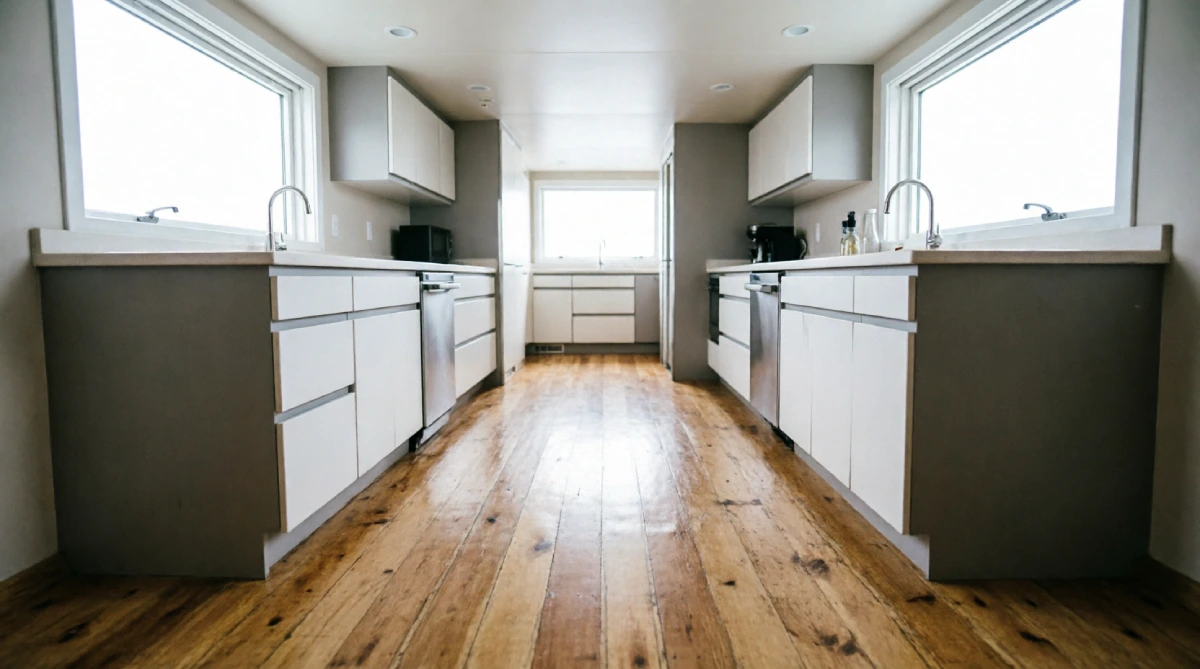
5. Wide Galley Layout With Clear Walkways
In a galley kitchen, keeping a generous aisle — at least 48 inches — between opposing counters prevents bottlenecks and lets air flow end to end without obstruction. It works because narrow corridors trap heat and force people to squeeze past each other, while a wider passageway creates a natural breeze channel when windows are open at both ends.
A common issue in older homes is a tight 36-inch galley that becomes a hot, congested tunnel. If you can’t widen the space, remove protruding handles, keep countertops clear, and align appliances so nothing juts into the walking path.
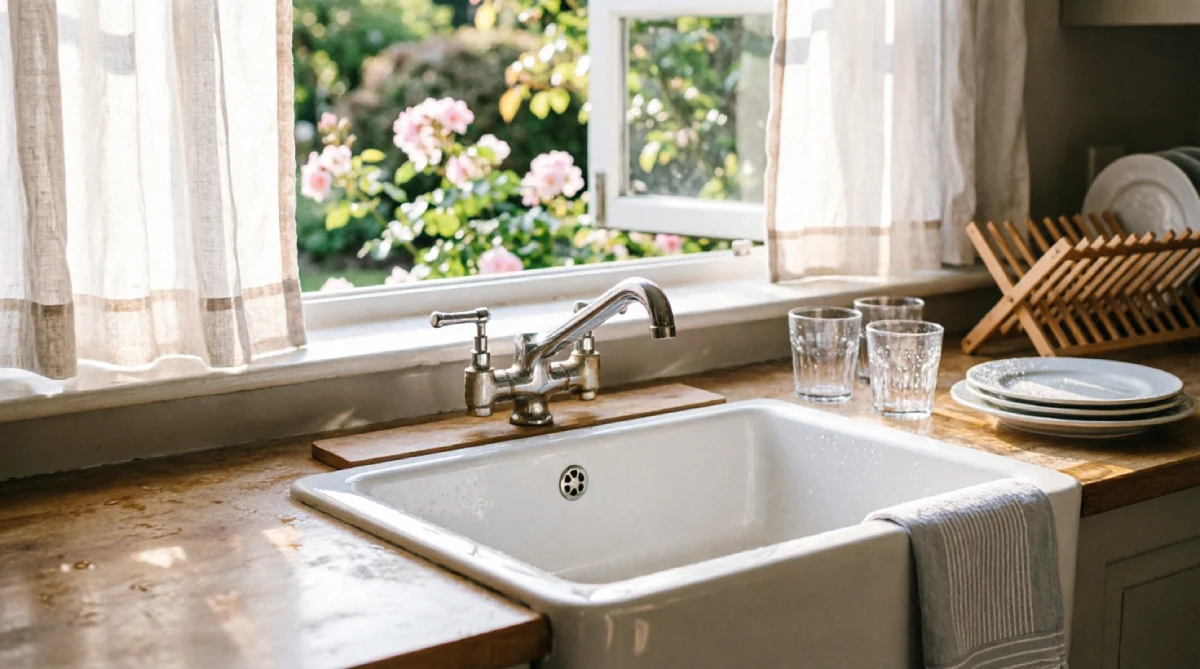
6. Sink Centered Under a Working Window
Placing the main sink directly below a large operable window lets you wash up while enjoying a breeze, and the open sash pulls moist air straight out of the kitchen. This old-fashioned layout remains effective because it captures cross ventilation right where steam and odors gather most.
In many homes I’ve visited, a sink stuck on an interior wall created a humid pocket that lingered all summer. Relocate the sink to the brightest exterior wall if possible, or at least install a window directly above it and open it wide during meal cleanup.
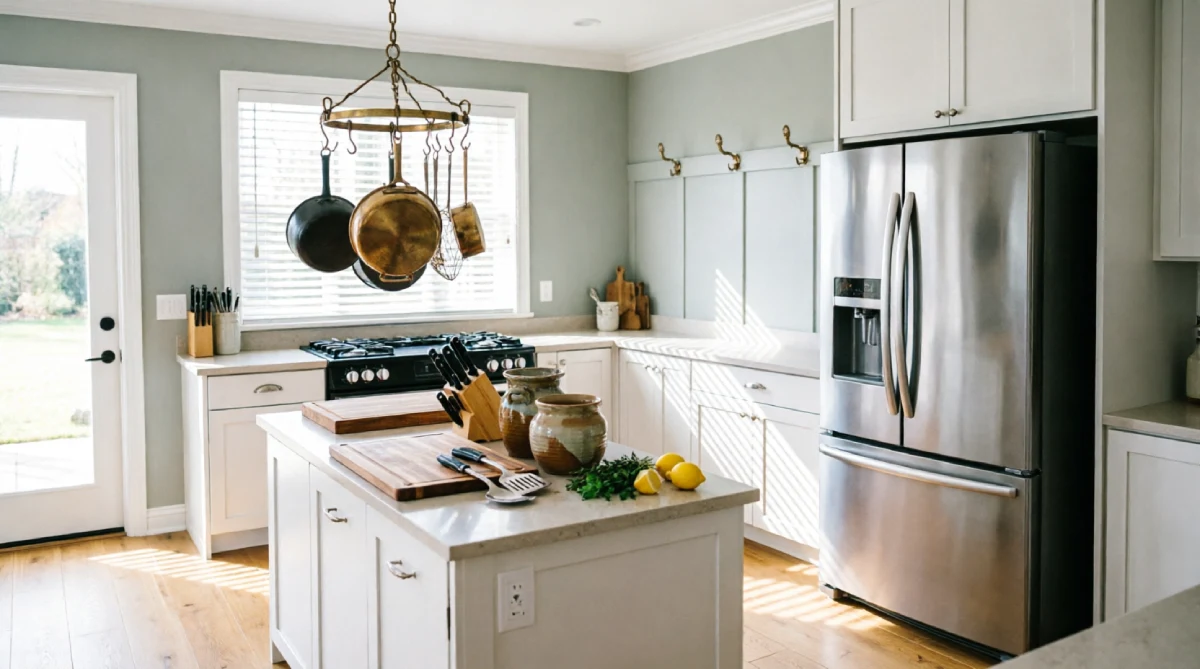
7. Strategic Appliance Placement Away From Walkways
Positioning the refrigerator at the entrance and the cooktop toward the back of the kitchen keeps cold-air escapes short and directs heat away from where people pass through. It makes sense: every time the fridge door opens, cool air spills out into the room — you want that near the source, not in the middle of the workspace.
A common misstep is placing the range right next to the main doorway, which forces the cook to block foot traffic constantly. Try to create a triangle where the fridge, sink, and stove are accessible but not aligned directly with major paths.
8. Ceiling Fan or Pendant Placement for Air Circulation
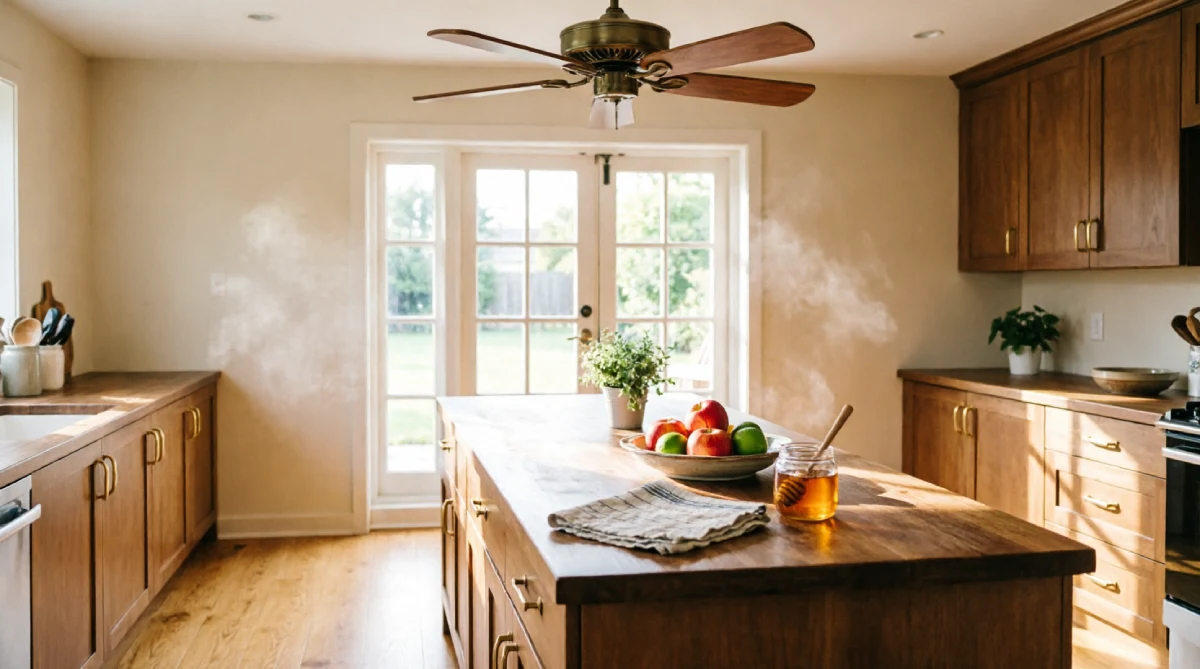
Mounting a ceiling fan directly above the main work zone — or using an open pendant rack — pushes warm air down or pulls it up, depending on blade direction, creating noticeable relief. In summer mode, the fan should rotate counterclockwise to push air downward, cooling the cook without disturbing flames.
In homes where a central light fixture dominates, swapping it for a fan with a slim profile often makes the kitchen feel several degrees fresher. If a ceiling fan isn’t possible, a well-placed wall-mounted circulating fan near a window can mimic a cross breeze.
9. Decluttered Countertops and Clear Landing Zones
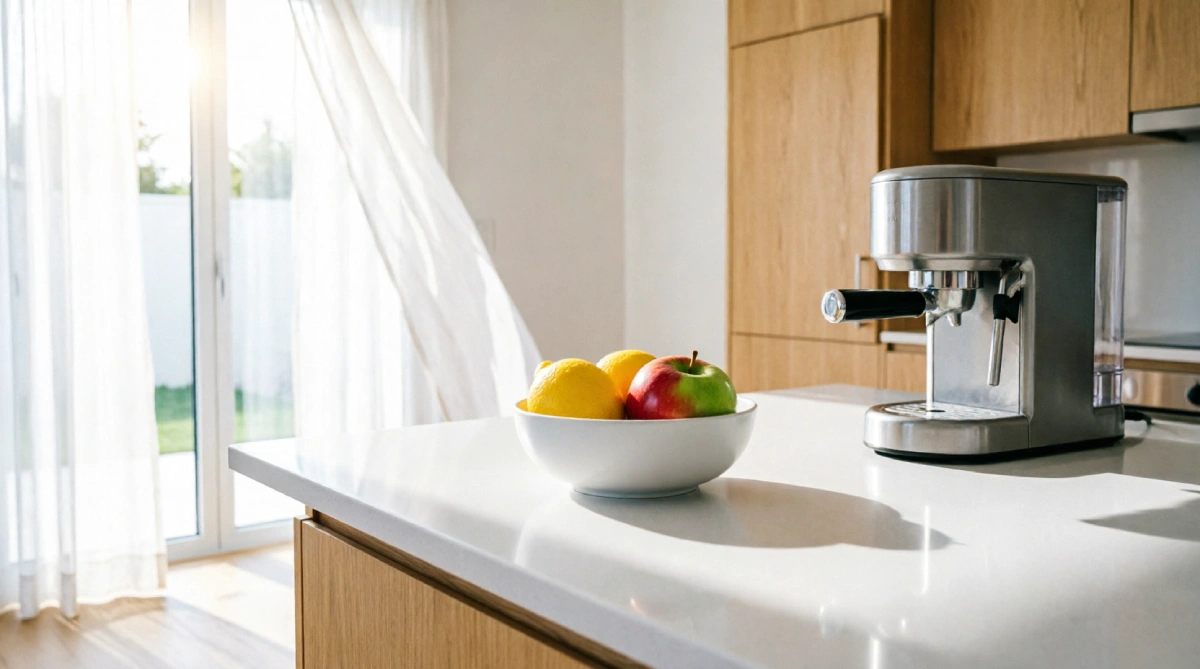
Keeping surfaces mostly clear removes visual noise and gives warm air fewer obstacles to cling to, making the room feel lighter and easier to move through. This works because piles of small appliances, mail, and utensils create pockets of still air and narrow the usable work area.
In many kitchens, even after a deep clean, the countertops quickly become cluttered again, undoing any airflow benefit. Assign dedicated landing zones near the fridge and oven, and store everything else in drawers or lower cabinets — you’ll notice the difference immediately.
10. L-Shaped Layout With Open Access to Dining
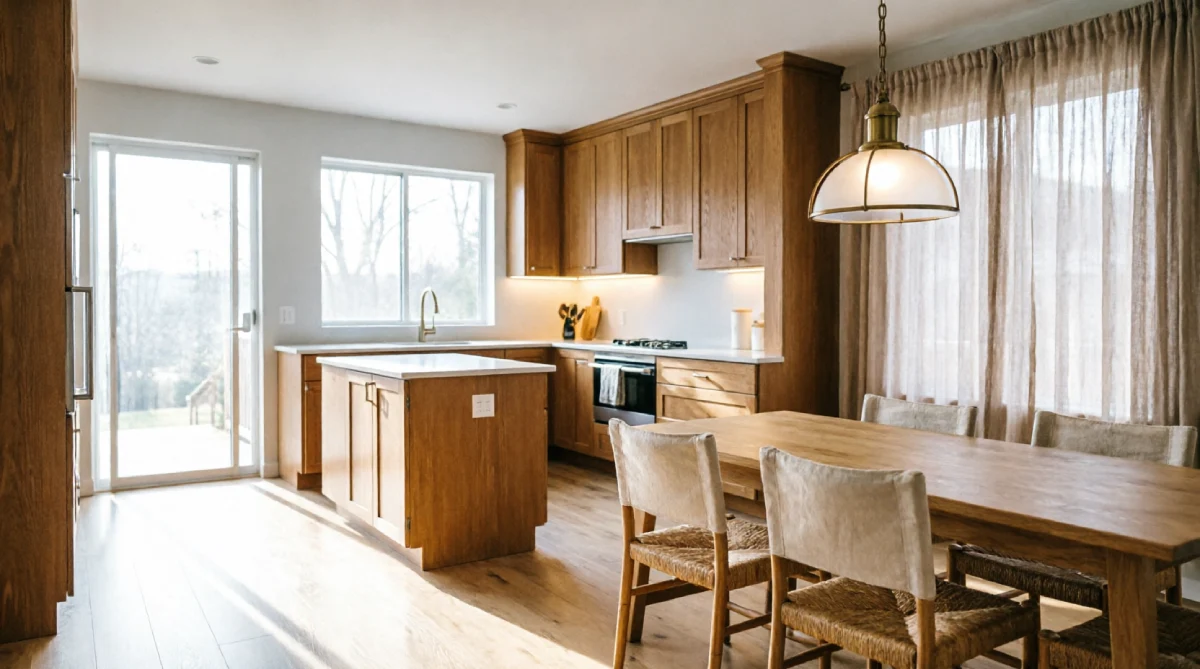
An L-shaped kitchen that opens directly into a dining area or living space removes a wall, creating a loop for both air and foot traffic to circulate freely. Without a tight doorway separating the zones, breezes from windows in either room can merge, and people can enter and exit without bumping into each other.
A common pain point is a closed kitchen where the cook feels isolated and overheated; opening one side transforms it. If load-bearing walls are an issue, a wide casing opening or pass-through bar can achieve much of the same effect.
11. Ventilated Prep Zone Near a Window
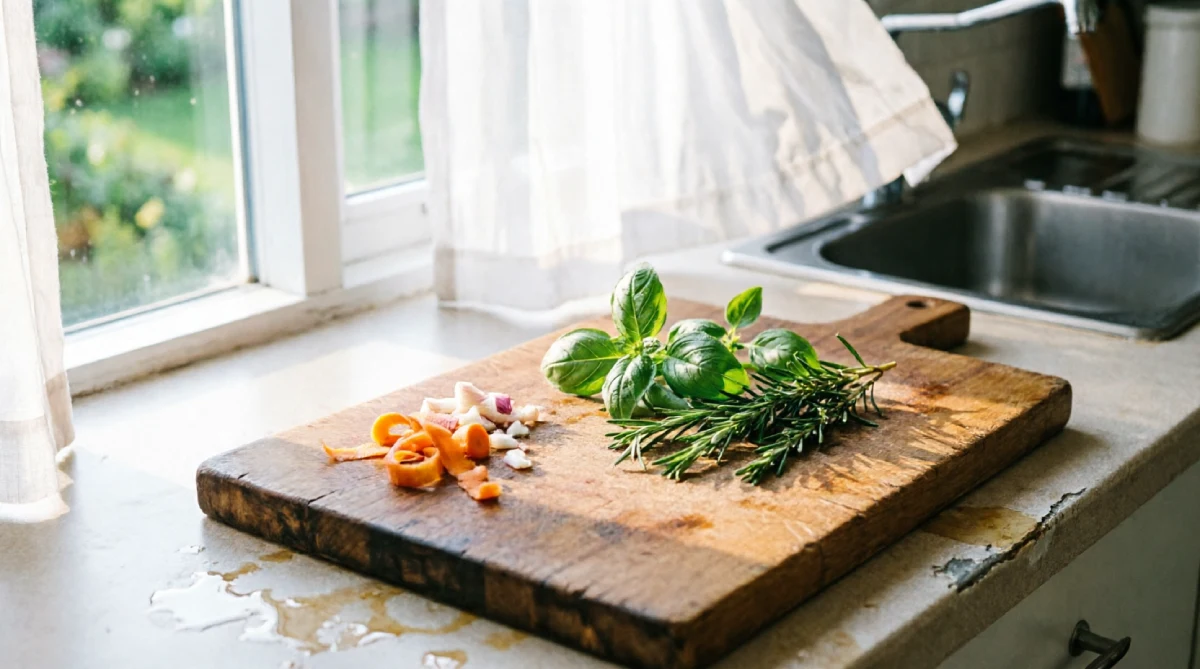
Setting up a primary prep station — a chopping block or butcher’s block — directly under or beside an open window captures incoming fresh air while you chop vegetables. This small change keeps the cook cooler because the main work surface sits in the path of moving air rather than against an interior wall.
I’ve seen compact kitchens where simply shifting the chopping board to a counter by a window made summer meal prep noticeably less sweaty. If counter space is limited, a rolling cart placed by an open door or window serves the same purpose without a remodel.
12. Outdoor Cooking Zone to Shift Heat Outside
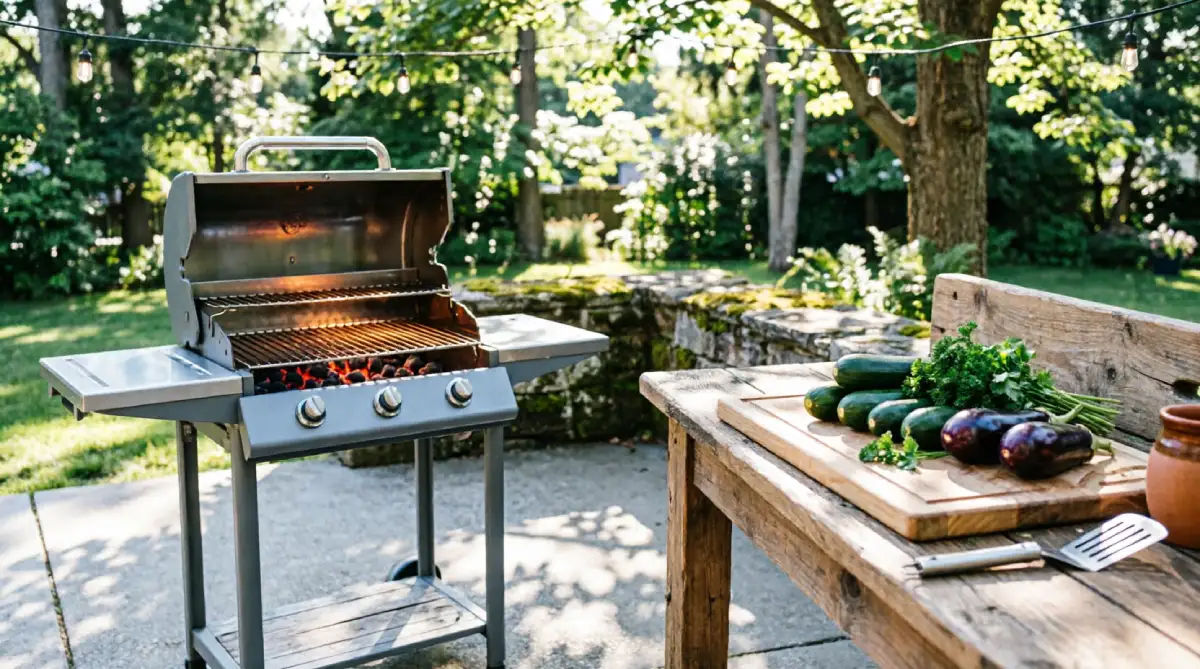
Adding even a modest outdoor grill station or a simple burner on a side patio removes the biggest heat sources — the oven and stovetop — from the indoor kitchen on hot days. The benefit is twofold: less residual heat builds up indoors, and the indoor layout stays clean and uncongested while entertaining.
In many suburban homes, a well-placed barbecue just steps from the kitchen door effectively extends the workspace and cuts down on air-conditioning use. A durable cart with a portable induction burner or a built-in grill counter can make summer cooking feel entirely different.
Practical Tips
- Open windows on opposite walls for a true cross breeze; even a small opening helps.
- Keep walkways at least 42–48 inches wide so people can pass without stopping.
- Use light-colored, matte countertops that reflect heat rather than absorb it.
- Place a small portable fan on the floor near a doorway to push cooler air in from adjacent rooms.
- Remove cabinet doors seasonally on a few upper cabinets to create temporary open shelving.
- Avoid deep upper cabinets above the stove — they trap steam and block upward airflow.
Common Mistakes to Avoid
- Blocking windows with tall furniture or heavy drapes that defeat natural ventilation.
- Installing a range directly in front of a window makes it hard to open the sash safely while cooking.
- Using dark, solid-backed bar stools that visually close off the seating side and restrict movement.
- Overloading countertops with seldom-used gadgets that create dead-air zones.
- Forgetting to adjust the ceiling fan direction for summer — blades should spin counterclockwise to push air down.
Comparison
| Feature | Best Option | Why It Works | Approx. Cost |
|---|---|---|---|
| Upper storage | Open shelving on at least one wall | No trapped heat, better airflow | Low ($50–200) |
| Island base | Legs instead of solid sides | Air circulates beneath | Moderate ($200–600 for retrofit) |
| Outdoor access | Sliding or bi-fold doors | Maximum cross ventilation | High ($2,000+) |
| Sink position | Under an operable window | Direct moisture and heat removal | Moderate (plumbing relocation) |
FAQs
What is the best way to improve airflow without remodeling?
Swap solid upper cabinet doors for open shelving temporarily, clear countertops, and use a floor fan directed toward an open window to create a draft.
Can I make a galley kitchen feel breezier?
Yes. Widen the walkway if possible, keep both ends clear of tall furniture, and open doors or windows at each end to encourage airflow through the length.
Is it expensive to add a pass-through window?
It can be. If a wall is non-load-bearing and plumbing isn’t involved, cutting a simple opening and installing a window can cost a few hundred dollars, plus finishing.
Does an open-plan layout always improve airflow?
Generally, yes, because fewer walls block air movement. But you still need operable windows or doors for fresh air; an open plan alone won’t create a breeze.
How wide should kitchen walkways be for easy movement in summer?
I recommend at least 42 inches between counters. For a kitchen with multiple cooks, aim for 48 inches so no one gets trapped while the oven radiates heat.
Conclusion
A summer kitchen that breathes well and moves well isn’t just more comfortable — it can change how you feel about cooking during the hottest months. From opening up walls with shelves and pass-throughs to simply shifting your prep spot toward a window, these layout ideas don’t demand a full gut renovation to make a real difference. Even tackling one or two of them will improve airflow, reduce congestion, and help you enjoy the kitchen more. Start with the change that fits your space and budget best, and build from there.
