

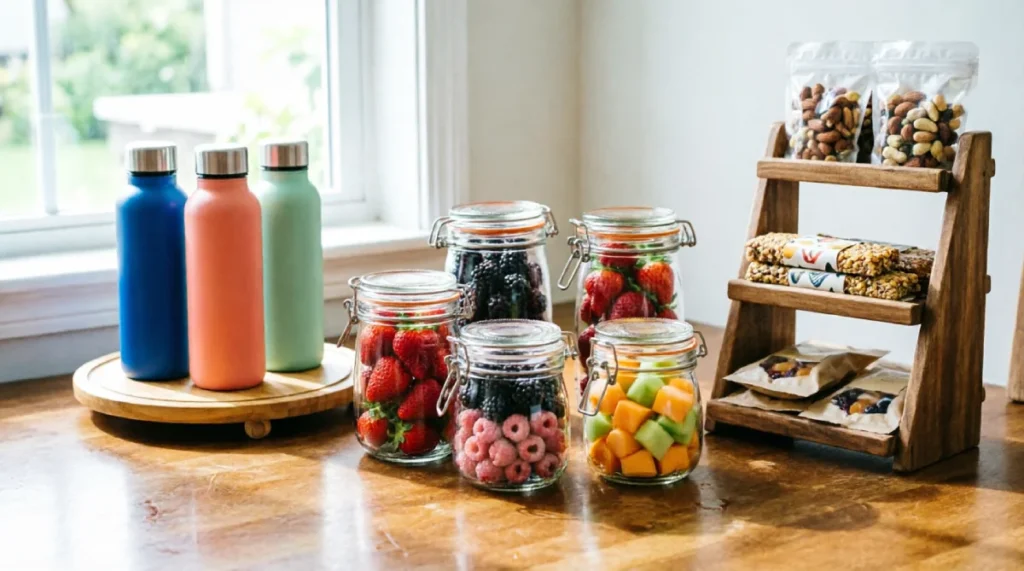
Summer changes how we use the kitchen. Suddenly, the counters are buried under sunscreen, pool goggles, water bottles, and piles of fresh produce that need immediate attention. The lighter schedule is great, but the constant traffic creates a new kind of clutter. I’ve found that without a seasonal reset, the room that should be the heart of the home becomes a source of quiet stress. This isn’t about a picture-perfect kitchen. It’s about creating a system that handles the extra summer load gracefully.
I’ll walk you through 13 specific, manageable shifts to keep your space clear, cool, and ready for anything, from a quick breakfast to a last-minute barbecue.
1. The Hydration Hub
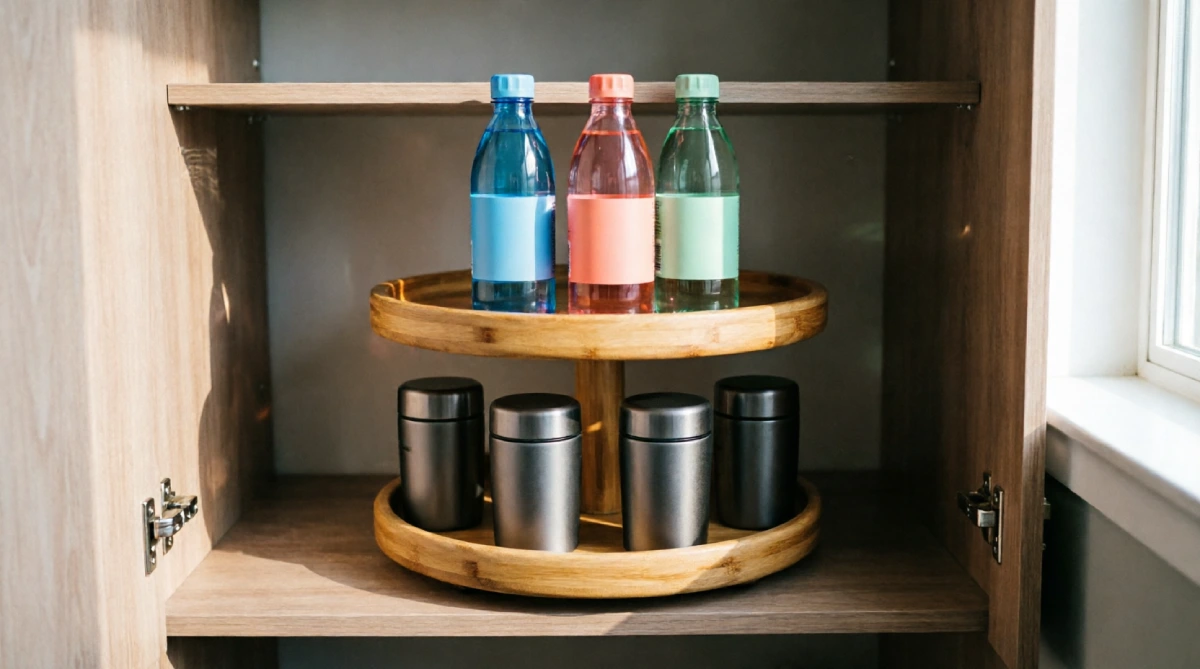
A single, well-placed station stops the landslide of mismatched water bottles from taking over every cabinet. It anchors the daily grab-and-go routine and keeps the family from buying single-use plastic out of convenience.
I recommend clearing a lower shelf or a sturdy lazy Susan in a corner cabinet near the fridge. Dedicate this spot only to clean bottles, lids, and straws. In many homes, I’ve seen this one change eliminate the morning scramble. The key is making it just as easy to grab a reusable bottle as a disposable cup.
2. The One-Touch Produce Rule
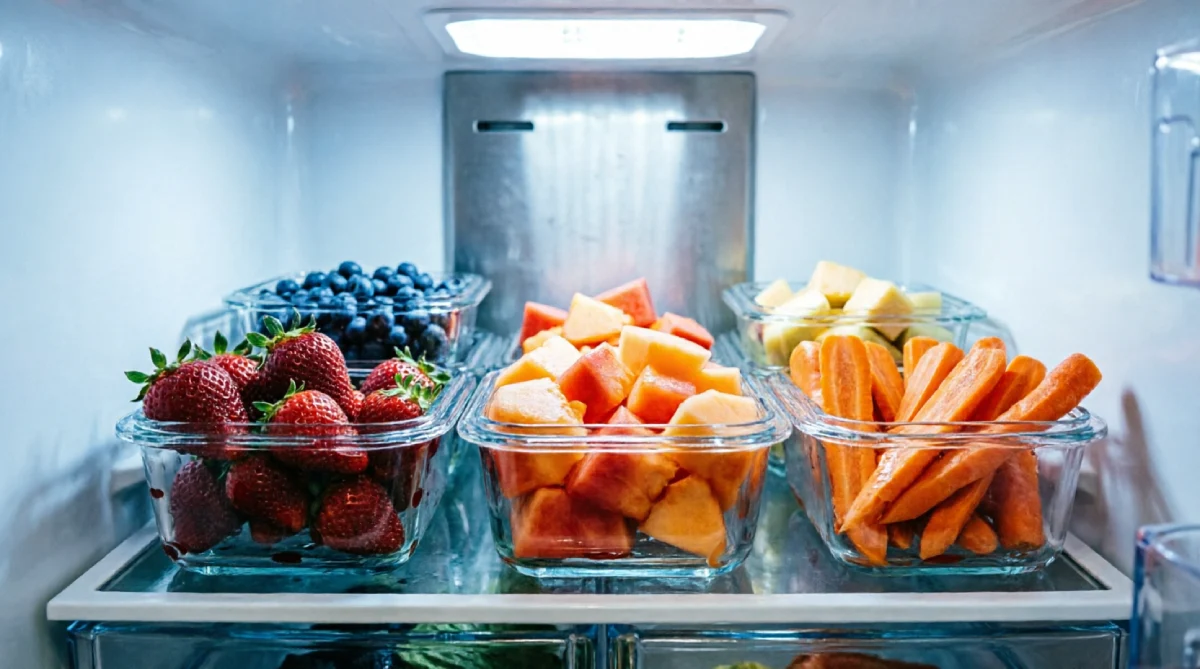
Summer produce is beautiful, but it spoils fast when piled in a bowl or stuffed in a crisper drawer and forgotten. The goal is to process it once. I usually spend 20 minutes after a farmer’s market run washing berries in a vinegar bath, trimming carrots, or chopping melon into clear containers. This works because you buy yourself days of extra freshness and immediate access to snacks.
A common issue is a fridge full of rotting, expensive vegetables. Seeing prepped food front and center means it actually gets eaten instead of becoming a science experiment in the back.
3. The Grill-Side Staging Drawer
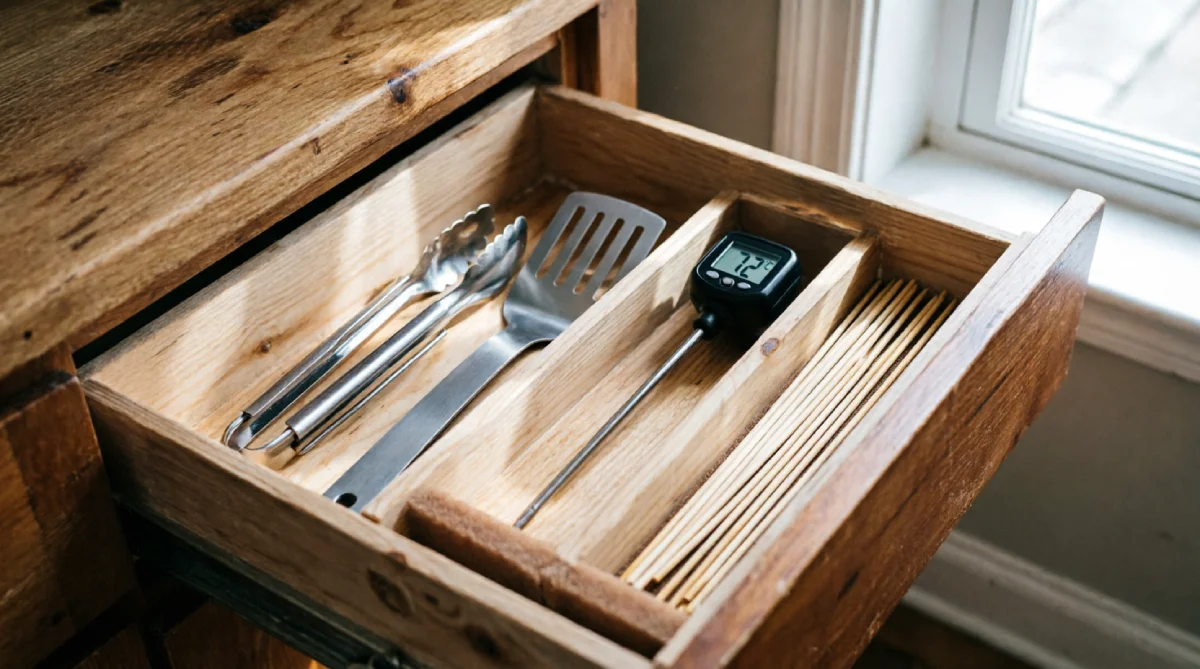
Rummaging through a cluttered utensil drawer with raw-meat hands is a common summer dinner frustration. I prefer creating a single drawer or a portable caddy stationed near the door to the deck. Keep it stocked with long-handled tongs, a sturdy spatula, a meat thermometer, a grill brush, and extra skewers. It works because it consolidates a specific task into one zone, cutting prep time in half.
In many homes, people don’t grill as often simply because the setup feels tedious. Removing that friction makes spontaneous outdoor cooking far more likely.
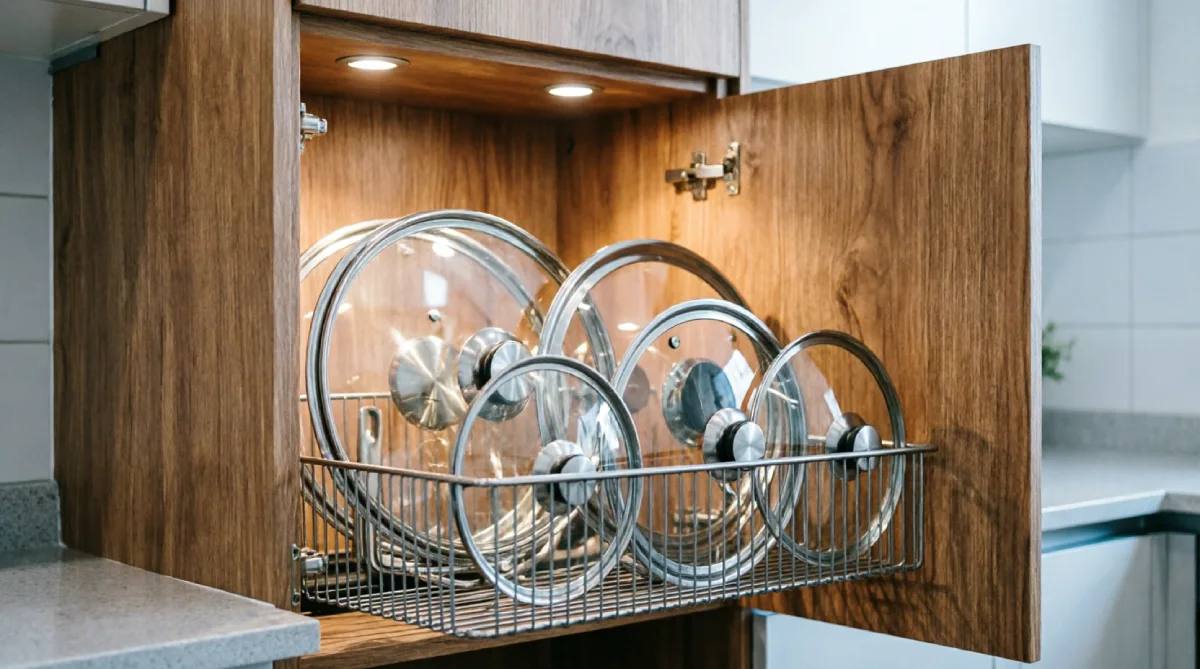
4. The Vertical Pan Lid Rack
Stacking lids in a deep cabinet guarantees an avalanche every time you need a specific size. A vertical organizer turns that chaotic pile into a simple filing system. I’ve mounted a simple wire rack on the inside of a cabinet door to hold pot lids, cooling racks, and even flat sheet pans upright. This works because it maximizes unused vertical air space.
The common frustration of a crashing lid pile during a dinner rush is something you don’t have to live with. It’s a small hardware fix that instantly makes a lower cabinet feel twice as big.
5. The Iced Coffee & Tea Bar
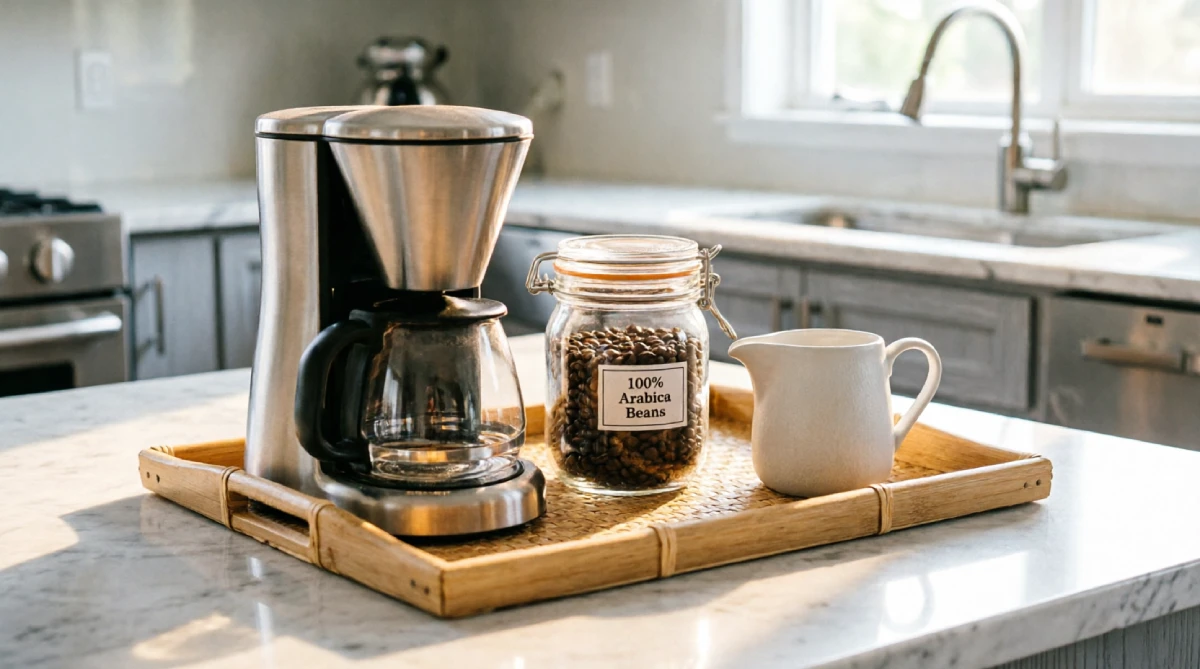
Homemade iced drinks can easily create sticky counter clutter with syrup bottles, spoons, and coffee grounds. Dedicating a small serving tray to these essentials keeps the mess contained. I usually place the coffee maker, a jar of sugar, a tin of loose tea, and a small spoon on a water-resistant tray. It works because the tray defines a clear boundary for the activity.
I’ve seen how this prevents the slow migration of coffee supplies across the entire counter. Cleanup is simply wiping down one tray instead of the whole back corner.
6. The Color-Coded Beach Basket Station
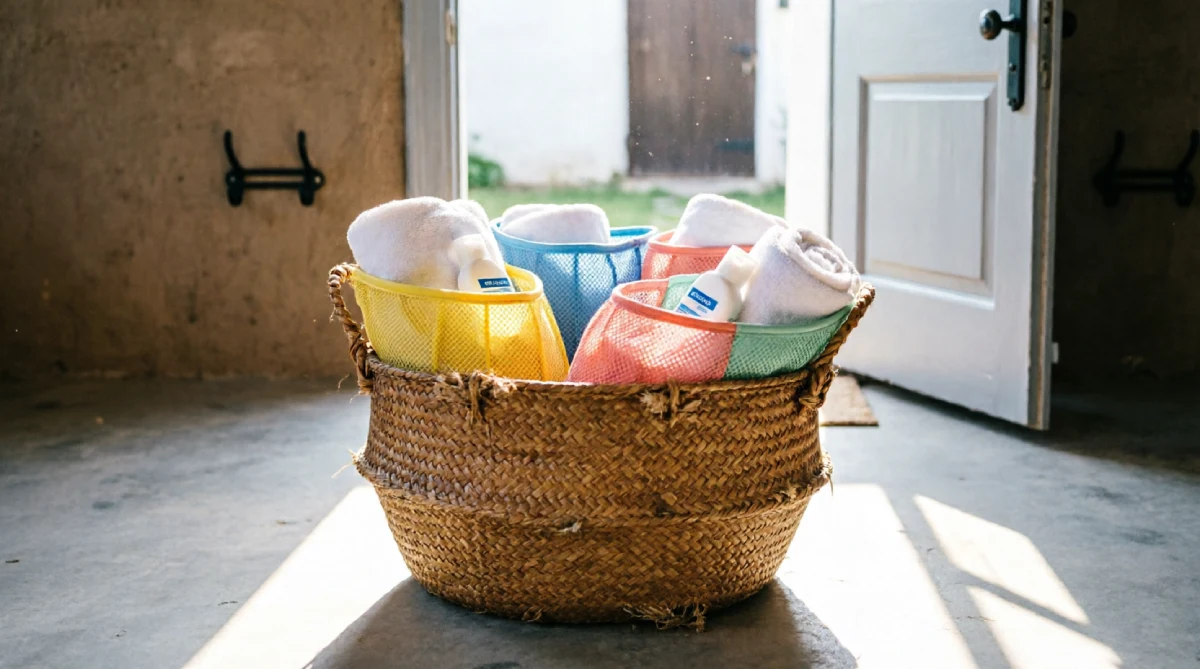
Instead of stashing beach and pool gear in a far-off closet, a designated basket right by the back or garage door keeps sand and chaos from entering the kitchen. I assign each family member a small mesh bag in a different color. Towels, swim goggles, and sunscreen live in their bags, inside a larger basket.
This system works because wet items can dry without cluttering counters, and everyone knows where their stuff is. The classic morning panic of “where are my goggles?” disappears, reducing the visual clutter of last-minute searches.
7. The Riser-Powered Snack Cabinet
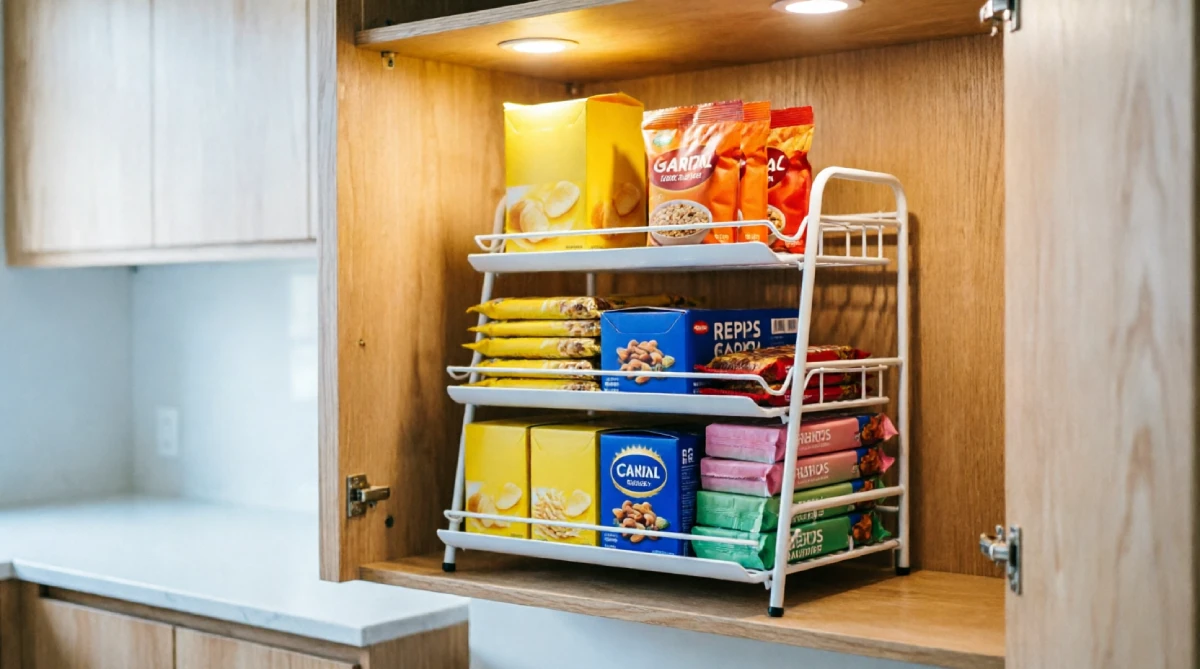
Deep cabinets swallow small items. A tiered shelf riser turns a single flat plane into a stadium-seating view of granola bars, fruit pouches, and cracker boxes. I recommend this specifically for the snack cabinet to help kids see all their options without dragging everything to the floor. It works because the vertical display prevents items from getting lost in the deep, dark back of the shelf.
In many homes, this single change reduces the “I can’t find it” chatter. You can instantly see what you’re running low on before a grocery trip.
8. The Under-Sink Summer Switch
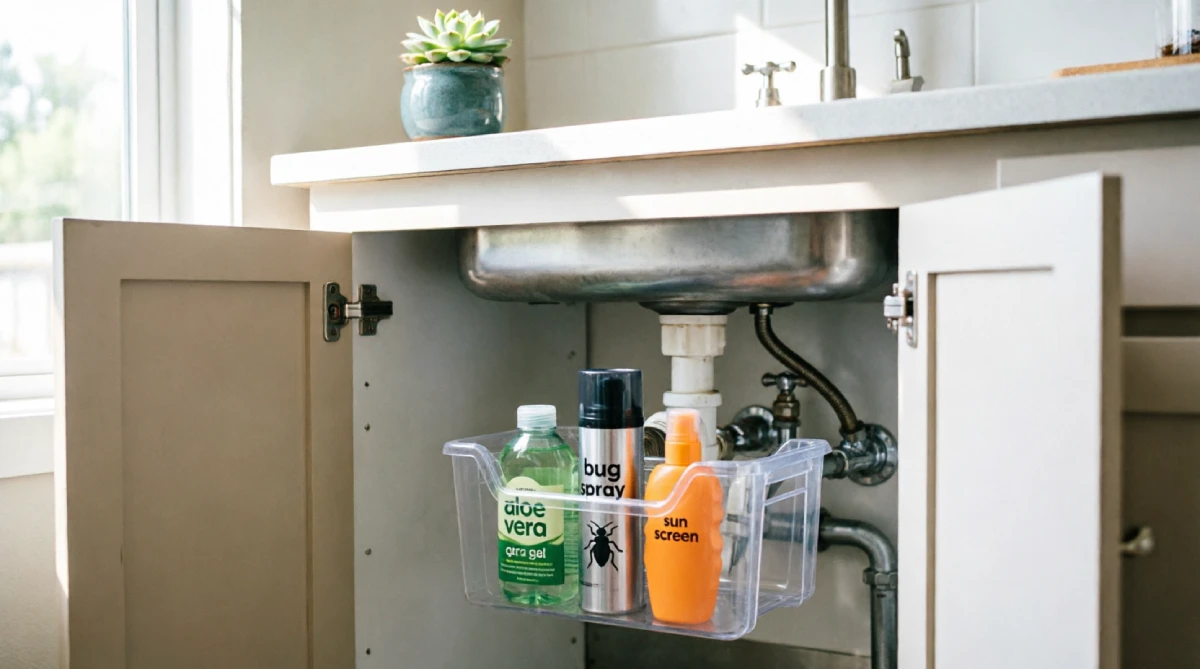
Summer brings extra cleaning agents: chlorine remover for swimsuits, bug spray, and after-sun lotion. I swap out the heavy winter cleaning stock for these seasonal essentials in an easy-to-reach caddy under the sink. A clear plastic bin with a handle works perfectly. This works because it groups like items for quick outdoor application before the kids run into the yard.
The common trouble is a leaky bug spray bottle taking over a drawer. By containing it in a wipeable bin, you protect the cabinet floor and keep the hazard out of food-prep areas.
9. The Expandable Pot Lid Pantry Hack
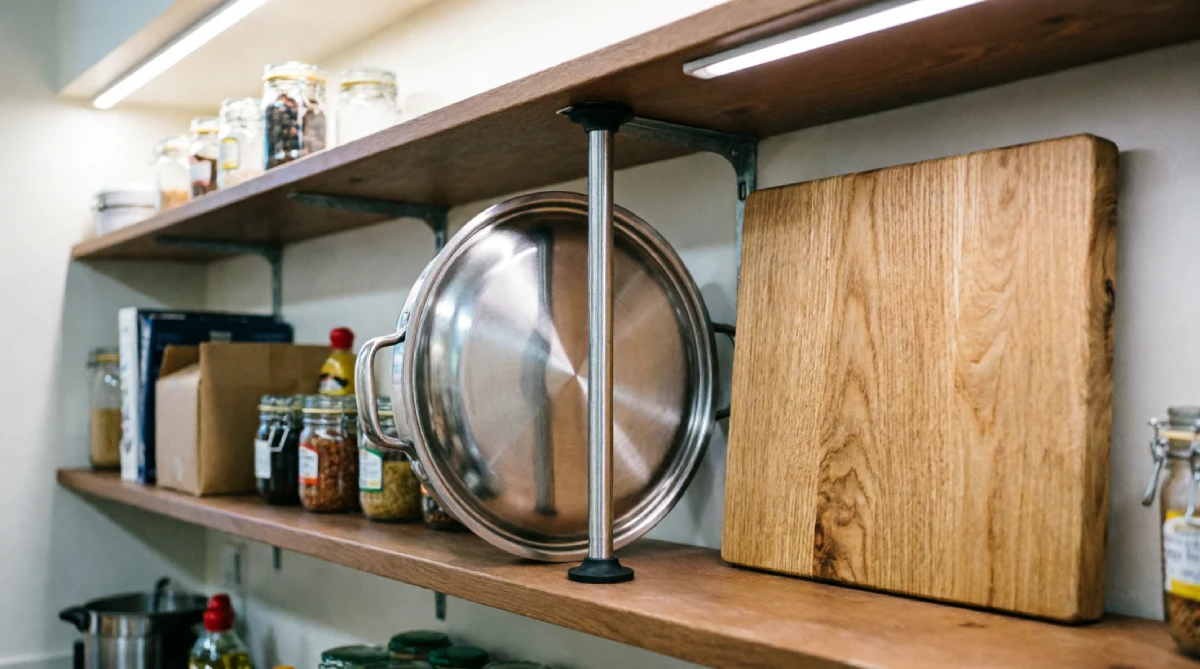
Summer cooking often uses oversized stockpots for corn boils and seafood steamers, leaving bulky lids with no clear home. Installing a simple tension rod between two pantry shelves creates instant dividers for these unwieldy items. I’ve seen this used to neatly file away cutting boards and large lids vertically.
It works because it customizes the shelf spacing without any permanent drilling or damage. Instead of a leaning stack that falls over every time you reach past it, each lid stands up straight and slides out individually, saving sanity and space.
10. The Condiment Turntable
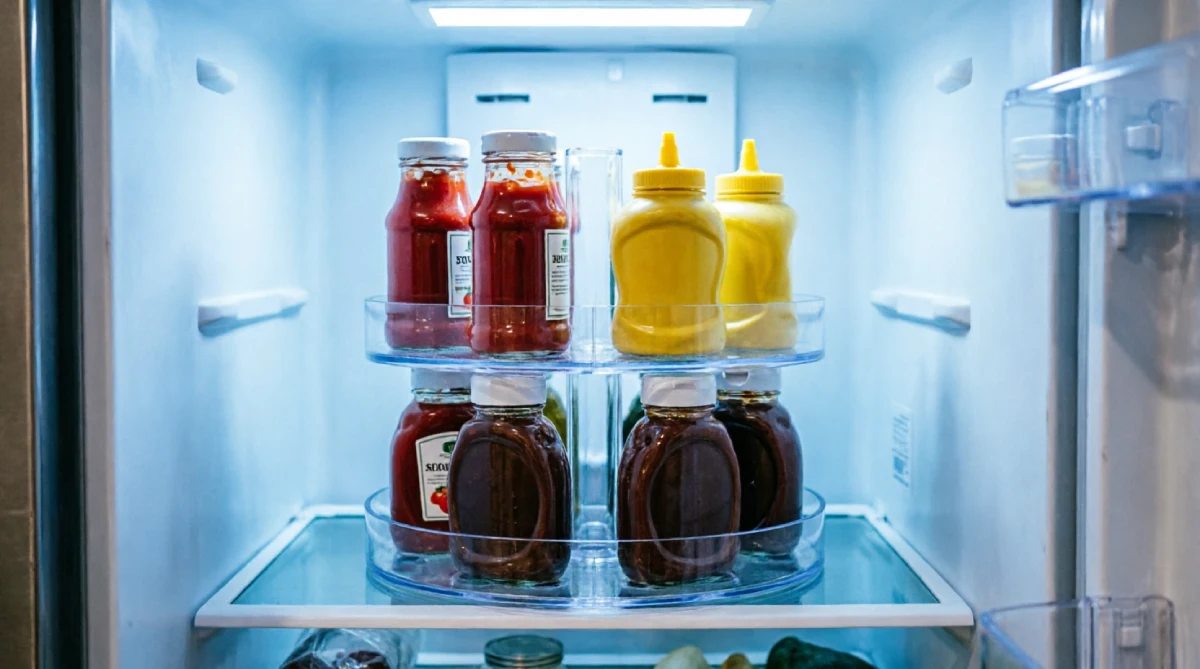
Summer condiments multiply overnight: ketchup, three kinds of mustard, relish, hot sauce for wings, and special barbecue sauces. Housing them all on a large, sturdy turntable inside the fridge stops the door shelves from becoming a sticky, overflowing mess. I prefer a rimmed, two-tier version to double the capacity without hiding half the bottles.
A classic problem is buying a new bottle of sriracha because an older one is invisible in the back. A simple spin brings everything into view, drastically reducing over-purchasing and the dreaded condiment avalanche.
11. The Popsicle Mold Parking Spot
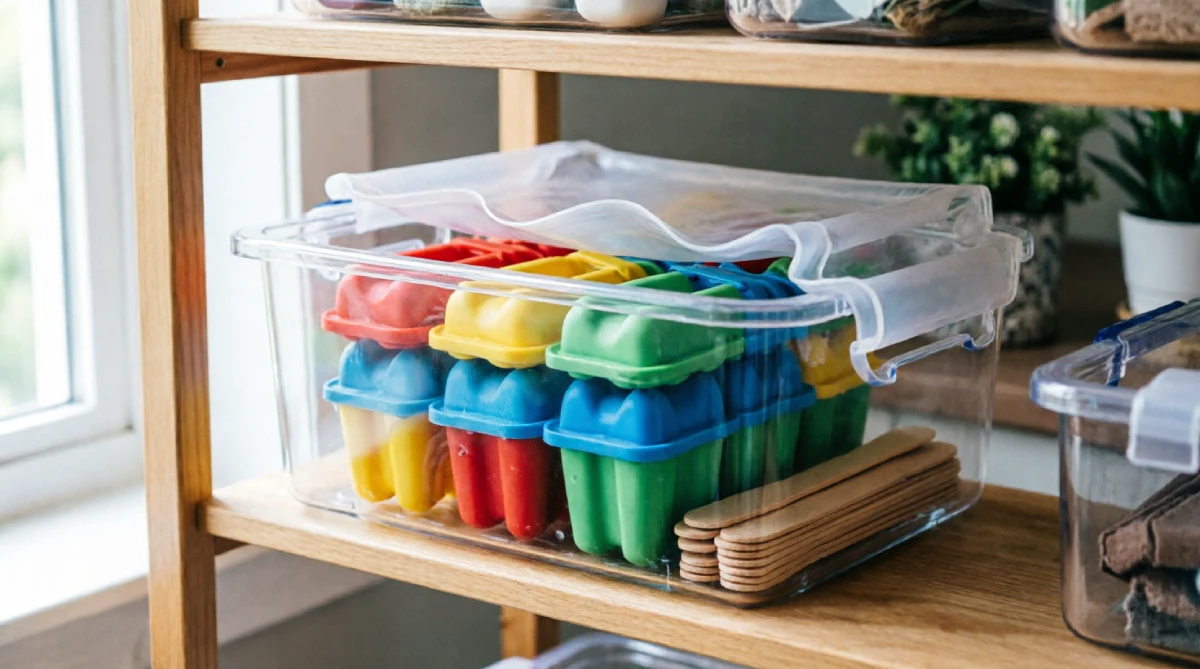
Molds, their sticks, and drip-guards are a nightmare to store. They tip over, get lost, and take up awkward space. I recommend setting aside a clear shoebox-sized bin exclusively for your popsicle-making supplies. The molds, the removable handles, and the drip-catchers all live here.
This works because you are corralling an activity with multiple tiny, easy-to-lose parts. I’ve often seen people give up on making homemade healthy pops simply because the setup is too frustrating. When it’s an all-in-one kit, the process becomes a quick afternoon joy instead of a chore.
12. The Daily Snack Drawer for Little Ones
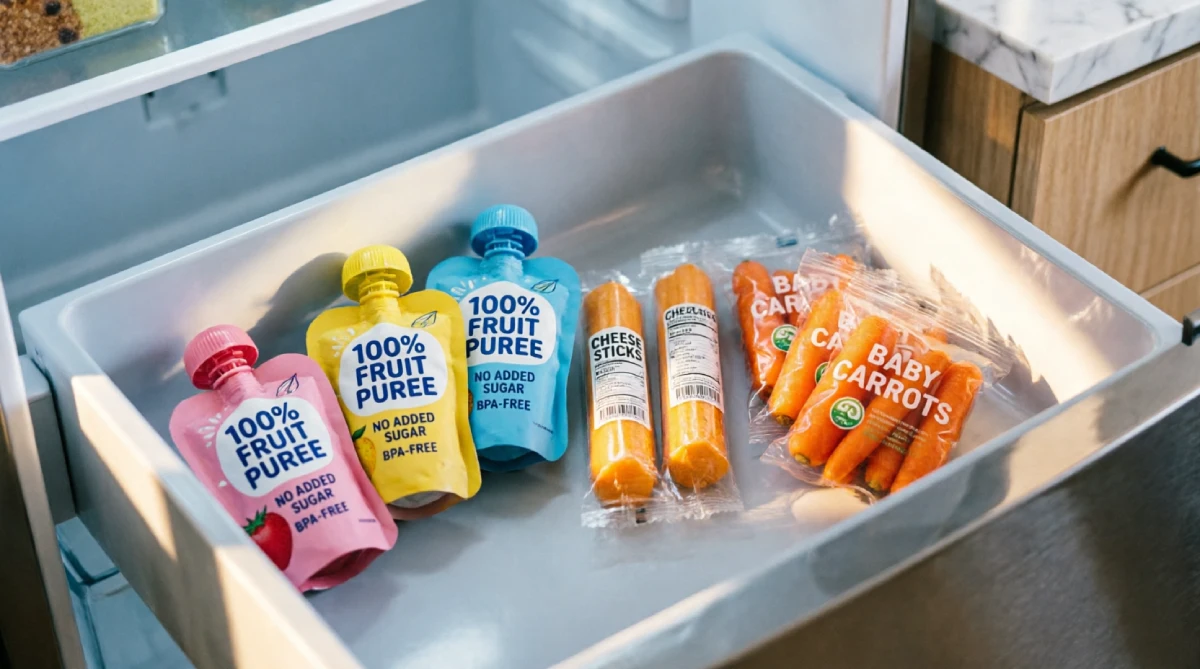
During summer break, the constant grazing can leave a trail of wrappers across the kitchen. I dedicate a single low drawer in the fridge, or a drawer under the counter, to “approved” snacks that kids can access without asking. Fill it with cheese sticks, pre-washed fruit in open bags, yogurt tubes, and small baggies of veggies. It works because it sets a clear boundary.
They know exactly what’s available, and you avoid the endless “what can I eat?” negotiation. I’ve seen this simple boundary restore a surprising amount of peace and order during long, unstructured afternoons.
13. The Paper Goods Partition
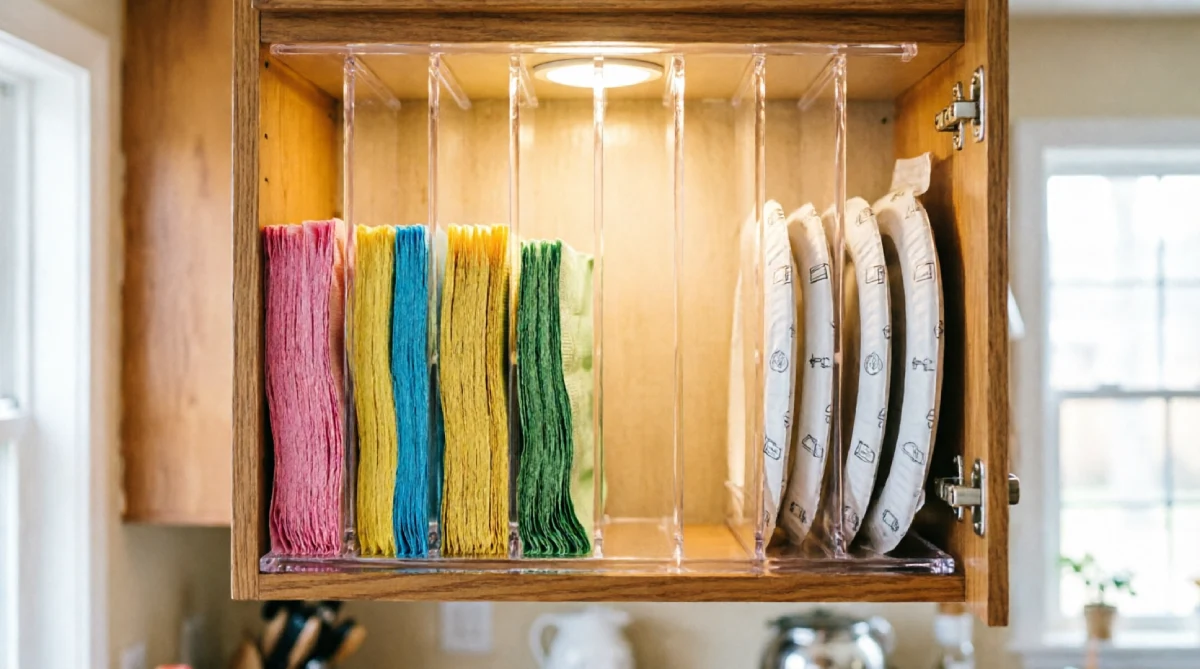
Summer entertaining brings stacks of decorative napkins, paper plates, and bamboo skewers that often get shoved into a random cabinet only to slide out in a mess. I usually install a simple shelf divider or magazine file here. Stand the paper plates and napkin packages vertically, like records in a bin. This works because flat, flimsy items gain stability when packed tightly on their side.
The common aggravation of a ripped napkin package spilling its contents every time you close the cabinet is easily fixed. It looks orderly and makes grabbing a stack for the patio a one-second task.
Practical Tips
- Adopt a “One In, One Out” Mindset: Summer brings freebies, pool toys, and promotional cups. For every new water bottle or gadget, remove an old one. It’s a simple rule that stops gradual buildup before it starts.
- Schedule a 10-Minute Evening Sweep: I recommend a nightly reset where everyone returns items to the hydration hub, snack drawer, and beach basket. This small habit keeps every system functioning the next morning.
- Use Clear Containers Everywhere: Visibility is the secret weapon against waste. A family won’t eat what they can’t see. Decanting prepped produce and snacks into glass or clear BPA-free plastic is worth the extra step.
- Hang a Seasonal Command Hook: Install a removable adhesive hook by the back door specifically for a mesh bag of sunscreen sticks and bug wipes. It keeps the greasy bottles off eating surfaces without a permanent change.
- Assess Weekly: Summer schedules shift fast. What worked during the first week of break might crumble by week three. A quick Sunday check helps you adjust bin locations and restock systems before they fail.
Common Mistakes to Avoid
- Overfilling Organizers First: Buying bins without measuring creates a new problem. An organizer that doesn’t fit the space is just another piece of clutter. Measure the cabinet’s depth and height before any purchase.
- The “Deep Storage” Trap: Hiding beach towels or daily sunscreen in a basement storage room rarely works. If you use it every day, it belongs in the kitchen or mudroom staging zone, no matter how ugly the bottle is.
- Ignoring Vertical Door Space: The empty back of a pantry or sink door is prime real estate. Not using an over-the-door rack for lightweight summer items like aprons, hats, or spare towels is a missed opportunity.
- Mixing Food and Non-Food: Keeping bug spray or sunscreen wipes in the same tote as granola bars is risky. Always keep chemicals and food in separate, clearly labeled bins, even temporarily.
- Forgetting the Drying Zone: Summer means wet swimsuits and towels. If you don’t specifically assign a hook or drying rack near the entrance, those damp items will inevitably end up draped over kitchen chairs.
Comparison Table
| Feature | Best Option | Why It Works | Cost |
|---|---|---|---|
| Water Bottle Storage | Bamboo 2-Tier Lazy Susan | Utilizes deep corner cabinets, spins for easy access. | $$ |
| Pot Lid Management | Tension Rod Dividers | No-drill installation, adjusts to fit oddly sized summer pots. | $ |
| Snack Visibility | Expandable Shelf Risers | Creates a “stadium” view in deep cabinets, preventing lost food. | $ |
| Fridge Condiment Control | Rimmed Acrylic Turntable | Contains leaks and spins sticky bottles out of the dark back corners. | $$ |
| Utensil Staging | In-Drawer Knife Block | Frees counter space, keeps skewers and long tools separated. | $$$ |
FAQs
What is the best way to manage the influx of summer produce without constant fridge clutter?
Commit to the “one-touch” rule. Wash, dry, and cut produce immediately after buying it, then store it in clear containers on a dedicated shelf. This process halts rapid spoilage and makes healthy food the most visible, convenient option in your fridge.
Can I organize my summer kitchen without buying any new products?
Absolutely. Start by repurposing shallow cardboard boxes cut down to size for drawer dividers, or using empty glass jars to store dry summer snacks and drink mixes. The goal is to define zones, not to spend money. A simple tray you already own can contain a cluttered coffee station.
Is it expensive to add cabinet door storage?
Not typically. Simple over-the-door wire racks or stick-on hooks are widely available and usually cost between ten and twenty-five dollars. They instantly add storage for lightweight summer items like foil, plastic wrap, or small lids, and are completely removable if needed.
How do I keep the family from messing up the new systems?
Make the system obvious and teach a simple rule: everything has a zone. Label shelves or baskets with tags if needed, especially the hydration hub and snack drawer. A quick family walk-through at the start of summer, explaining where things live, prevents most confusion.
Conclusion
A clutter-free kitchen during the energetic, demanding summer months doesn’t come from a sterile, museum-like setup. It comes from creating a handful of flexible, intelligent systems that make the right action the easy one. From corralling water bottles on a lazy Susan to building a kid-level snack drawer and processing produce immediately, these small shifts reduce daily friction. The goal isn’t a deep spring clean that lasts a week; it’s a gentle realignment of your space to support the season’s rhythm. I suggest trying just two or three of these ideas this weekend. When the structure feels natural, the entire house feels a little lighter.
