

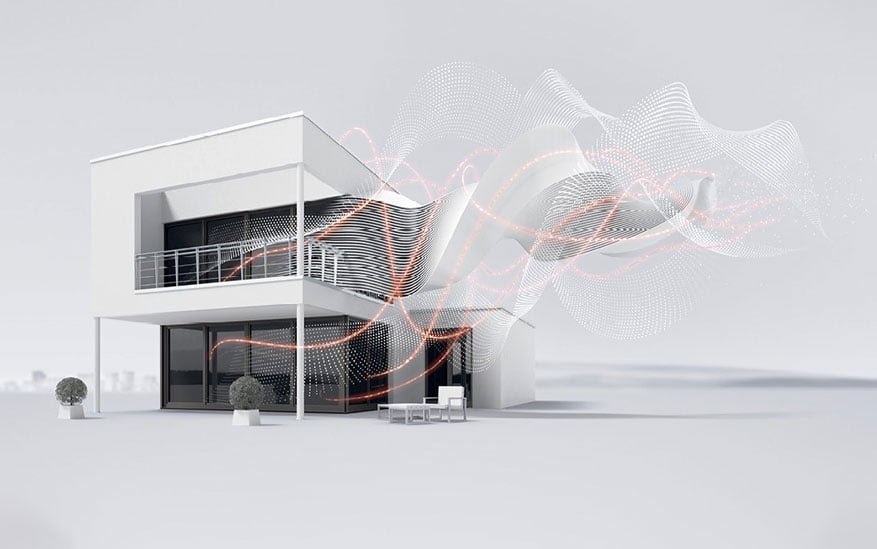
The idea of a fully automated, technology-driven home where devices and appliances can be controlled with the touch of a button or a simple voice command used to seem like a far-off concept only seen in science fiction films. However, rapid advancements in technology over the past decade have quickly turned smart homes from a futuristic fantasy into a real-world reality. The integration of innovative technology into living spaces has redefined the meaning of a modern, comfortable, and technologically advanced home. As smart home technology continues to evolve and be more readily accessible, tech-infused living is becoming the new normal.
The cutting-edge, intelligent home systems entering the marketplace today are transforming houses into responsive, personalized environments that cater to residents’ exact preferences. Smart home technology goes beyond basic programmable thermostats and lighting to provide whole-house automation, security, efficiency, and seamless entertainment through the integration of automated systems and internet-connected devices. With everything from climate control to audio-visual equipment and security features intelligently networked together, homeowners can enjoy maximum convenience through app- and voice-based controls.
This evolution has also spurred an exciting new partnership between tech product developers and interior designers. Working together, they are blending high-tech functionality with aesthetic appeal to create living spaces that are both smart and beautiful. The outputs showcase that advanced technology and thoughtful, ergonomic design can complement each other wonderfully.
The Evolution of Smart Homes
While the current smart home market is still rapidly growing and advancing, the original concept of automating and networking household technology is not entirely new. The earliest ideas for home automation date back to the late 19th century, when electricity started lighting up homes across America. With the flip of a switch, controlling lighting rather than manually lighting gas lamps, early electrical automation entered households.
Over the ensuing decades, various home device automation systems entered the marketplace, controlled through punch cards, telephone lines, remotes, and centralized hubs. In 1975, the first general-purpose home automation network technology called X10 was developed. This allowed basic devices like lights and appliances to communicate across electrical wiring via digital signals. However, due to the limited capabilities of technology at the time, these early automated systems did not deliver on the promise of a fully integrated smart home.
The concept of the intelligent, sci-fi-esque automated home we know today really started taking shape in the 1980s and 90s with the rise of more advanced computerized systems and the Internet. In 1989, an HVAC corporation launched the first integrated home automation system controlled through a central hub. Building on this, technology brands like Microsoft, IBM, and Apple helped introduce the mainstream market to the potential of home computerization through concepts like the “House of the Future.”
It was not until the rapid spread of high-speed internet and the launch of revolutionary new hardware like smartphones and AI-powered smart speakers in the 2000s that the smart home market really took off. As technology developed at breakneck speeds, home automation became affordable, user-friendly, and readily accessible to average consumers. With standards like WiFi, Bluetooth, and IoT supporting a massive explosion of interconnected smart products, homes could be transformed into responsive ecosystems with just a few upgrades.
Now, in just the last five years, smart home technology has diversified into a mature, multi-billion-dollar industry. Homeowners today have an ever-growing list of options when creating their ideal automated environment. Leading tech brands offer full suites of smart products integrating with home infrastructure, covering security, climate, lighting, entertainment, appliances, and more. The introduction of the Matter protocol marked a significant milestone, establishing a unified communication standard that allows devices from brands like Apple, Google, and Amazon to interoperate seamlessly within a single ecosystem—eliminating the compatibility issues that once made smart home adoption frustrating. Voice assistant AI, high-speed wireless connectivity, cutting-edge interfaces, and intuitive app controls bring it all together into a harmonious smart dwelling.
While early home automation targeted mainly basic conveniences like programmable lighting, the depth of what today’s smart homes can accomplish shows just how far the concept has come. Homeowners are now able to customize nearly every aspect of their living space to proactively meet their changing needs, enhance comfort and convenience, and simplify daily routines. The smart home industry will undoubtedly continue to see immense innovation and expansion for decades to come as technology evolves.
Merging Technology and Design
As smart home technology integrates more seamlessly into modern households, there is a major focus on ensuring it complements a home’s aesthetic appeal rather than detracting from it. Clunky devices, wires, and unsightly controllers can disrupt the feel of a thoughtfully designed living environment. Thankfully, tech brands and interior designers are working hand-in-hand to blend technological functionality with design excellence.
Today’s smart products aim to be discreet, minimalist, and tastefully merged with a home’s décor. Wireless connectivity and all-in-one control hubs cut down on wiring clutter. Devices like smart lighting strips, sleek touchscreen panels, and compact speakers seamlessly blend into any style of home. Modern smart home tech flexibly works around existing design rather than demanding significant renovation.
The push toward truly invisible technology has redefined what seamless integration means. In custom-built media rooms, speakers are now recessed into ceilings and walls, delivering rich sound without a single visible component on shelves or stands. Motorized screens descend from ceiling cavities and retract when not in use, eliminating the need for a permanent fixture dominating the room. Bulky control panels have given way to flush-mounted, minimalist keypads that sit nearly level with the wall surface—often indistinguishable from a standard light switch at a glance.
Lighting design, in particular, has become a primary intersection of technology and architecture. Smart lighting systems like Philips Hue and Lutron allow homeowners to adjust color temperature throughout the day, shifting from cool, energizing tones in the morning to warmer hues in the evening to mirror natural circadian rhythms. The fixtures themselves are increasingly embedded into architectural elements—integrated within crown molding, tucked beneath baseboards, or concealed in ceiling coves—so the light is experienced without the source being seen.
Window treatments have followed a similar trajectory. Motorized smart shades can be programmed to lower during the hottest parts of the day to manage solar heat gain and then retract in the evening, coordinating with fabric selections so they disappear into the architecture when not in use. More advanced installations use responsive smart glass that tints automatically based on sunlight intensity, reducing glare and heat while eliminating the need for heavy curtains or blinds. The result is a cleaner architectural profile with far less visual clutter around windows.
Even environmental controls have become less intrusive. Where a wall-mounted thermostat once served as an obvious piece of hardware, many homes now rely on compact sensors distributed throughout the living space. These sensors monitor temperature, humidity, and air quality without drawing attention, feeding data to a central system that adjusts climate settings automatically behind the scenes.
Achieving this level of integration requires more than selecting the right devices—it demands proactive planning during the design and construction phases. Installing conduit within wall framing during construction allows future cable upgrades to happen quickly and without destructive retrofitting. Builders who plan for a dedicated, climate-controlled space to house routers, network switches, and automation hubs ensure that the technology backbone of the home remains organized, accessible, and out of sight. Pre-wiring with multi-gigabit network cabling and adequate dedicated power circuits lays the groundwork for a home that can support an expanding ecosystem of connected devices for years to come.
Automation hardware has also evolved to be less industrial and more home-appropriate in look and feel. For example, today’s smart thermostats like Nest and Ecobee have an elegant, interactive aesthetic. Even smart security cameras come in inconspicuous, designer-friendly models that blend in. Clean, intuitive interfaces keep tech looking sophisticated. The goal is for smart home tech to operate functionally behind the scenes without disrupting interior design and decoration.
This allows homeowners to match functionality with personal style. Tech features can be layered into living spaces for added comfort and efficiency without any compromise on the desired aesthetic. The smart home of the future is one where the tech experience disappears into the background and the design, décor, and overall environment take center stage.
Customization and Personalization
One of the most transformative aspects of modern smart home tech is its ability to open up new avenues for customization and personalization. Instead of forcing residents to adapt to static living conditions, automation allows homeowners to proactively program their environments to meet specialized wants and needs.
Intuitive smart apps and virtual assistants make it simple to set up custom home automation routines for any time of day. Features like smart lighting, temperature adjustments, and motorized curtains can activate in the morning to gently ease users awake. With tunable lighting that gradually shifts from warm amber tones to cooler daylight temperatures, mornings can feel more natural and closely aligned with the body’s circadian rhythm. You can set lighting scenes, music playlists, and essential oil diffusions to match your mood after a long workday. Your home can seem warm and cozy for movie nights or brightly lit for task-focused evenings.
Location-aware automation adds another layer of responsiveness. Using geofencing, a smart home can detect when a resident’s phone enters the vicinity and begin preparing the environment—disarming the security system, adjusting the thermostat to a preferred temperature, and unlocking the front door. When the last person leaves, the home can automatically lock up, lower shades, and activate an away mode that simulates occupancy for added security. Daily routines are further simplified through scenes that activate multiple adjustments with a single tap. Everything runs in the background to make homes feel genuinely attuned to their owners’ movements and lifestyles.
Sleep-focused routines represent a growing area of personalization. A well-configured bedroom can gradually dim lights, lower the thermostat to a cooler sleeping temperature, and shift ambient soundscapes as bedtime approaches. In the morning, shades can rise slowly while lighting warms to mimic a natural sunrise, replacing a jarring alarm with a gentler wake experience that supports the body’s natural rhythms.
Smart home technology also enables multi-user personalization. Individual family members can have their own custom settings. Personalized voice recognition allows smart assistants like Amazon Alexa and Google Assistant to differentiate between users and adjust experiences accordingly. For example, children’s rooms can limit smart features while parents control full-home access. No matter a home’s occupants, smart technology allows tailoring living spaces to residents rather than the other way around.
Smart Home Automation Benefits
Integrating smart home technology goes far beyond introducing “cool” new gadgets into a living space. The benefits unlocked through home automation include:
- Convenience: Everything from lighting and temperature to locking doors and controlling entertainment can happen at your voice command or a tap on your phone. Daily routines and tasks are simplified and hands-free. Connected kitchen appliances—from smart ovens that preheat on schedule to refrigerators that track inventory and expiration dates—extend this convenience into meal preparation and household management.
- Efficiency: Smart climate tech can intelligently optimize energy use while occupancy sensors turn off unused lights and devices in empty rooms, eliminating the waste that comes from human forgetfulness. Leak detection sensors placed along plumbing lines can catch issues early and send instant alerts before water damage spreads. Weather-aware smart sprinklers adjust irrigation schedules based on local forecasts, conserving water without sacrificing lawn health.
- Security: Features like video doorbells from Ring, smart locks from August, and home monitoring systems deter crime and allow homeowners to watch over their dwellings from anywhere. Advanced access control now includes biometric options such as fingerprint and facial recognition, replacing traditional keys with faster, more secure entry methods. Alerts provide real-time notifications if disturbances are detected.
- Accessibility: Smart controls through apps and voice eliminate the need for more complex physical interactions. Features like remote access also improve experiences for mobility-limited users.
- Health: Smart air quality monitoring systems track indoor particulates, carbon dioxide levels, and volatile organic compounds in real time, providing alerts when ventilation needs improvement. Advanced HVAC systems paired with energy recovery ventilators continuously cycle fresh, filtered air into tightly sealed homes while recovering heating or cooling energy from the outgoing air. Germ-reducing lighting technologies and sleep-focused automation routines further support household health and wellness.
- Entertainment: Multi-media smart home networks seamlessly integrate audio, video, and lighting for whole-home entertainment. Everything connects wirelessly for total control.
- Comfort: Personalized automation allows homeowners to set their ideal ambient conditions with lighting color and brightness, temperature and humidity, music, and more tailored to their comfort.
- Savings: By optimizing energy usage, reducing waste, deterring theft, and more, smart homes can significantly cut costs for homeowners over time. Homes equipped with rooftop solar panels can track production and battery storage levels through integrated dashboards, maximizing the return on renewable energy investments. Smart systems can also shift energy-intensive tasks—like running the dishwasher or charging an electric vehicle—to off-peak hours when utility rates are lower, reducing monthly bills without sacrificing convenience.
Smart Home Technology in Interior Design
Just as smart home technology has evolved over the generations, its role in interior design has also transformed. Once regarded as purely utilitarian add-ons, home automation devices now play a major part in crafting living spaces as stunning as they are intelligent. They complement overall aesthetics rather than detracting from them.
For modern interior design firms and home builders, incorporating elegant smart home technology is now an essential part of their holistic services. Clients expect living spaces that balance beauty, comfort, and functionality through technology integration. Interior designers take household goals like security, multimedia, accessibility, and efficiency, then implement high-tech solutions that align with intended aesthetics.
Today’s broad smart home category allows designers tremendous flexibility in crafting tech-enhanced living environments tailored to each client. Sleek touchpanels can be mounted on walls for streamlined smart controls in contemporary, minimalist spaces. Multi-color smart lighting built seamlessly into shelves and ceilings adds a high-tech ambiance to living rooms. Audio can be delivered through in-wall and in-ceiling speakers that disappear entirely into the architecture, providing rich, room-filling sound without a single visible device on furniture or floors. Discreet smart surveillance cameras are worked into parts of room designs for added security without disrupting décor. The possibilities are vast.
When thoughtfully built into room designs, smart technology redefines what comfortable, elegant, and functional home living can look like in the modern age. Tech finally complements design rather than overshadowing it.
The Partnership Between Tech Developers and Interior Designers
The surging popularity of today’s thoughtfully designed, high-tech homes is a testament to the powerful partnership between technology companies and interior design firms. Rather than working in silos, collaboration has led to interior spaces where automation enhances aesthetics rather than detracting from them.
Many cutting-edge smart home brands now employ interior designers within product development teams. This ensures even small details like finishes, materials, and indicator light hues appeal to design sensibilities while maintaining function. Designers provide input on eliminating visible clutter while allowing technology to flexibly integrate into various home layouts. The tech itself is designed to stylistically fit in any space.
Likewise, interior design experts lead the curation of home technology to match client lifestyles. Their deep knowledge of optimal room layouts, lighting needs, ergonomic furniture placement, and material selection allows technology to be woven in stylishly. Clients receive the most thoughtfully integrated smart homes possible.
Ongoing partnerships lead to the launch of new smart home solutions focused on elegant cohesion rather than technology alone. Coffee tables and nightstands now come with built-in wireless charging surfaces, eliminating the need for visible cables and charging pads on countertops. Kitchen cabinetry can be fitted with hidden touch controls that activate lighting or ventilation without any visible hardware on the surface. Lighting fixture companies collaborate with smart home brands to produce designer pendants and sconces with tunable smart bulbs or motion-sensing capabilities built directly in. Seamlessly blending technological innovation and design excellence leads to homes that feel both incredibly high-tech yet comfortable and visually stunning.
This multidisciplinary collaboration will only yield more incredible advances, improving mainstream smart home experiences. Homeowners benefit tremendously by having both great designers and technologists work together to craft their ideal intelligent living environments.
Must-Have Features for a Smart Living Room
The living room is often the heart of a home where families gather, entertainment is enjoyed, and guests are welcomed. It is also often the room where smart home technology gets first introduced and showcased. When integrating tech into the living room, these are some must-have features to implement:
- Smart Entertainment: A seamlessly connected entertainment system is essential. This includes a smart TV with built-in streaming platforms and speakers that automatically adjust volumes based on ambient noise levels. For a truly integrated look, display options like Samsung’s Frame TV double as digital art when powered off, eliminating the black rectangle that typically dominates a living room wall. Wireless streaming devices also allow you to easily cast shows, movies, and music from any device to the TV.
- Multi-media Control: Installing a central smart hub or touch panel gives you command of the full living room ecosystem. With just a tap, you can launch media, dim lights, adjust temperature, and power everything on or off instantly.
- Smart Lighting: Install tunable smart bulbs from brands like Philips Hue or Lutron in existing fixtures or built-in lighting to control brightness, color temperature, and lighting scenes that set the perfect ambiance. Smart strips behind furniture or under cabinets provide accent lighting that adds depth and warmth to the room. Keeping the setup clean requires attention to wiring—cord concealers, in-wall cable routing, and stylish cable management boxes prevent visual clutter from undermining the room’s design.
- Climate Control: Smart thermostats from brands like Nest and Ecobee allow you to set the ideal temperature from anywhere. Paired with smart vents, they enable zoned climate adjustments so different areas of the living room can maintain different temperatures based on occupancy and preference. Smart fans can also be controlled and scheduled.
- Smart Furniture: Today’s tech-enhanced couches and coffee tables feature built-in wireless charging surfaces, illuminated edges, and integrated speakers with subtle vibration feedback.
- Voice Assistant: A smart speaker or display with an integrated voice assistant—such as Amazon Echo, Google Home, or Apple HomePod—allows for hands-free living room control. Use voice commands for media, lighting, climate features, and more.
- Security: Discreet security cameras give you home monitoring capabilities without disrupting décor. Smart doorbell cameras and smart locks from brands like Ring and August provide additional protection.
With these core smart living room features incorporated, you unlock an incredible media experience, personalized comfort, protection, and everyday convenience simply through intuitive voice and app controls. The space feels simultaneously high-tech yet warm, welcoming, and designed purely for enhancing leisure time rather than spotlighting technology.
The Future of Smart Home Technology
As rapidly as smart homes are evolving today, this is still just the beginning. Home automation technology is expected to see exponential advancement in the coming decades as engineers uncover new ways technology can proactively support modern living. Based on current innovations in the pipeline, the future smart home will be even more adaptive, intuitive, and integrated than science fiction authors once imagined.
Even today’s standards, like app and voice control, will give way to more advanced interfaces like motion, face, and object recognition, and even thoughts. Homeowners will be able to just look at or think about controlling a device for it to activate. Sensors will be able to identify family members by presence and serve up their preferred settings instantly. Items around your home will all have digital identities for you to control or query just by looking at them.
Artificial intelligence will develop to the point of managing most home operations and interactions for you. Your home will continuously self-monitor performance in areas like energy use and lighting needs, self-adjusting throughout the day for efficiency. No human input will be required. Any anomalies like leaks or malfunctions will quickly be identified by your home AI and automatically resolved or brought to your attention.
This data-driven approach to home management is already taking shape. Homeowners are beginning to access real-time performance dashboards that visualize energy consumption, indoor air quality, temperature trends, and equipment status across every zone of the house. Rather than waiting for a furnace filter to clog or a dryer vent to block, predictive maintenance systems can monitor actual conditions—such as airflow pressure and particulate levels—and trigger alerts only when service is genuinely needed. This shift from calendar-based maintenance to condition-based monitoring reduces waste, prevents costly breakdowns, and keeps systems operating at peak efficiency.
Energy management will grow increasingly sophisticated as well. Smart homes will coordinate with utility providers to shift energy-intensive tasks to off-peak hours when rates are lower, a practice that becomes especially valuable as more utilities adopt time-of-use billing models. Appliances will begin communicating with each other—a dryer coordinating with the home’s power meter to avoid running during peak demand, or an HVAC system adjusting based on real-time solar production and battery storage levels. Over time, aggregated performance data across many homes will provide insights that help homeowners make smarter decisions about upgrades, such as whether higher-rated insulation or more efficient windows offer a measurable return in their specific climate.
Beyond operations, smart homes will increasingly support residents’ health and well-being. Continuous air quality monitoring will track particulates, humidity, and carbon dioxide levels, with energy recovery ventilators adjusting fresh air intake automatically to maintain optimal indoor conditions. Lighting systems will be tuned to circadian rhythms, reinforcing natural sleep-wake cycles. For homes with tightly sealed construction, these health-focused systems become especially important, as improved airtightness boosts energy performance but demands careful ventilation management to maintain air quality.
As homes gain predictive capabilities through advanced machine learning algorithms, daily experiences will feel intuitive. Your home will know if you have a big presentation in the morning and ensure you wake up energized. If you have a long day at work, it will be relaxing to draw a relaxing bath when you get home. Friends coming over could prompt your home to turn on ambient lighting, music, and your favorite beverages to cool.
The intersection of smart home data and personal health opens further possibilities. Wearable devices could eventually correlate indoor environmental conditions—air purity, lighting temperature, humidity—with sleep quality, energy levels, and other wellness metrics, giving homeowners actionable insights they never had before. On the financial side, insurance providers may begin offering reduced premiums for homes equipped with active monitoring systems that mitigate risks like water damage, fire, and equipment failure, rewarding homeowners who invest in proactive technology.
While many of these advances are still developing, if smart home technology’s evolution has shown us anything, it is that the reality often ends up surpassing expectations. Early concepts dismissed as too futuristic find tangible footholds, paving the way for more innovation. Between artificial intelligence, edge computing, sensors, and biometrics, the future possibilities for transforming home life through technology are boundless.
Smart homes are destined to become our loyal life partners, making day-to-day living more magical, personalized, and balanced to improve our overall well-being. With technology and interior design evolving hand-in-hand, these advances fortunately come with aesthetic excellence. The next generation of smart homes will set new standards for both intelligent convenience and welcoming warmth and comfort.
Conclusion
The integration of advanced smart home technology into modern living spaces has rapidly redefined everyday home experiences for the better. What used to be a futuristic fantasy has evolved through the partnerships between tech innovators and design experts into beautiful, high-functioning realities. Homeowners now have an ever-expanding range of ways to customize their living environments using intelligent automation systems.
From revolutionizing entertainment through consolidated multimedia networks to simplifying daily routines through app and voice controls, smart homes cater to each resident’s preferences. Features like security cameras, smart lighting, and climate adjustments operate discreetly in the background to enhance comfort, connectivity, efficiency, and peace of mind. Everything links together through intuitive platforms that keep technology hidden unless needed.
As unified standards like Matter bring interoperability across brands, and as infrastructure planning during construction ensures homes are built ready for expanding ecosystems, the barriers to adoption continue to fall. Smart home technology will only grow more advanced and transformative thanks to continuous innovation and multidisciplinary collaboration. Homes are becoming living partners that actively care for your well-being while syncing with personal needs and patterns to make life more enjoyable and balanced. While once the subject of science fiction, automated dwellings are now very real and increasingly accessible. The future is here, and it is intelligent, responsive, and designed for enhancing every single day.
