

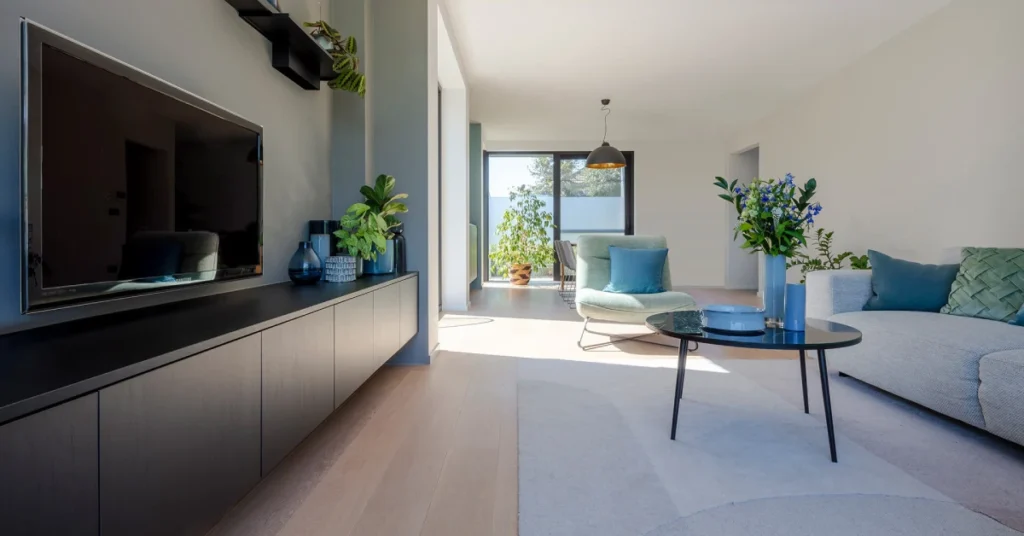
Smart home decor integration blends cutting-edge technology with stylish design to create homes that are both functional and beautiful. This approach eliminates clunky gadgets and focuses on smart devices that complement your decor while automating daily tasks, saving energy, and enhancing security.
What Is Smart Home Decor Integration?
Smart home decor integration combines smart home automation with thoughtful design integration. Your devices look good while making life easier.
Forget clunky gadgets that ruin your vibe—today’s smart home tech is designed to disappear into your decor while making life easier. Decorative technology solutions hide wires, match your color scheme, and blend seamlessly into existing furniture. Picture smart speakers that look like decorative vases or security cameras disguised as picture frames. The technology works behind the scenes while your home maintains its style. Research in environmental psychology suggests that visually cohesive, clutter-free smart environments can lower cortisol levels and support mental well-being, making this approach both practical and beneficial for your well-being. Modern living demands this balance between aesthetics and functionality.
Essential Smart Devices That Define a Modern Home
Start with smart lighting, thermostats, security systems, and voice assistants for immediate impact. These four pillars—lighting, climate, security, and voice control—form the backbone of a cohesive smart living ecosystem.
Start with smart lighting—it’s the fastest way to refresh any room. One tap adjusts mood, saves energy, and makes your space feel instantly curated. AI-enabled lights have incredible processing power and can sync with audio devices to create twinkling light shows. Choose bulbs that adjust color temperature throughout the day, supporting your natural rhythms while reducing energy costs by up to 20%. Smart thermostats learn your schedule and preferences, automatically adjusting temperature before you arrive home. Voice-controlled assistants like Alexa or Google Home become your central command center, controlling multiple connected devices through simple voice commands. Security cameras now come in decorative designs that complement your bookshelf or blend into outdoor landscaping.
Essential Smart Home Decor Components
| Device Category | Cost Range | Energy Savings | Design Integration | Best For |
|---|---|---|---|---|
| Smart Lighting (Energy Star-certified) | $25-150 | 15-20% reduction | High – multiple finishes available | Renters & quick aesthetic upgrades |
| Smart Thermostats (Energy Star-certified) | $150-300 | $30-40/month | Medium – wall-mounted options | Long-term energy savings |
| Security Systems | $200-800 | Minimal | Highly disguised cameras available | Peace of mind + property value |
| Voice Assistants | $50-200 | 5-10% optimization | High-fabric/wood finishes | Centralized control hub |
The best smart home tech doesn’t shout—it quietly works. Think lights that adapt to your day, cameras that blend into shelves, thermostats that learn your rhythm—creating truly intelligent spaces without sacrificing style or comfort.
Step-by-Step Setup Guide
Plan your goals first, ensure device compatibility, then start with simple upgrades like smart plugs and lighting. Wireless connectivity forms the backbone of any successful installation.
Begin by mapping which rooms need updates most urgently and set a realistic budget for your smart home integration. Prioritize Matter-certified devices for cross-platform compatibility with Alexa, Google Home, and HomeKit—reducing setup friction by up to 70%. For ultra-reliable device communication, choose Thread-enabled sensors and switches—they create a self-healing mesh that stays responsive even if your Wi-Fi hiccups. Install a reliable mesh Wi-Fi network using systems like Eero or Google Nest Wi-Fi to support multiple connected devices. Start your smart decor journey with plug-and-play options that include app control features before advancing to complex systems like integrated security setups. Most users find success beginning in their living room or bedroom, where they spend the most time.
Key Implementation Points for Success
When planning your smart home decor integration upgrade, consider these verified strategies:
- Start with core systems: Lighting and climate control provide immediate benefits
- Ensure compatibility: Choose Matter-certified devices that work with your preferred home automation platform
- Plan for scalability: Design your system to grow with advancing technology
- Balance aesthetics and function: Select devices that complement your interior design
- Consider professional installation: Complex systems benefit from expert setup
Energy Savings and Environmental Benefits
Smart thermostats and automated lighting can reduce utility bills by $30-40 monthly while supporting eco-friendly living. Smart thermostats adjust temperature based on occupancy and weather conditions, providing measurable environmental benefits.
See exactly where your energy goes—and fix waste in real time. Smart monitors flag habits like leaving lights on, helping you cut bills without guesswork. Smart thermostats analyze weather forecasts and adjust settings automatically, preventing energy waste when you’re away from home. Automated lighting schedules ensure lights turn off in empty rooms, while sensors activate illumination only when needed. Many smart home users report 15-25% reductions in electricity costs within the first year. Advanced energy management systems automatically adjust appliance working hours by analyzing household electricity demand and energy supply. Upgrade to circadian lighting systems that automatically adjust color temperature to match your body’s natural rhythm—enhancing sleep quality while reducing evening eye strain. Some utility companies offer rebates for installing qualifying Energy Star-certified smart devices, adding to your savings potential.
Security Features That Protect Without Compromising Style
Modern security systems blend protection with aesthetics through doorbell cameras, motion sensors, and smart locks that match your decor. AI-powered surveillance integrates with other smart home solutions using the MQTT protocol for seamless communication.
Video doorbells now come in finishes that complement your front door hardware while providing live footage to your smartphone. Motion sensors integrate into existing light fixtures or hide within decorative elements around your property. Smart locks eliminate key concerns while maintaining your door’s original appearance through sleek, keyless designs. NFC and ultra-wideband (UWB) technologies allow locks to operate based on proximity, offering enhanced security and convenience. Indoor cameras disguise themselves as picture frames, plant holders, or bookshelf accessories. These systems send immediate alerts to your phone and can automatically contact emergency services when triggered, providing 24/7 peace of mind.
Design Integration Strategies for Seamless Smart Home Decor
Choose devices in colors that match your existing palette and hide cables using decorative solutions or built-in wall conduits. Tech-forward design prioritizes both function and visual appeal.
Smart speakers now come in fabric covers, wood finishes, and customizable colors that complement any design style from minimalist to rustic. Discreet tech means incorporating smart home devices in a way that they blend effortlessly with the decor. Apply biophilic design principles by pairing smart planters with air-quality sensors—creating living decor that actively improves your indoor environment. Mount smart displays flush with walls or incorporate them into gallery walls alongside traditional artwork. Use decorative boxes as charging stations for multiple devices while keeping surfaces clutter-free. The Samsung Frame TV displays artwork when not in use, turning your entertainment center into a design focal point. Group smart devices with books, plants, and decorative objects to create intentional vignettes rather than obvious tech displays. This intelligent home design approach ensures technology enhances rather than disrupts your aesthetic vision.
Cost Analysis and Return on Investment for Smart Home Upgrades
Smart home devices typically cost $50-500 per room but increase home value while reducing monthly expenses through energy savings. Residential technology investments often show positive returns within 18-24 months.
Starter kits, including smart bulbs, plugs, and a voice assistant, cost around $150-200 and provide immediate convenience benefits. Mid-range upgrades adding thermostats and security systems range from $500-1,000, but often pay for themselves through energy savings within 18-24 months. Premium smart decor installations with whole-home integration can cost $2,000-5,000 but increase property value by 3-5% while attracting tech-savvy buyers. The global smart home market is expected to reach $135 billion by 2025. Many insurance companies offer discounts for homes with monitored security systems, adding to your long-term savings. Focus on devices that solve specific problems in your daily routine rather than buying technology for its own sake.
Trends and Emerging Technologies in Home Smart Decor
AI-powered systems, health monitoring sensors, and solar integration represent the next wave of smart home evolution. Circadian lighting systems are becoming increasingly popular, programmed to be timed with sunrise and sunset.
Your home starts anticipating you: coffee brews as your alarm rings, lights soften when you unwind, and temperature adjusts before you feel chilly. Natural Language Processing (NLP) enhancements mean future voice assistants will interact more naturally, understanding complex and multi-step requests. Health monitoring technology embedded in mirrors, air purifiers, and sleep systems tracks wellness metrics while maintaining decorative appeal. Solar panels now integrate with smart home systems to optimize energy usage and store excess power for peak demand periods. Quantum encryption represents a fundamental shift in smart home device protection, using quantum mechanics to create truly random, constantly changing encryption keys. Expect to see more devices that completely disappear into your decor while providing enhanced functionality through invisible sensors and projection technology.
Conclusion
Smart‑home décor and tech turn houses into responsive, stylish sanctuaries. Smart‑home systems now include sleek controllers and IoT devices that blend seamlessly with décor. Begin with smart lighting or voice assistants, then expand based on what enhances your daily life. You’ll save on energy bills, boost home security, and enjoy daily convenience.
AI‑powered systems now predict routines—like warming your home before you return or dimming lights based on sunset—to deliver smarter, personalized comfort. New standards like Matter ensure devices work together smoothly and affordably. Today’s homes use tunable lighting, air‑quality sensors, and automated shades to support sleep, wellness, and family safety. Smart systems also detect issues like leaks or unusual activity and respond automatically or alert you—making your home safer through IoT interoperability, smarter via AI routines, and more beautiful—without compromising your design vision.
