

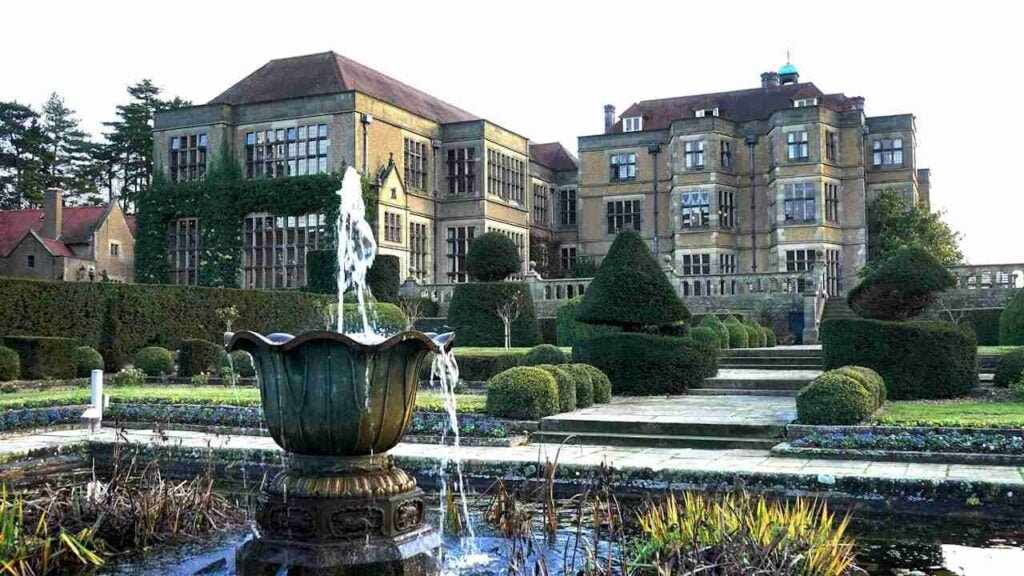
Step into the heart of Southampton’s rich colonial history with the iconic Halsey House, a remarkable 17th-century structure that has captivated visitors for generations.
What is the History of the Halsey House in Southampton?
Built in 1683 by Thomas Halsey Jr., son of Southampton pioneer Thomas Halsey Sr., the Halsey House stands as Long Island’s oldest documented wood-frame residence. Now stewarded by the Southampton Colonial Society, this museum preserves original joinery, period artifacts, and 17th-century domestic life. Plan your visit: The Halsey House opens seasonally (June–September). Reserve guided tours through the Southampton Colonial Society website to secure access to restored rooms and artifact collections.
Origins: Who Built the Halsey House?
The Halsey House was built in 1683 by Thomas Halsey Jr., a prominent figure in Southampton’s early settlement. As the son of pioneer Thomas Halsey Sr., he inherited the family estate and constructed this magnificent wood-frame structure using post-medieval English framing techniques.
What Makes the Halsey House Historically Significant?
This historic house is a treasured piece of Southampton’s colonial heritage, offering a rare glimpse into the lives of its early settlers. As a candidate for the National Register of Historic Places, the Halsey House undergoes documentation per Historic American Buildings Survey (HABS) standards to ensure preservation rigor. It stands as a testament to the craftsmanship and architectural styles of the 17th century, preserved through meticulous restoration efforts.
How Has the Halsey House Evolved Over the Centuries?
Over the years, the Halsey House remained in the Halsey family’s ownership until it was eventually converted into a museum and opened to the public by the Southampton Colonial Society. This adaptive reuse has ensured the preservation of its rich history for generations to come.
What is the Current State of the Halsey House Restoration Project?
The restoration team is making measured progress on the Halsey House, carefully navigating challenges like updating centuries-old plumbing systems while preserving original fixtures and maintaining historical integrity. They remain committed to preserving the architectural authenticity of the Halsey House. For project updates, subscribe to the Southampton Colonial Society newsletter.
When Did the Latest Renovations Begin?
In recent years, the Southampton Colonial Society has undertaken an ambitious restoration project to breathe new life into the Halsey House. The latest phase of renovations commenced in 2020, aiming to revive the historic house to its former glory.
Who is Leading the Restoration Efforts?
A team of skilled architects, historians, and preservationists is spearheading the restoration efforts, working tirelessly to ensure the utmost historical accuracy and attention to detail. Their expertise and dedication are crucial in preserving this irreplaceable piece of New York’s cultural heritage.
What Are the Key Features Being Restored?
The current restoration efforts focus on reviving the house’s iconic elements, including its wood frame structure, tall ceilings, and grand fireplace. The restoration honors the home’s original saltbox profile—a distinctive colonial silhouette with a long, sloping rear roofline designed for New England weather resilience. Meticulous care is being taken to restore the original furnishings and artifacts that once graced the Halsey House.
How Can Visitors Experience the Halsey House Today?
When you cross the Halsey House’s original 1683 threshold, you walk the same creaking floorboards as Southampton’s founding families—where every hand-hewn beam and wrought-iron hinge whispers stories of colonial resilience. Located in Southampton Village on Long Island’s South Fork, the Halsey House sits within walking distance of Southampton Historical Museum and the Hamptons’ historic district. Whether you’re a history enthusiast or exploring Long Island heritage, the Halsey House offers an immersive journey into colonial life.
What Attractions are Available for Visitors?

While the restoration is ongoing, visitors can still explore the Halsey estate’s grounds, which feature meticulously maintained herb and flower gardens, as well as an orchard that harkens back to the property’s agricultural roots.
When is the Halsey House Open to the Public?
The Halsey House opens its doors to visitors during the summer months, offering a unique opportunity to step back in time and immerse oneself in the rich tapestry of Southampton’s past. Check the museum’s website for the latest opening hours and tour schedules.
Are There Guided Tours and Programs Available?
Absolutely! The Southampton Colonial Society offers guided tours led by knowledgeable docents who bring the Halsey House’s stories to life. Additionally, educational programs and events are regularly held on-site, providing an interactive and enriching experience for visitors of all ages.
What Challenges Do Restoration Projects Like the Halsey House Face?
Restoring a 1683 structure demands specialized expertise. The Southampton Colonial Society’s team navigates challenges like sourcing period-appropriate materials and reconciling modern accessibility standards with 17th-century craftsmanship. Being on Long Island’s South Fork introduces additional considerations—from coastal weather exposure to coordinating with local preservation guidelines.
How Do Experts Deal With Structural Deterioration?
One of the primary challenges in restoring historic structures like the Halsey House is addressing structural deterioration caused by the passage of time and environmental factors. Experts employ specialized techniques and carefully sourced materials to reinforce and stabilize the building while preserving its authentic character.
What Materials are Used in the Restoration Process?
To maintain the historical integrity of the Halsey House, the restoration team utilizes traditional building materials and construction methods that were prevalent in the 17th century. This includes hand-hewn timbers, wrought iron hardware, and locally sourced stone, alongside lime-based mortar consistent with Long Island’s colonial building traditions.
How is Historical Accuracy Maintained?
Maintaining historical accuracy is of utmost importance in restoration projects like the Halsey House. Experts rely on meticulous research, archival documents, and physical evidence from the structure itself to guide their efforts and ensure authenticity. Every restoration decision references HABS documentation, archival deeds, and physical evidence like tool marks on original timbers to guarantee historical fidelity.
What Makes the Halsey House Unique Among Southampton’s Historic Sites?
Unlike other Southampton historic sites, the Halsey House offers an unbroken material connection to 1683: original timber frames, period artifacts, and the documented legacy of Thomas Halsey Jr.’s family—preserved through meticulous stewardship. When you step through the front door, you encounter a well-preserved piece of history, not merely a relic.
Now a part of the Halsey Estate and open to the public as a museum, it features a curated collection of colonial-era artifacts. It’s not every day you find a home with original glass windows from the 17th century!
Located in Southampton Village on Long Island’s South Fork, the house falls into a category of must-see for history enthusiasts. The staff provides knowledgeable interpretation, and the period-appropriate decor adds authentic historical context.
Whether you have a preservation inquiry or historical curiosity, a visit to the Halsey House will leave you with a deeper appreciation for this extraordinary collection.
What Other Historic Sites are Located Nearby?
While Southampton boasts a rich array of historic sites, the Halsey House stands out as one of the oldest and most well-preserved structures in the area. Nearby attractions include the Southampton Historical Museum and the Old Southampton Village, offering visitors a comprehensive exploration of the town’s storied past.
How Does the Halsey House Compare to Other Colonial Buildings?
The Halsey House is unique in its exceptional state of preservation, with many original architectural elements and artifacts still intact. This rarity sets it apart from other colonial buildings, making it a true living museum that transports visitors back in time.
What Role Does the Halsey House Play in Local Heritage?

The Halsey House is deeply ingrained in Southampton’s cultural identity, serving as a tangible link to the town’s earliest settlers and their way of life. It plays a vital role in preserving and promoting the region’s rich colonial heritage, ensuring that these stories are passed down to future generations.
What Future Plans are in Place for the Halsey House?
The Halsey House has exciting preservation initiatives underway. Built in 1683 by Thomas Halsey Jr. and owned by Thomas Halsey’s family for generations, this treasured property in Southampton, New York, is undergoing a careful revival. Located in the heart of Southampton Village on Long Island’s South Fork, it’s accessible via the Long Island Expressway and near the Hamptons’ historic district.
The restoration aims to fully open it as a public museum, showcasing its historic elegance. Imagine walking through the colonial-era living room and dining room, complete with wide-plank floors and historically accurate window design. Updates prioritize preserving original character while integrating discreet modern accessibility features, making it a blend of historical authenticity and visitor comfort.
Common rooms like the hall, bedroom, and the inviting porch will feature period-appropriate touches, while essential amenities ensure every visitor’s comfort and safety. The property will also display items that were owned by the Halseys, bringing their rich legacy to light.
Plus, the estate is minutes from Southampton’s cultural attractions and Long Island wine country — an ideal heritage tourism destination. Stay tuned for milestone announcements and the official preservation report on this colonial landmark that continues to inspire.
What Events or Programs Are Planned for the Future?
Once the restoration is complete, the Southampton Colonial Society plans to expand its educational offerings and host a variety of immersive programs and living history events that will bring the Halsey House’s past to life in captivating ways.
How Can the Public Support the Halsey House?
The public can support the Halsey House through donations, volunteering, and attending events and programs organized by the Southampton Colonial Society. Support preservation through partnerships with organizations like the Long Island Pine Barrens Society, which advocates for protecting the ecological and historical landscape surrounding Southampton. This community engagement is crucial in ensuring the long-term preservation of this historic gem.
What Long-term Goals Exist for the Halsey House Preservation?
The ultimate goal is to fully restore the Halsey House to its original 17th-century splendor, while adapting it to meet modern accessibility and safety standards. This will ensure that the house remains a vibrant cultural hub for education and historic appreciation for generations to come.
FAQs
Does Halsey live in LA?
Note: This historic Halsey House (Southampton, NY, est. 1683) is unrelated to contemporary public figures sharing the surname. For preservation inquiries, contact the Southampton Colonial Society.
What is the history of the Halsey House?
The Halsey House was built in 1683 by Thomas Halsey Jr., the son of pioneer Thomas Halsey Sr., and remained in the Halsey family’s ownership for centuries before being converted into a museum by the Southampton Colonial Society.
Did Halsey sell her house?
No, the Halsey House has never been owned by the singer Halsey. It was built and originally owned by the Halsey family, who were early settlers in Southampton, New York.
