

Roof replacement cost in Texas typically runs between $9,000 and $22,000 for an average single-family home, depending on material, roof size, and pitch. Asphalt shingles sit at the low end, while metal and tile push costs higher but last longer in Texas heat. Homeowners in hail-prone regions like North Texas should also budget for impact-resistant shingles, which can lower insurance premiums over time.
Texas has no state income tax, which some homeowners factor into larger home improvement budgets compared to other states. That said, labor costs and material availability still vary by city, and Houston, Dallas, and Austin each have their own permit timelines.
This guide breaks down real costs, material choices, and what to expect from a Texas roofing project from start to finish.
Understanding Roof Replacement for Texas Homes
Texas roofs work harder than roofs in most other states. Summer temperatures regularly exceed 100°F, UV exposure is intense, and hailstorms are common across North and Central Texas. A roof that might last 25 years in a milder climate can wear out faster here if the wrong materials or a ventilation setup are used.
In most Texas homes I’ve inspected, the biggest issue isn’t the shingles themselves but poor attic ventilation. Heat gets trapped, shingles bake from beneath, and homeowners end up replacing their roofs five to seven years earlier than expected. Before choosing materials, it’s worth having a contractor check attic airflow, not just the shingle layer.
Homes in coastal areas near Houston and Corpus Christi also deal with humidity and occasional hurricane-force winds, which change the calculus toward wind-rated materials and proper flashing.
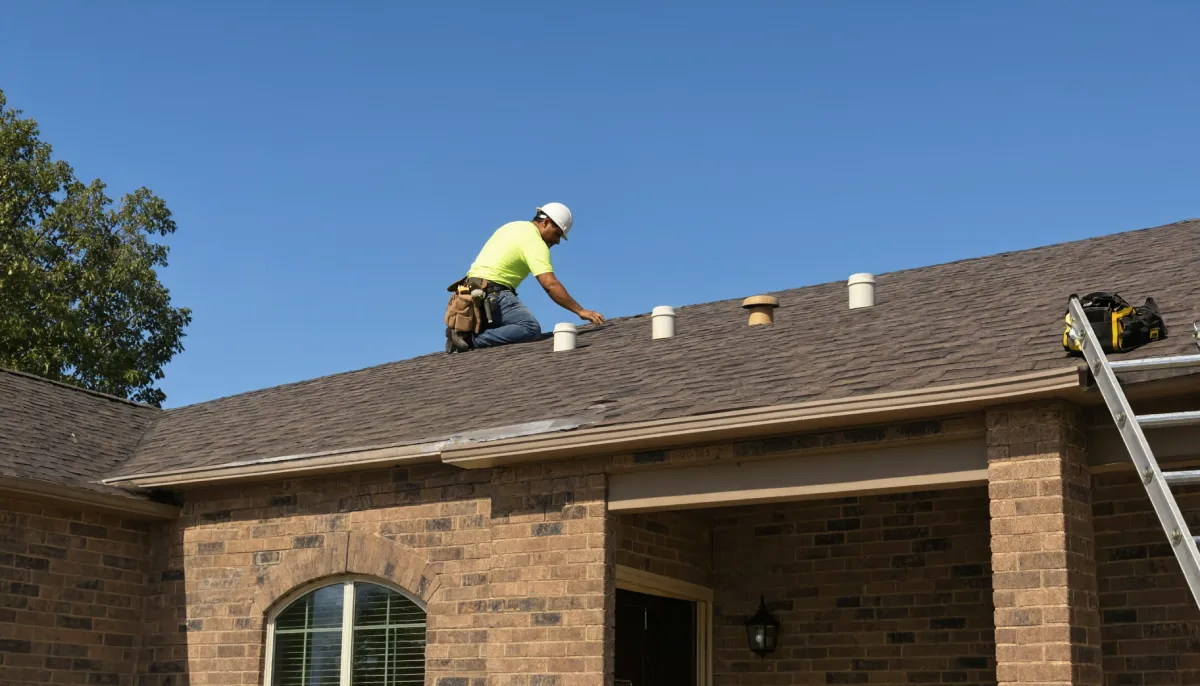
Best Roofing Materials for the Texas Climate
The best roofing material for most Texas homes is architectural asphalt shingles rated for high wind and impact resistance, though metal roofing is a strong long-term option in hail-heavy regions.
Here’s how the main options compare for Texas conditions:
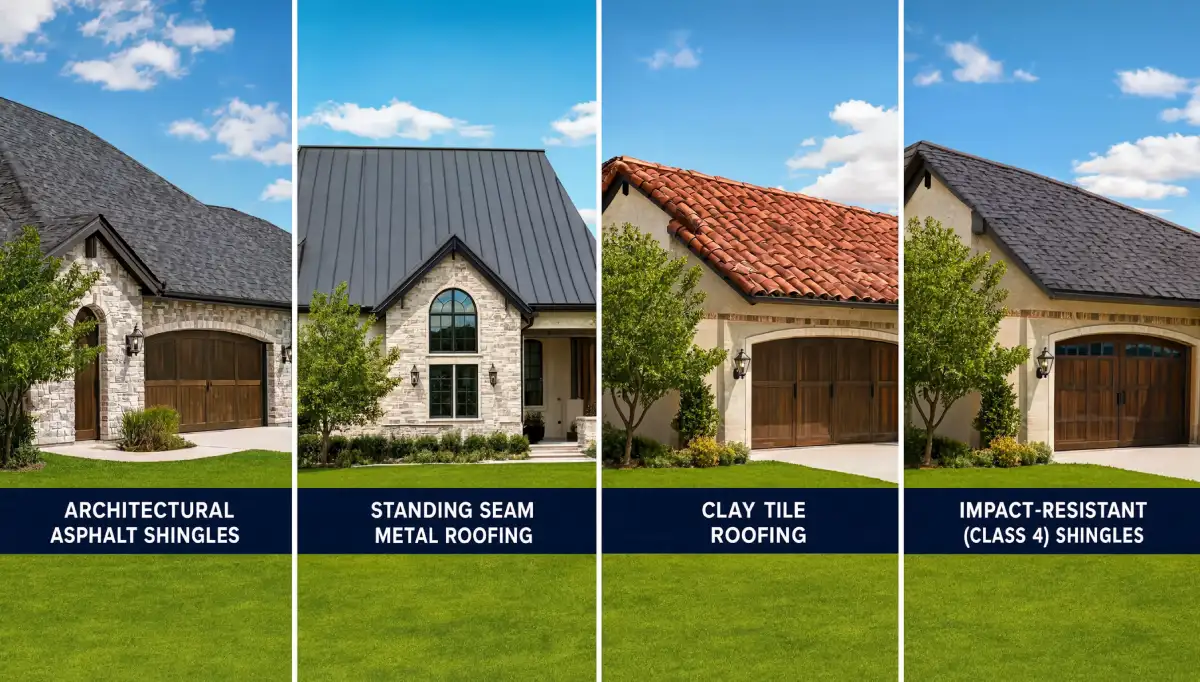
- Asphalt shingles (architectural): Most common choice, affordable, wide color range, 20–30 year lifespan in Texas heat if properly ventilated.
- Metal roofing (standing seam or metal shingles): Reflects heat, can reduce cooling costs, holds up well to hail, lasts 40–60 years, higher upfront cost.
- Clay or concrete tile: Popular in Central and South Texas for its heat resistance and Spanish-style aesthetic, but heavier and requires reinforced framing.
- Impact-resistant (Class 4) shingles: Specifically engineered for hail, they often qualify homeowners for insurance discounts in hail-prone counties.
A common mistake I see in North Texas is homeowners choosing standard shingles right after a hailstorm, only to face the same damage again within a few years. Paying more upfront for Class 4 shingles usually pays off through fewer claims and lower premiums.
Comparison Table: Roofing Materials in Texas
| Material | Initial Cost | Long-Term Cost | Durability | Maintenance | Installation Difficulty | Best Use Case |
|---|---|---|---|---|---|---|
| Architectural Asphalt Shingles | Low | Moderate | 20–30 years | Low | Easy | Most single-family homes |
| Metal (Standing Seam) | High | Low | 40–60 years | Very Low | Moderate–High | Long-term owners, hail zones |
| Clay/Concrete Tile | High | Moderate | 50+ years | Moderate | High | Central/South Texas homes |
| Class 4 Impact Shingles | Moderate–High | Low | 25–30 years | Low | Easy–Moderate | Hail-prone counties |
Pros and Cons of Replacing Your Roof
Pros:
- Restores full protection against Texas heat, hail, and storms
- Can lower energy bills with reflective or metal materials
- Often required before selling a home, especially with an aging roof
- May qualify for insurance premium reductions with impact-resistant materials
Cons:
- high upfront cost, especially for metal or tile
- Disruptive process, typically one to three days of noise and debris
- Timing matters, since roofing during peak summer heat can slow crews and affect shingle sealing
- Insurance claims for hail damage don’t always cover full replacement, depending on the policy’s depreciation terms
Cost Breakdown: Low, Mid, and High Budget
| Budget Tier | Price Range (USD) | What’s Included |
|---|---|---|
| Low Budget | $9,000 – $13,000 | Standard architectural asphalt shingles, basic tear-off, standard vents |
| Mid Budget | $13,000 – $18,000 | Upgraded architectural shingles or Class 4 impact shingles, improved ventilation, and new flashing |
| High Budget | $18,000 – $30,000+ | Standing seam metal or tile roofing, full ventilation upgrade, premium underlayment, extended warranty |
Texas-specific cost notes:
- Homes in hail-prone counties (Dallas, Tarrant, Collin) often see higher quotes due to demand spikes after storm season.
- Coastal areas near Houston and Galveston may require additional wind mitigation features, adding to material cost.
- Labor costs in Austin and Dallas tend to run higher than in smaller Texas cities due to demand and cost of living.
- Larger lot sizes common in Texas suburbs don’t affect roof cost directly, but detached garages or workshops with roofs add to the total project.
Cost Breakdown by Roof Size
| Home Size (sq ft) | Approximate Roof Squares | Estimated Cost Range |
|---|---|---|
| 1,500 sq ft | 15–18 squares | $8,500 – $16,000 |
| 2,500 sq ft | 22–26 squares | $12,000 – $22,000 |
| 3,500 sq ft | 30–35 squares | $16,000 – $30,000 |
A “square” in roofing covers 100 square feet. Roof pitch, number of layers being removed, and accessibility all affect the final labor quote, sometimes by several thousand dollars on larger homes.
Common Mistakes Homeowners Make
Several patterns show up again and again on Texas roofing projects:
- Skipping the ventilation check. Homeowners replace shingles without addressing attic airflow, then wonder why the new roof degrades quickly.
- Choosing the lowest bid without checking licensing. Texas doesn’t require statewide roofing contractor licensing, so vetting matters more here than in states with stricter rules.
- Filing insurance claims too late after a storm. Most policies have a claim window, and waiting months to report hail damage can result in denial.
- Ignoring flashing around chimneys and vents. Leaks often start at these transition points, not the shingle field itself.
- Assuming all “impact-resistant” shingles are equal. Only Class 4-rated products carry meaningful insurance benefits in most Texas markets.
DIY vs Professional Help
Roof replacement in Texas is not a practical DIY project for most homeowners, and this is one area where hiring a licensed, insured roofing contractor is the right call rather than a fallback option.
The risks go beyond the physical danger of working on a steep roof in Texas heat. Improper installation can void manufacturer warranties, and mistakes with underlayment or flashing often aren’t visible until a leak shows up months later. Insurance companies also tend to scrutinize self-installed roofs more closely during hail claims.
Where homeowners can reasonably do their own work: minor repairs, gutter cleaning, and inspecting for visible damage after a storm. Full tear-off and replacement should go to a licensed contractor, ideally one with local Texas wind and hail experience, not just a general roofing background.
When vetting a contractor, ask for:
- Proof of Texas liability insurance and workers’ compensation coverage
- A local business address and references from recent Texas projects
- A written estimate specifying material brand, warranty terms, and a tear-off scope
- Confirmation of who pulls the permit, since this varies by city
Permits and Local Regulations in Texas
Permit requirements for roof replacement vary significantly by city in Texas. Houston, Dallas, Austin, and San Antonio each have separate building departments with their own permit fees and inspection timelines.
In most cases, a straightforward like-for-like roof replacement (same material, same structure) requires a permit but not a full plan review. Homeowners planning to switch materials, such as moving from asphalt to tile, may trigger a structural review to confirm the roof framing can handle the added weight.
A licensed contractor typically handles the permit application, but homeowners should confirm this in writing before work begins. Skipping a required permit can create problems later during a home sale, when the missing permit shows up in a title search or inspection report.

Insurance and Hail Damage Considerations
Texas ranks among the states with the highest hail claim frequency in the country, particularly across North Texas and the Panhandle. Homeowners dealing with storm damage should understand a few things before filing:
- Most policies require filing within a set window after the storm, often 12 months, though this varies by insurer.
- An adjuster’s initial assessment isn’t always final. A second opinion from a roofing contractor experienced with insurance claims can catch missed damage.
- Actual cash value (ACV) policies pay out based on the depreciated roof value, while replacement cost value (RCV) policies cover the full replacement, minus the deductible.
- Installing Class 4 impact-resistant shingles after a claim can lower future premiums with many Texas insurers.
Practical Tips for Texas Homeowners
- Get at least three written quotes before choosing a contractor, and compare scope, not just price.
- Ask specifically about attic ventilation as part of any roofing estimate.
- Schedule roof replacement in spring or fall when possible, since extreme summer heat can affect shingle sealing.
- Check contractor reviews for storm-chasing red flags, especially after major hail events.
- Visit Home Depot or Lowe’s to compare shingle samples and warranty documentation before committing to a brand.
- Confirm in writing who is responsible for pulling the permit and scheduling inspections.
- Ask your insurance agent directly whether Class 4 shingles qualify for a premium discount in your area.
- Keep dated photos of your roof’s condition before and after any hailstorm, even if you’re not filing a claim yet.
FAQs
How much does roof replacement cost in Texas?
Most Texas homeowners pay between $9,000 and $22,000 for a full roof replacement, depending on home size, material, and location. Metal or tile roofing pushes costs higher, while standard architectural asphalt shingles remain the most affordable and widely used option.
Can I DIY a roof replacement on my Texas home?
Full roof replacement is not recommended as a DIY project due to safety risks, warranty requirements, and insurance implications. Minor repairs and inspections are reasonable for homeowners to handle, but tear-off and installation should go to a licensed contractor.
Do I need a permit for roof replacement in Texas?
Yes, most Texas cities require a permit for roof replacement, even for like-for-like material swaps. Requirements and fees vary by city, so check with your local building department or confirm with your contractor before work starts.
Is roof replacement worth it for Texas homeowners?
Roof replacement is generally worth it when a roof is past its expected lifespan or has storm damage, since it protects the home’s structure and can improve resale value. The return depends on material choice and how close the home is to a sale.
How long does a roof replacement take in Texas?
Most single-family home roof replacements take one to three days, depending on roof size, material, and weather. Metal or tile installations can take longer due to more complex installation methods.
What’s the best time of year to replace a roof in Texas?
Spring and fall generally offer the best conditions, avoiding extreme summer heat that can affect shingle sealing and winter cold snaps that can slow installation. Contractors also tend to have more availability outside peak storm season.
Will homeowners’ insurance cover my new roof?
Insurance typically covers roof replacement only when damage results from a covered event, like hail or wind, not from normal wear and aging. Review your policy’s ACV versus RCV terms to understand how much you’d actually receive.
How do I know if my roof needs full replacement versus repair?
Widespread granule loss, multiple leak points, sagging decking, or roof age beyond 20 years typically point toward replacement rather than repair. A contractor inspection can confirm whether the repair is still a reasonable option.
Does a new roof increase home value in Texas?
A new roof generally improves resale value and can be a deciding factor for buyers, especially in a state where roof age is closely checked during home inspections. It won’t fully return its cost in resale value alone, but it removes a common negotiation point.
What size crew works on a typical Texas roof replacement?
Most residential roofing crews in Texas range from four to eight workers, allowing tear-off and installation to happen in a single day for average-sized homes. Larger or more complex roofs may require a longer timeline or a second crew.
Conclusion
Roof replacement in Texas comes down to a few core decisions: which material fits your climate and budget, whether your home sits in a hail-prone area, and which licensed contractor you trust with the job. Architectural asphalt shingles work well for most budgets, while metal and Class 4 impact-resistant options make sense for homeowners planning to stay long-term or living in storm-heavy counties.
Before signing a contract, confirm permit responsibility, check your insurance policy’s ACV versus RCV terms, and get multiple written quotes. Texas roofs face real climate stress from heat, UV exposure, and hail, so the material and installation quality matter more here than in milder states. Taking the time to compare options now avoids costly surprises later.
