

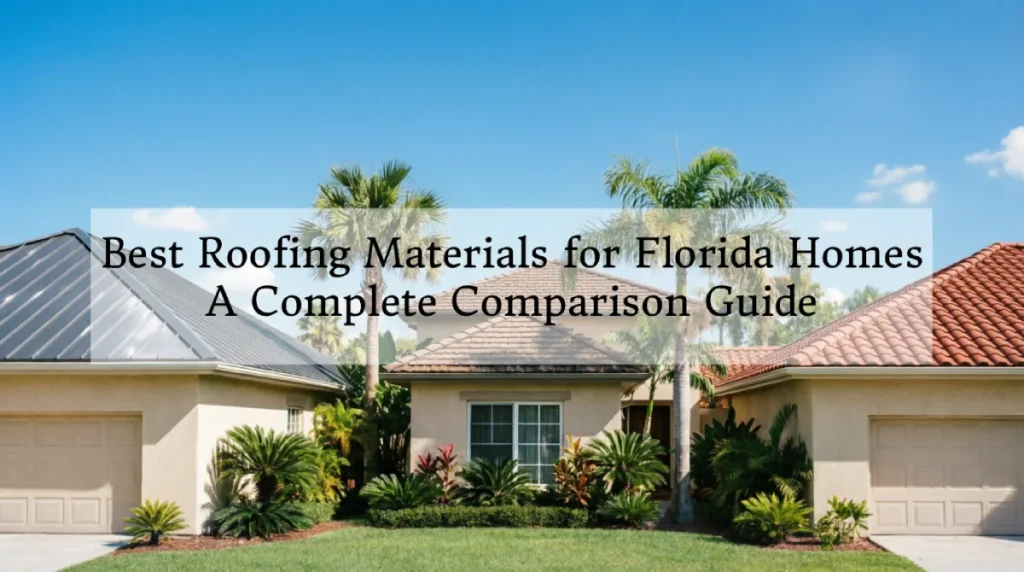
The best roofing materials for Florida homes are metal, architectural asphalt shingles, and concrete or clay tile, because all three can meet Florida’s wind and impact codes when installed correctly. Metal roofing offers the strongest wind resistance and the longest lifespan, while architectural shingles remain the most budget-friendly option that still meets code. For most single-family homes outside coastal wind zones, architectural shingles rated for 130 mph winds strike a reasonable balance between upfront cost and hurricane protection. Homes in coastal counties or HOA communities with strict aesthetic rules often do better with metal or tile. The right choice depends on your budget, your county’s wind speed requirements, and how long you plan to stay in the home.
Understanding Roofing Materials for Florida Homes
Florida is not a state where you pick a roof based on looks alone. The Florida Building Code requires roofing systems to meet specific wind uplift and impact resistance standards, and those requirements get stricter the closer you are to the coast. In High-Velocity Hurricane Zones like Miami-Dade and Broward counties, roofing materials and installation methods face additional scrutiny that doesn’t apply in inland counties like Orlando or Ocala.
I’ve walked homeowners through roof replacements after three different hurricane seasons, and the pattern is consistent: the roofs that fail rarely fail because of poor material choice. They fail because of poor installation, skipped underlayment steps, or contractors who cut corners on fastener spacing to save time. Material selection matters, but it only pays off when paired with proper installation in accordance with code.
For Florida homes specifically, three factors drive material decisions more than anywhere else in the country: wind rating, heat and UV exposure, and humidity-related mold or algae growth. A roofing material that performs well in Ohio or Colorado may perform poorly here simply because it wasn’t designed for sustained 90-degree heat and 70 percent humidity for six months of the year.
Best Roofing Materials for Florida’s Climate
Architectural Asphalt Shingles
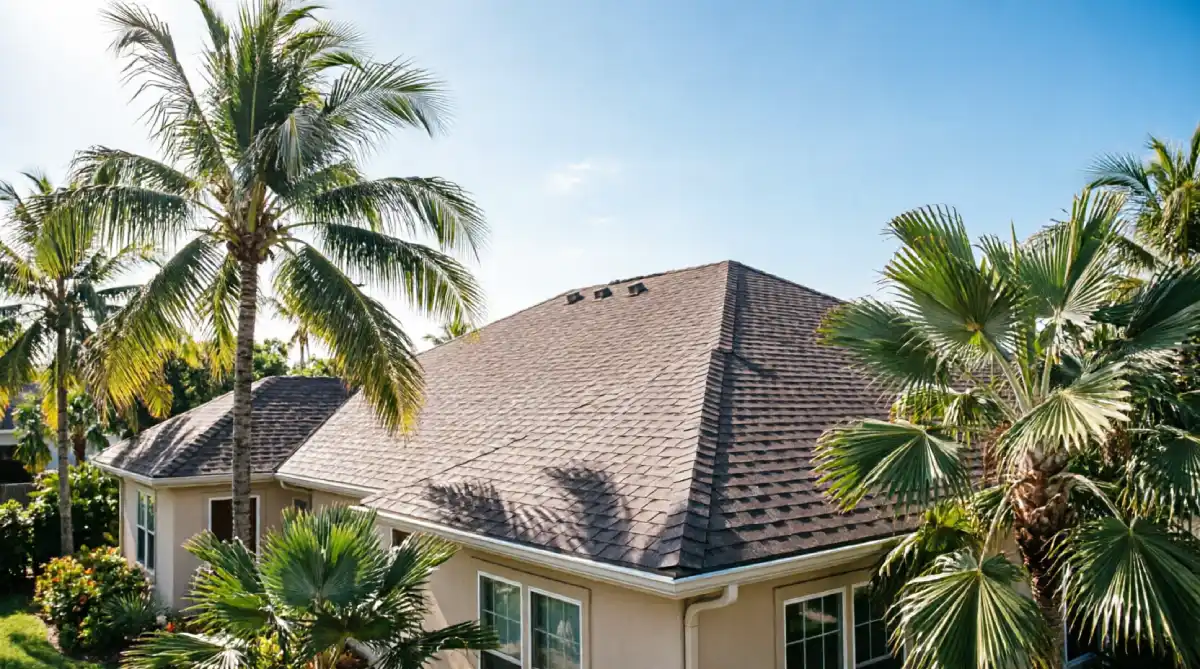
Architectural (dimensional) shingles are the most common roofing material on Florida single-family homes today. Manufacturers now produce shingles specifically rated for high-wind regions, with wind warranties reaching 130 to 150 mph when installed with the correct nailing pattern and underlayment.
Why homeowners choose them: Lower upfront cost, wide style and color selection, and straightforward repairs if a section is damaged.
Where they fall short: Standard 20-year shingles tend to underperform in Florida’s heat, often needing replacement closer to 15 years instead of the rated lifespan. Algae staining is also common in humid climates unless you choose algae-resistant (AR) shingles with copper granules.
Metal Roofing
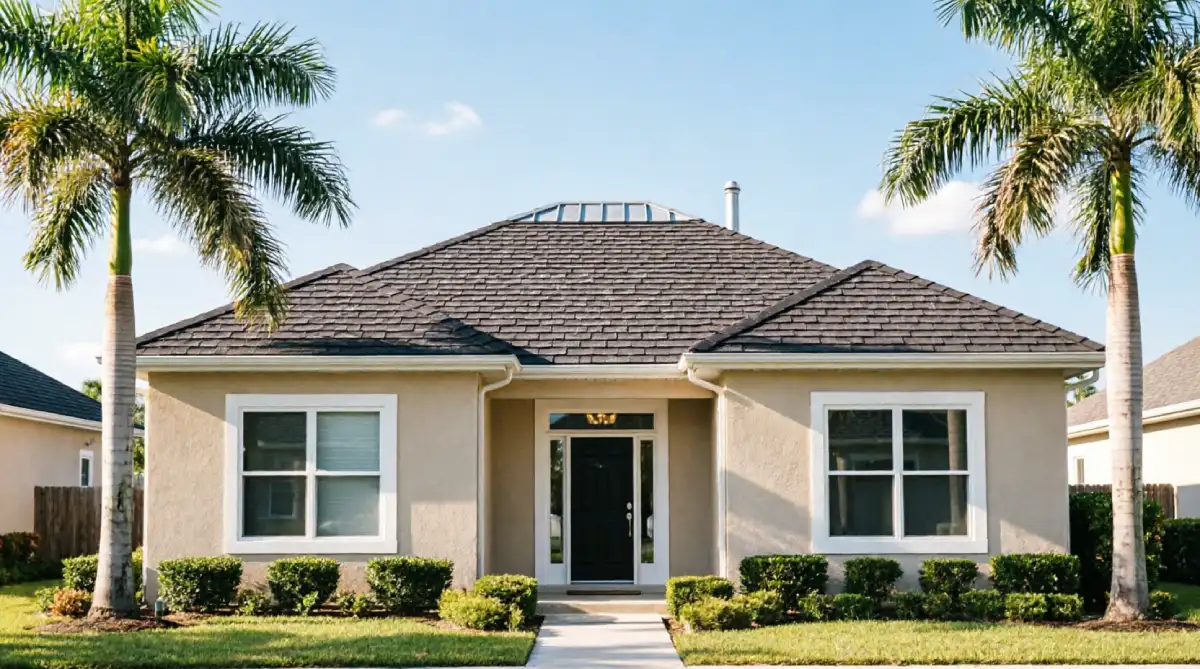
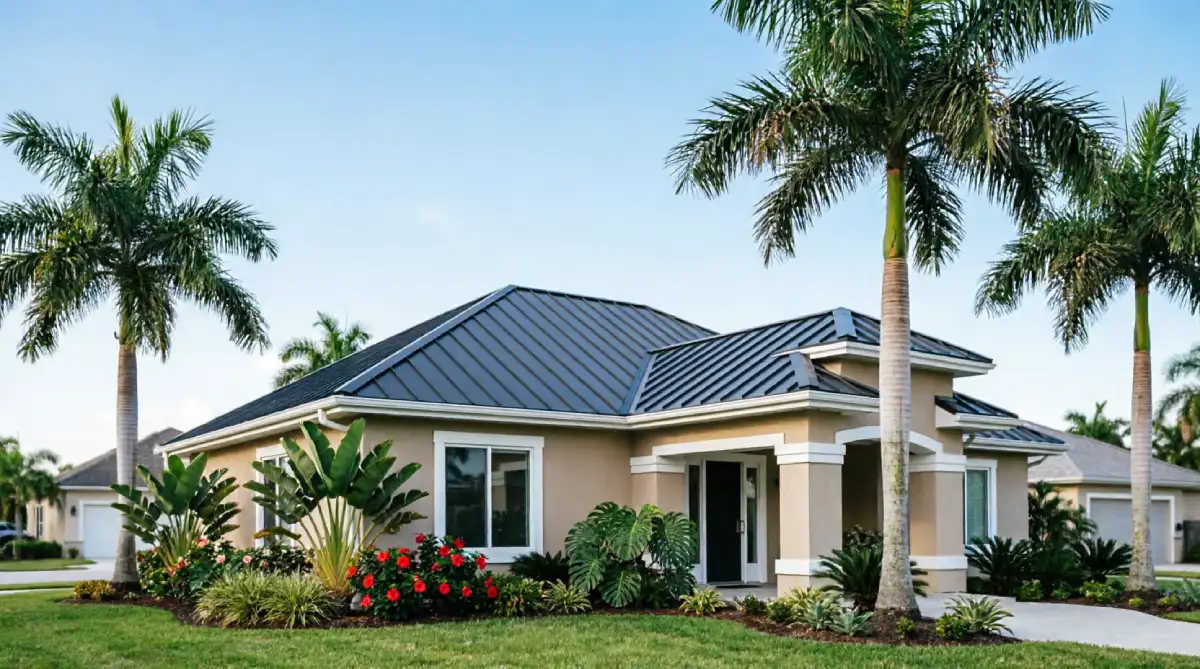
Metal roofing, whether standing seam panels or metal shingles, has become increasingly popular in Florida over the last decade, particularly after major storms exposed the weaknesses of older shingle roofs.
Why homeowners choose it: Metal roofs can be rated for winds up to 160 to 180 mph, reflect heat rather than absorbing it (which can lower cooling costs), and typically last 40 to 70 years with minimal maintenance.
Where it falls short: Higher upfront cost, and in a direct thunderstorm, metal roofs are louder unless proper insulation and decking are used. Some HOAs also restrict metal roofing on aesthetic grounds, so check your HOA covenant before committing.
Concrete and Clay Tile
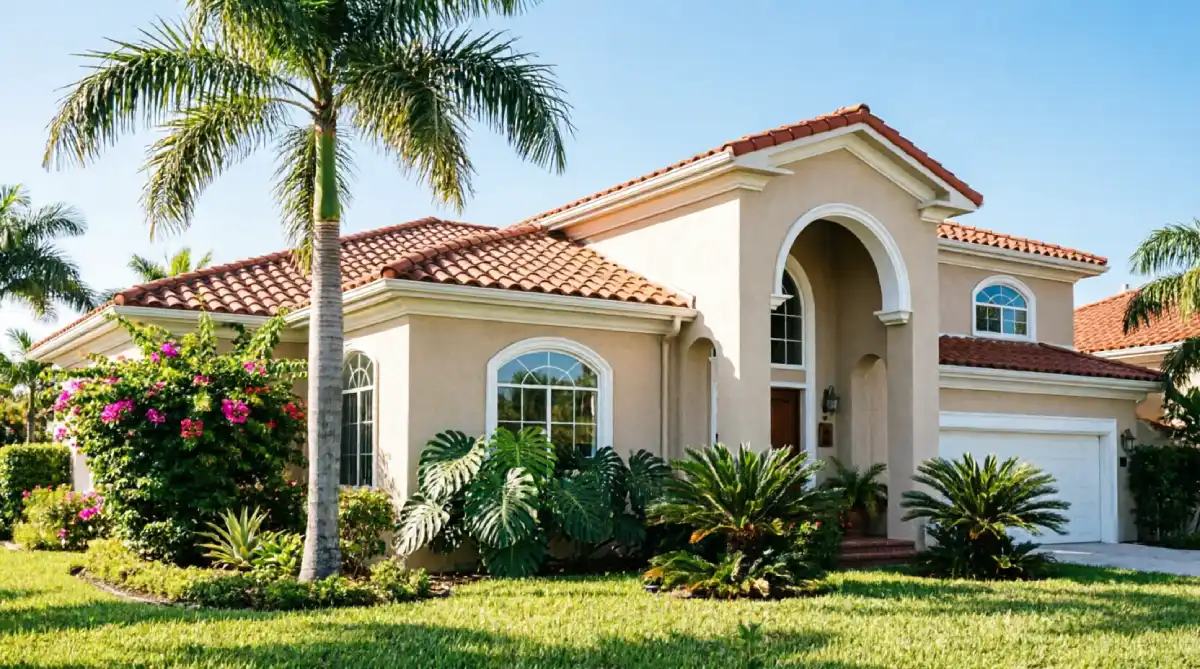
Tile roofing is a Florida staple, especially in Spanish-style and Mediterranean-style homes across Central and South Florida.
Why homeowners choose it: Excellent heat resistance, long lifespan (50-plus years for the tile itself), and a look that matches many Florida HOA aesthetic requirements.
Where it falls short: Individual tiles can crack from impact (falling branches, foot traffic during repairs), and the underlayment beneath the tile typically needs replacement every 20 to 25 years, even though the tile itself lasts much longer. Tile is also heavier, so older homes may need a structural review before installation.
Metal Roof vs Shingles: Which Is Better for Florida Homes
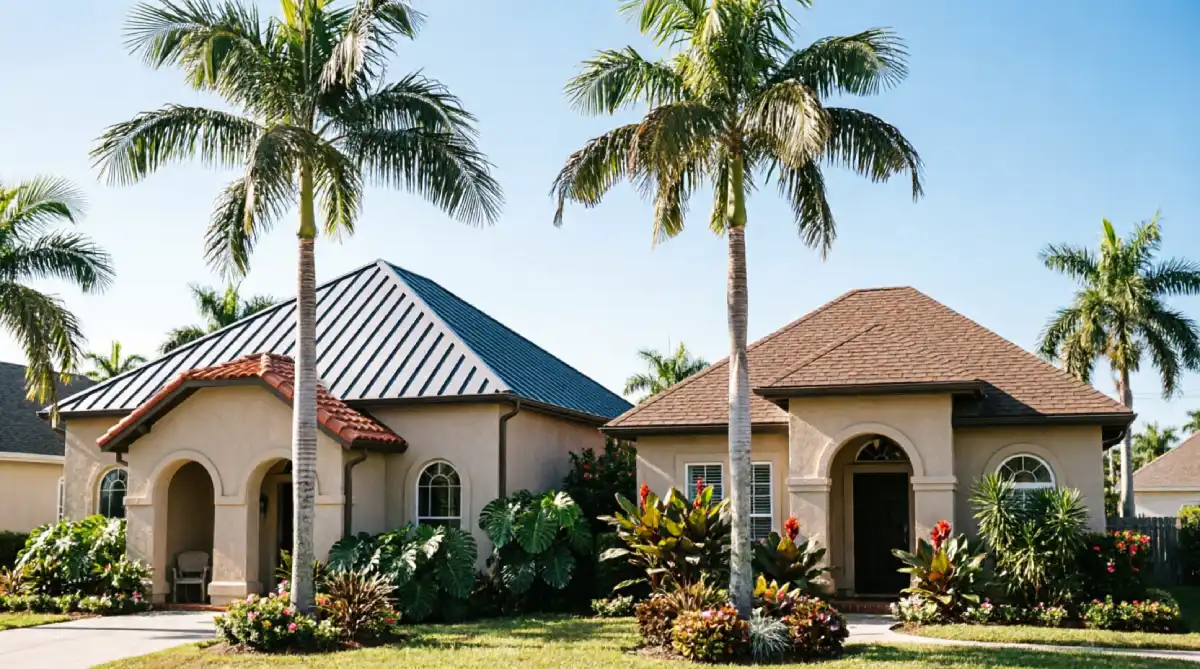
A metal roof generally outperforms shingles in Florida for wind resistance, longevity, and heat reflection, but shingles cost significantly less upfront and are easier to repair in sections. For homeowners planning to stay in their house 20-plus years, metal roofing usually pays for itself through fewer replacements and potential insurance discounts. For homeowners who may sell within 10 years, architectural shingles often make more financial sense.
Insurance is a real factor in this decision. Many Florida insurers offer wind mitigation discounts for metal roofing and other impact-resistant systems, and some companies have become more selective about insuring homes with aging shingle roofs. I’ve seen homeowners get 2026 renewal notices requiring roof replacement before coverage would continue, simply because the shingles were past 15 years old. It’s worth calling your insurance carrier before finalizing a material choice, since the discount structure can shift the true cost comparison.
Comparison Table: Roofing Materials for Florida Homes
| Material | Initial Cost | Long-Term Cost | Durability | Maintenance | Installation Difficulty | Best Use Case |
|---|---|---|---|---|---|---|
| Architectural Shingles | Low | Moderate (more frequent replacement) | 15–20 years in FL climate | Moderate (algae, granule loss) | Easy to moderate | Budget-conscious homeowners, inland counties |
| Metal Roofing (standing seam) | High | Low (fewer replacements) | 40–70 years | Low | Moderate to difficult | Long-term owners, coastal wind zones |
| Concrete/Clay Tile | High | Moderate (underlayment replacement needed) | 50+ years (tile), 20–25 years (underlayment) | Moderate | Difficult, specialty labor | Mediterranean-style homes, HOA aesthetic requirements |
| Flat/Low-Slope Membrane (TPO, modified bitumen) | Moderate | Moderate | 15–25 years | Moderate to high | Moderate | Additions, porches, or homes with low-slope sections |
Pros and Cons of Popular Roofing Materials
Architectural Shingles
- Pros: Affordable, wide style selection, familiar to most local contractors
- Cons: Shorter lifespan in Florida heat, more prone to algae staining, lower wind rating than metal
Metal Roofing
- Pros: Best wind performance, longest lifespan, reflects heat, potential insurance savings
- Cons: Highest upfront cost, HOA restrictions in some communities, requires specialty installers
Concrete/Clay Tile
- Pros: Excellent heat resistance, long material lifespan, matches Florida architectural styles
- Cons: Heavy (may require structural assessment), individual tiles can crack, and underlayment needs periodic replacement
Cost Breakdown: Roofing Materials for Florida Homes (Low / Mid / High Budget)
| Budget Tier | Material | Estimated Cost Range (Installed) |
|---|---|---|
| Low Budget | 3-tab or basic architectural shingles | $6,000 – $10,000 for an average single-family roof |
| Mid Budget | Premium architectural shingles or entry-level metal panels | $10,000 – $18,000 |
| High Budget | Standing seam metal, concrete tile, or clay tile | $18,000 – $35,000+ |
Florida-specific cost notes:
- Homes in Miami-Dade and Broward counties (High-Velocity Hurricane Zones) typically pay 10 to 20 percent more due to stricter code compliance and additional inspection requirements.
- Tile roof installation costs rise further on older homes that need structural reinforcement to support the added weight.
- Permit fees in most Florida counties for a full roof replacement range from $150 to $500, though this varies by municipality.
- Insurance wind mitigation inspections, often required for discounts, typically add $75 to $150 but can pay for themselves through premium reductions.
Common Mistakes Florida Homeowners Make
- Choosing the cheapest bid without checking the wind rating documentation. A shingle that isn’t properly rated and installed for your county’s wind zone may void manufacturer warranties and complicate insurance claims.
- Skipping the wind mitigation inspection after a new roof. This inspection can significantly lower your homeowners insurance premium, and many homeowners simply forget to schedule it.
- Ignoring attic ventilation during replacement. Poor ventilation traps heat and moisture, shortening the lifespan of any roofing material, especially shingles.
- Assuming HOA approval isn’t needed. Many Florida HOAs have strict material and color requirements, and skipping approval can lead to costly do-overs.
- Not verifying contractor licensing and insurance. Florida requires roofing contractors to hold a state license; unlicensed work can void insurance coverage on storm-related claims.
DIY vs Professional Help
Roofing in Florida is not a reasonable DIY project for most homeowners, and this is one area where I consistently advise against cutting installation costs. Florida’s wind codes require specific fastener patterns, underlayment types, and edge detailing that differ from national standards. An improperly installed roof can void your insurance coverage entirely after storm damage, regardless of how good the material was.
Where DIY makes sense: minor repairs like replacing a handful of loose shingles, cleaning gutters, or checking for visible damage after a storm. Anything involving underlayment, flashing, or full sections of roof should go to a licensed Florida roofing contractor. Always verify the contractor’s license through the Florida Department of Business and Professional Regulation before signing a contract, and get wind mitigation documentation in writing once the job is complete.
Maintenance and Longevity by Material Type
- Shingles: Inspect twice a year, especially after hurricane season. Watch for granule loss in gutters, curling edges, and algae streaking.
- Metal: Check fasteners and sealant at panel seams every couple of years. Minimal maintenance otherwise, but coastal salt exposure can accelerate wear near the beach.
- Tile: Avoid unnecessary foot traffic, which cracks individual tiles. Have the underlayment inspected around year 15 to catch leaks before they cause interior damage.
Regardless of material, schedule a professional roof inspection before hurricane season each year. Small issues caught in May are far cheaper to fix than storm damage discovered in October.
Related Factors Homeowners Should Consider
- HOA approval timelines: Some HOAs take several weeks to approve roofing applications, so factor this into your project timeline, especially if storm damage requires a faster turnaround.
- Home resale plans: If you plan to sell within a few years, prioritize a roof that satisfies buyer expectations and passes a standard 4-point insurance inspection rather than the highest-end material available.
- Solar panel plans: If solar is a future possibility, metal standing seam roofs simplify panel mounting compared to shingles or tile, since brackets can clamp directly to the seams without penetrating the roof.
- Structural age of the home: Older homes considering tile should have a licensed engineer confirm the roof structure can support the added weight before moving forward.
FAQs
How much does a new roof cost in Florida?
Most Florida homeowners pay between $6,000 and $18,000 for a standard architectural shingle or entry-level metal roof, with premium metal or tile roofs reaching $18,000 to $35,000 or more, depending on home size and wind zone requirements.
Can I DIY a roof replacement on my Florida home?
Full roof replacement is not recommended as a DIY project in Florida due to strict wind and building code requirements. Minor repairs, like a few loose shingles, are reasonable for a handy homeowner, but underlayment and flashing work should go to a licensed contractor.
Do I need a permit for a new roof in Florida?
Yes, nearly all Florida counties require a building permit for roof replacement, along with inspections at various stages. Permit costs generally range from $150 to $500, and skipping this step can create problems when selling the home or filing an insurance claim.
Is metal roofing worth it for Florida homeowners?
Metal roofing is worth it for homeowners planning to stay in their home long-term, since it offers 40 to 70 years of life, strong wind performance, and potential insurance discounts. It’s a harder case to justify for homeowners planning to sell within 5 to 10 years.
What roofing material lasts longest in Florida’s climate?
Metal roofing typically lasts the longest in Florida, often 40 to 70 years, followed by concrete and clay tile at 50-plus years for the tile itself, though the underlayment beneath tile needs earlier replacement.
Will a new roof lower my homeowners’ insurance in Florida?
A new roof, particularly one with a wind mitigation inspection showing hurricane straps, impact-resistant materials, or a secondary water barrier, can lower Florida homeowners’ insurance premiums. Savings vary by insurer, so ask your agent for specifics before choosing a material.
How do I know if my roof meets Florida’s wind code?
Ask your contractor for the product approval number (Florida Product Approval or Miami-Dade NOA) for the specific material and confirm the installation method matches the wind speed rating required in your county. This documentation is also needed for insurance discounts.
Are algae-resistant shingles worth the extra cost in Florida?
Algae-resistant (AR) shingles are generally worth the modest price difference in Florida’s humid climate, since standard shingles often develop dark algae streaking within a few years, which can affect curb appeal and, in some cases, HOA compliance.
Does my HOA restrict which roofing materials I can use?
Many Florida HOAs restrict roofing materials, colors, or styles to maintain neighborhood consistency, particularly in tile-roof communities. Always review your HOA covenant and get written approval before ordering materials.
Conclusion
Choosing the best roofing material for a Florida home comes down to three decisions: how long you plan to stay in the house, how much wind protection your county requires, and how much you’re willing to spend upfront versus over time. Architectural shingles remain the practical choice for homeowners focused on upfront cost, while metal roofing makes sense for those staying long-term or living in higher wind zones. Tile suits homeowners in HOA communities with aesthetic requirements or existing Mediterranean-style architecture. Whatever material you choose, confirm the wind rating documentation, pull the required permit, and schedule a wind mitigation inspection afterward. These steps protect both your home and your insurance coverage when the next storm season arrives.
