

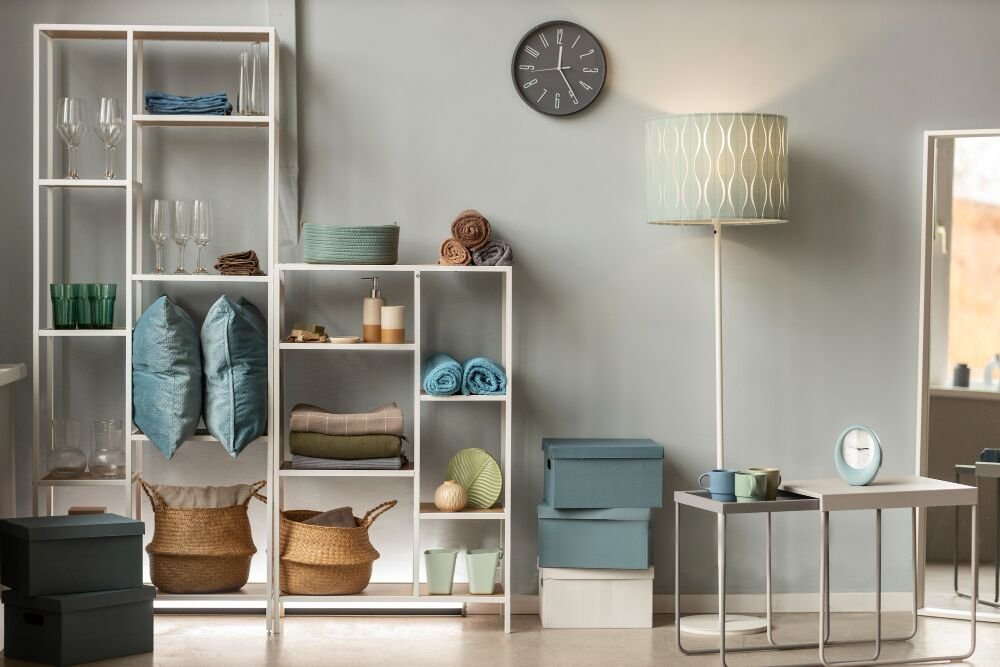
Are you tired of rummaging through a cluttered closet, struggling to find what you need? Organizing your closet is the key to a stress-free morning routine and a stylish, clutter-free space. Whether you have a walk-in closet or a small one, these closet organization ideas will help you transform even the most chaotic space into a functional, visually appealing haven — no celebrity-sized wardrobe required.
Essential Elements of Closet Design for Maximum Efficiency
Optimizing closet space with the right closet organization system
The foundation of an organized closet starts with choosing the right closet system. A modular closet system with adjustable shelves, hanging rods, and drawers gives you the flexibility to customize your layout as your wardrobe changes over time. But before investing in any system, the most important step is editing what you already own.
As designer Lisa Adams of L.A. Closet Design puts it, keep only what you truly love and part ways with the rest. A practical rule of thumb: if you haven’t worn something in the past year, it’s time to donate or discard it. Once you’ve reduced the volume, organizing what remains becomes a much simpler task.
From there, a few foundational upgrades make an immediate impact. Switching to slim, non-slip velvet hangers is one of the easiest changes — they take up roughly half the space of bulky plastic hangers, prevent clothes from slipping onto the floor, and create a uniform visual line that makes your wardrobe easier to scan at a glance.
For folded items like T-shirts and casual pants, the file folding method is worth learning. Instead of stacking clothes flat on top of each other, fold each piece so it stands upright like a file folder in your drawer. You’ll see every item at once, which eliminates the need to dig through piles and keeps drawers consistently tidy.
Choosing the right closet storage options for small closets
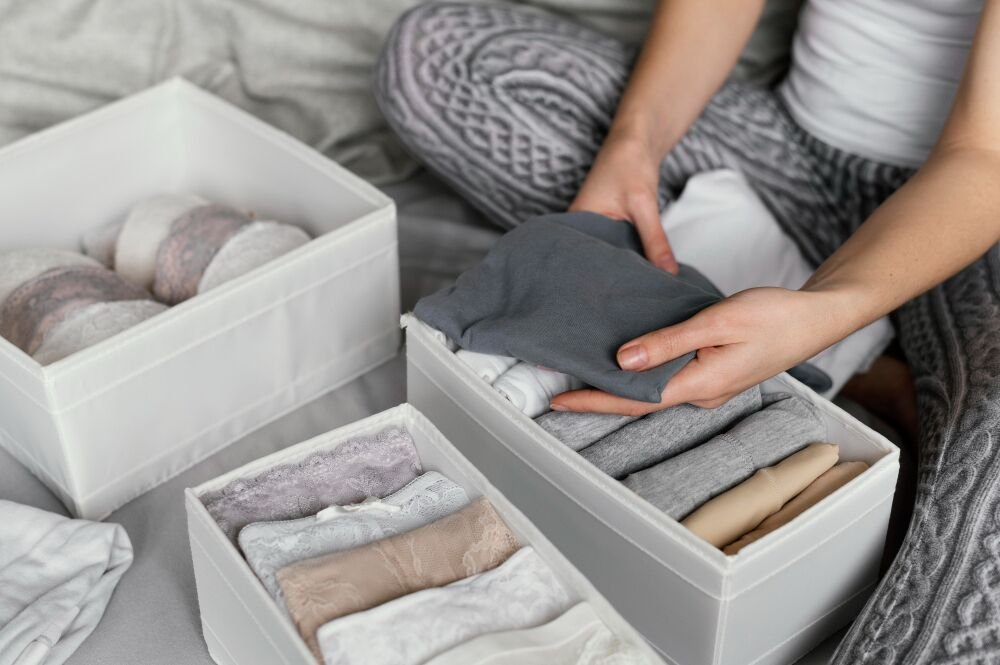
If you have a small closet, maximizing every inch of space is essential. Vertical space is your greatest asset — over-the-door organizers, hanging shelves, and wall-mounted racks all help you use the full height of your closet without taking up floor space.
Over-the-door organizers come in several forms, and choosing the right type depends on what you need to store. A mesh cubby organizer with individual compartments works well for shoes, rolled T-shirts, and small accessories. A tiered towel-style rack hung on the inside of the door is better suited for scarves, ties, and belts — items that drape naturally and stay wrinkle-free when hung rather than folded.
Consider adding a second hanging rod at a higher level for shorter garments like shirts and folded pants. This effectively doubles your hanging space without requiring additional floor area, and it frees up the lower section for a shoe rack or storage bins.
Integrating organizers and drawers for easy access
No matter the size of your closet, organizers and drawers make daily routines smoother. Drawer dividers keep small items like socks, belts, and undergarments separated and visible — no more digging through a jumbled mess to find a matching pair. If your drawers are deep, use adjustable dividers to create custom compartments that prevent items from getting lost at the back.
Shelf dividers serve a similar purpose for open shelving. They keep stacks of folded sweaters, jeans, or linens from toppling into each other, so you can pull out what you need without disturbing the rest. Coated steel dividers are the most durable option and slide onto most standard shelves without tools.
For jewelry and small accessories, a catch-all tray placed on a dresser or shelf gives you a designated spot to drop items at the end of the day. It prevents necklaces from tangling and keeps rings from disappearing. For a larger collection, a dedicated jewelry organizer — whether an acrylic box, a wall-mounted display, or a freestanding armoire — keeps everything visible and untangled, making it easier to accessorize your outfits.
Smart Storage Solutions: From Bins to Baskets
Utilizing bins and baskets for efficient storage of small items
Bins and baskets are versatile tools that can bring order to the loose, hard-to-store items in your closet. Use them to corral scarves, hats, gloves, and accessories that tend to get scattered across shelves.
Clear acrylic bins are particularly useful because you can see what’s inside without opening them — a small detail that saves significant time during busy mornings. Woven or fabric baskets offer a cleaner aesthetic for items you’d rather keep out of sight, like workout gear or seasonal accessories. Whichever style you choose, labeling each bin makes it far easier to maintain the system long-term.
How to select the best organizers for every type of closet
The right organizer depends on your closet type and what you’re storing. For a walk-in closet, freestanding shelving units, cubbies, and even a garment rack can extend your hanging capacity. A garment rack placed against a wall or in a corner works well for coats, frequently worn jackets, or outfits you’re planning to wear — it keeps them visible and easily accessible without crowding your main hanging rod.
In a smaller closet, hanging organizers and over-the-door racks are the most space-efficient options. Look for designs that mount securely and don’t swing or wobble when you open the door.
For shoes, the best approach depends on your collection size. A stackable shoe rack is ideal for a moderate number of pairs and can grow with your collection. For larger collections, cube-style shelving arranged in a wall configuration keeps every pair visible at a glance. If floor space is truly limited, a slim shoe cabinet that sits flush against a wall can hold a surprising number of pairs in a narrow footprint.
Maximizing wall space with vertical storage options
When floor space is limited, look up. Vertical storage options like wall-mounted shelves, hooks, and hanging rods help you use the full height of your closet, keeping frequently used items within reach while pushing less-used items higher.
Simple wall hooks are surprisingly effective — they can hold belts, necklaces, scarves, hats, and handbags, turning an empty stretch of wall into functional storage. Choose hooks with rounded edges to prevent snagging delicate fabrics.
A valet rod is another underused addition. It pulls out from the wall when you need it and tucks away when you don’t, giving you a temporary spot to hang tomorrow’s outfit, a shirt that needs steaming, or dry cleaning waiting to be put away. It’s a small installation that streamlines your daily routine noticeably.
Maximizing Your Walk-In Closet with Innovative Ideas
Walk-in closet essentials: making the most of your space
A walk-in closet offers room to breathe, but without a clear system, it can become just as cluttered as a smaller one. Start by dividing the space into zones based on clothing type — dresses and long garments in one section, tops in another, pants and skirts in a third. This zoned approach means you always know where to look and where to put things back.
Within each zone, arrange items by color from light to dark. This isn’t just an aesthetic choice — it’s a practical one. When everything follows a consistent visual order, you can find specific pieces faster and spot gaps in your wardrobe more easily. Professional closet organizers often borrow this technique from retail visual merchandising, where the goal is the same: make every item easy to see and grab.
Dedicate specific areas for accessories, too. A jewelry armoire or a wall-mounted organizer keeps necklaces, bracelets, and earrings untangled and within arm’s reach. A separate shelf or set of hooks for handbags prevents them from being stacked and crushed on top of each other.
Shelving ideas that enhance walk-in closet functionality
In a walk-in closet, shelving is your most versatile tool. Adjustable shelves let you reconfigure the space as your needs change — taller sections for boots and handbags, shorter ones for folded sweaters and jeans.
Shelf dividers are essential for keeping folded stacks from collapsing into each other. Without them, pulling one sweater from the middle of a pile can send the whole stack sideways. Slim steel dividers slide onto shelves without hardware and maintain neat boundaries between categories.
For displaying shoes, consider brass or chrome rods mounted at a slight angle — heels hook over the rod while the soles rest flat below. This keeps your best pairs visible and creates a boutique-like display. Below the rods, place baskets for flats, sandals, and sneakers that don’t hang as well. For handbags, clear acrylic or glass shelf partitions allow you to store bags upright without them toppling, while still keeping the full collection visible at a glance.
Adding a mix of storage solutions for a functional space
A well-designed walk-in closet combines several types of storage rather than relying on just one. Hanging rods handle garments that wrinkle easily. Shelves and drawers accommodate folded items. Baskets and bins contain loose accessories. Together, they ensure everything has a designated home.
A floor-length mirror is both practical and spatially strategic — it lets you check your outfit from head to toe while reflecting light to make the closet feel larger and brighter. If your walk-in has room, a small bench or ottoman makes putting on shoes more comfortable and adds a polished, finished look to the space.
Don’t overlook the logistics of dirty clothes, either. A laundry sorter with multiple compartments placed inside or near the closet lets you pre-sort darks, lights, and delicates as you undress. It saves time on laundry day and prevents worn clothes from piling up on the floor.
How to Organize Small Closets for Maximum Style and Space
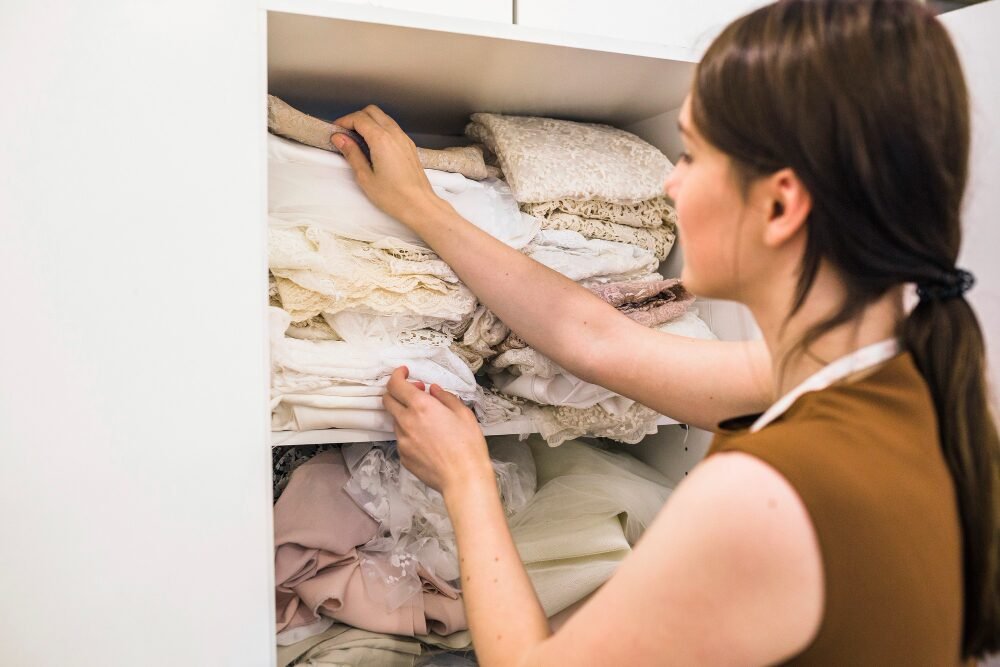
Small closet hacks: making the most of limited space
A small closet demands a more intentional approach, but it can absolutely be functional and stylish. Begin by decluttering aggressively — remove anything you haven’t worn in a year, anything that doesn’t fit, and anything that’s damaged beyond repair. The less you’re storing, the easier every other solution becomes.
Once you’ve edited down, maximize your hanging space with a second rod installed below the existing one. Use the upper rod for longer items like dresses and coats, and the lower rod for shirts, folded pants, and skirts. This single change can nearly double your usable hanging area.
Apply the file folding method to any items you keep in drawers or on shelves — folded upright, clothes take up less space and remain fully visible. For off-season items like heavy sweaters or winter coats, vacuum-sealed storage bags compress bulky garments down to a fraction of their size, freeing up shelf or bin space for what you’re currently wearing.
Effective use of closet organizers and shelves in small spaces
In a small closet, every inch counts. Invest in organizers designed for compact spaces — narrow hanging cubbies that attach to your closet rod can hold folded T-shirts, leggings, or bags without taking up hanging space. Over-the-door organizers provide bonus storage for shoes, accessories, or items you reach for daily.
If you have open shelving, shelf dividers are especially valuable in tight spaces where stacked items are more prone to toppling. They create clear boundaries between categories and prevent the slow entropy that turns neat piles into messy heaps over the course of a week.
For items that don’t fit in the closet at all, look beyond it. Under-bed storage drawers are an excellent extension of a small closet — they glide out easily for regular access and work well for off-season clothes, extra linens, or bulky items you don’t need every day. Think of them as a satellite closet that uses space most people leave empty.
Strategies for storing small accessories and shoes in compact closets
Small accessories and shoes are the quickest clutter culprits in a tight closet. Clear plastic bins or hanging organizers keep belts, socks, and jewelry visible and easy to grab. For jewelry specifically, a small tray or dish placed on a shelf or dresser top gives you a place to quickly drop pieces at the end of the day — it’s not a permanent storage solution, but it prevents items from getting lost on the floor.
For shoes, a stackable shoe rack that fits at the bottom of your closet keeps pairs organized and off the floor. If you’re short on floor space entirely, an over-the-door shoe organizer with individual pockets can hold sneakers, sandals, and flats without consuming any closet floor area.
Handbags deserve their own approach. In a small closet, shower curtain rings clipped onto your main hanging rod create instant purse hooks — each bag hangs separately, stays visible, and doesn’t take up shelf space. For a collection you’re proud of, a wall-mounted rack or a set of open shelves inside the closet turns your bags into a display rather than a pile.
Declutter Your Closet with These Professional Tips
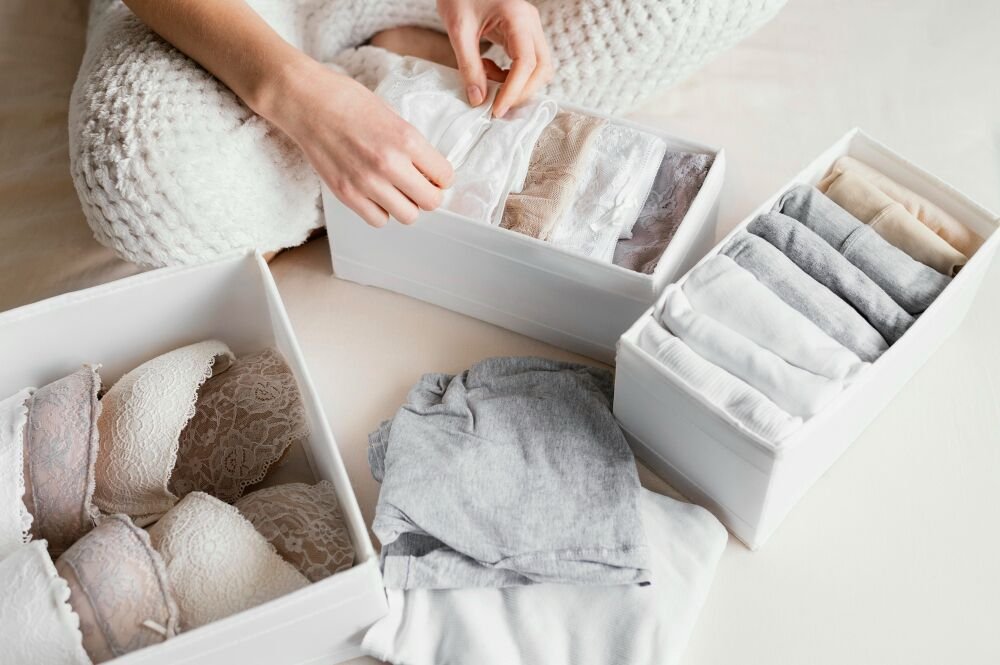
The art of decluttering your closet for better visibility and access
Start by taking everything out — yes, everything. Seeing your closet empty gives you a clear picture of the space you’re working with and forces you to make deliberate decisions about what goes back in.
Sort every item into three categories: keep, donate, and discard. Be honest during this process. That shirt you bought three years ago and never wore? The jeans that almost fit? They’re taking up space that could be used for items you actually reach for. The standard guideline is straightforward: if you haven’t worn it in twelve months, it likely doesn’t belong in your closet anymore.
To make this an ongoing habit rather than a one-time project, set up two small baskets in a hallway closet or bedroom corner — one for items to donate and one for pieces that need mending, tailoring, or dry cleaning. Give yourself a deadline each month to drop off donations and handle repairs. This prevents the slow re-accumulation of clutter that happens when there’s no system for things leaving the closet.
Essential closet organization tips to keep your space tidy
Maintaining an organized closet requires a few consistent habits. Group clothing by type — tops together, then pants, then dresses, and so on. Within each group, arrange items by color from light to dark. This retail-inspired approach isn’t just visually satisfying; it makes finding specific pieces significantly faster because your eyes can scan a predictable pattern.
Rotate seasonal items to keep your most-worn pieces in the most accessible spots. Off-season clothes can move to higher shelves, under-bed storage, or vacuum-sealed bags — wherever they’re out of the way but not forgotten. When the season shifts, rotate them back to the front and move the outgoing season to secondary storage.
Tips for dealing with bulky items and maximizing storage space
Bulky items — heavy sweaters, blankets, off-season coats — can consume an outsized share of your closet if not managed carefully. Vacuum-sealed storage bags are one of the most effective solutions: they compress soft items down to a fraction of their original volume, making them easy to stack on high shelves or slide under a bed. Just avoid using them for down-filled or foam items stored for more than a year, as prolonged compression can permanently affect their shape.
For items you need to access occasionally, stackable bins with lids placed on the highest shelf keep things protected from dust while remaining easy to pull down when needed. Label each bin clearly so you don’t have to open multiple containers to find what you’re looking for.
If your closet lacks high shelving, consider adding a shelf near the ceiling. It’s dead space in most closets, but it’s ideal for luggage, seasonal storage bins, and items you only use a few times a year.
Styling Your Closet: Creative Ideas to Elevate Its Look
A well-organized closet doesn’t have to look purely utilitarian. With a few intentional design choices, it can feel like a natural extension of your personal style — a space you actually enjoy being in every morning.
Getting creative with wallpaper and decorative elements
Adding wallpaper to the back wall or ceiling of your closet is one of the simplest ways to make it feel finished rather than forgotten. Peel-and-stick wallpaper in a grasscloth texture, subtle pattern, or bold color works especially well — it’s easy to install and just as easy to remove if you want a change later.
Lighting plays an equally important role. Overhead downlights alone can cast unflattering shadows and make it hard to distinguish between similar colors like navy and black. Layer your lighting with a mix of recessed fixtures, LED strip lights installed under shelves or along hanging rods, and a small sconce or decorative pendant. Light from multiple angles makes the space feel more open and ensures you can see your clothes accurately.
A small rug underfoot adds warmth and makes the closet feel like a proper room rather than a storage afterthought. Choose something easy to clean — a low-pile cotton rug or a faux sheepskin throw works well in a high-traffic closet.
Using clear storage bins and built-ins for an organized aesthetic
Clear storage bins serve a dual purpose: they keep belongings organized and create a clean, cohesive look when lined up on shelves. Because you can see the contents from the outside, you spend less time searching and more time getting dressed. Adding simple labels or chalkboard tags to each bin takes the guesswork out entirely.
Matching hangers contribute more to visual cohesion than most people realize. When every hanger is the same style and color, your eye goes to the clothes, not the hardware. Slim velvet hangers in a single color create the cleanest look, but even color-coding hangers by category (one color for blouses, another for jackets) adds a functional layer of organization while keeping things visually consistent.
Incorporating a mix of hanging items to enhance visual appeal
A stylish closet isn’t limited to hanging clothes on rods. Use a combination of hooks, racks, and open shelving to display scarves, belts, hats, and statement jewelry. When your favorite accessories are visible and accessible, you’re more likely to actually wear them.
A floor-length mirror — whether mounted on the inside of a door or leaned against a wall — is one of the most impactful additions you can make. It provides a head-to-toe view for outfit checks, and its reflective surface bounces light around the room, making even a small closet feel significantly more spacious and bright.
Don’t be afraid to showcase pieces that bring you joy. A dedicated shelf for a curated handbag collection, a row of heels displayed on angled rods, or a framed photo from a favorite fashion moment can turn your closet into a space that reflects your taste — not just stores your clothes.
FAQs
What is the most efficient way to organize a closet?
The most efficient approach starts with decluttering — remove anything you haven’t worn in a year and sort the rest into clear keep, donate, and discard piles. Then invest in a closet system with adjustable shelves, hanging rods, and drawers that fits your space. Group items by clothing type and color, use shelf dividers and drawer organizers to maintain order, and add storage solutions like bins, baskets, and over-the-door racks for accessories and shoes.
How do I organize a small closet with too many clothes?
Start by editing your wardrobe down to items you genuinely wear and love. Then maximize vertical space: install a second hanging rod for shorter garments, use over-the-door organizers for shoes and accessories, and add wall-mounted hooks for bags and scarves. File-fold items in drawers to see everything at once, and move off-season clothes to under-bed storage or vacuum-sealed bags on high shelves. Slim velvet hangers save up to 50% more space than standard hangers, which adds up quickly in a tight closet.
How do I organize a custom walk-in closet?
Divide the space into dedicated zones for different categories — one section for tops, another for pants, a separate area for dresses and longer garments. Use adjustable shelves and shelf dividers to keep folded items tidy, and incorporate drawers or drawer organizers for small accessories. Add specialized storage for shoes (angled display rods or cubbies), handbags (glass partitions or open shelving), and jewelry (a tray, armoire, or wall-mounted organizer). Finish with layered lighting, a floor-length mirror, and a few personal touches like a rug or decorative elements to make the space feel complete.
