


Moving an entire office feels overwhelming at first—but with a clear plan and the right support, you’ll navigate the process smoothly and actually finish with less stress than you expected. This guide walks you through a 30-day countdown to relocate your office furniture efficiently—with zero guesswork. We’ll cover everything from creating a timeline to hiring professional movers. Let’s dive in!
How Do You Plan to Relocate Office Furniture?
Planning is key when it comes to relocating office furniture. A well-thought-out plan can save you time, money, and a lot of headaches. Let’s break down the essential steps to get you started.
Creating a Moving Office Timeline
The first step in your office move should be creating a timeline. This helps you stay organized and ensures nothing falls through the cracks. Here’s a simple 30-day countdown to guide you:
- 30 days before: Assign a move coordinator, create a master checklist in Asana or Monday.com, and schedule a walkthrough with your new facility manager to confirm power, network, and access logistics
- 25 days before: Begin inventory of furniture and equipment using Sortly to photograph items, tag by department, and generate scannable QR labels
- 20 days before: Research and hire professional commercial relocation services—request quotes from 3+ vendors and verify licensing
- 15 days before: Start packing non-essential items; label boxes with destination room and priority level
- 10 days before: Confirm details with your moving company, including arrival window, elevator reservations, and loading dock access
- 5 days before: Pack remaining items, disassemble furniture per manufacturer guidelines, and back up all digital equipment
- Moving day: Oversee the move with your floor plan in hand, verify item counts against inventory, and address any issues immediately
This timeline adapts to your reality: scale tasks up for a 50-person office or streamline them for a small team—what matters is keeping momentum, not checking every box perfectly.
Identifying and Preparing Furniture
Next, take stock of all your office furniture. This includes desks, chairs, cabinets, and any other pieces of furniture you plan to relocate. Make a list and decide what you’ll keep, sell, or donate.
Streamline inventory with Sortly: photograph each item, tag by department or condition, and generate QR code labels that movers can scan during loading—ensuring nothing gets misplaced in transit.
For furniture you’re keeping, start preparing it for the move:
- Clean all items thoroughly with appropriate cleaners for wood, metal, or fabric surfaces
- Remove any personal items from desks and drawers; secure confidential documents separately
- Secure loose parts or detachable components with painter’s tape; label hardware bags by furniture piece
- Take photos of your current setup for reference during reassembly
Hiring Professional Mover Services
While you might be tempted to handle the move yourself, hiring a moving company specializing in commercial relocation can save you time and stress. Professional furniture movers have the experience and equipment to relocate your office furniture safely and efficiently.
When choosing a moving company, consider:
- Their experience with office moves of your scale and industry
- Customer reviews and ratings on trusted platforms like Google Business or BBB
- Insurance coverage details and claims process
- Transparent, itemized cost estimates with no hidden fees
Don’t be afraid to ask questions. A good moving company will be happy to assist you and address any concerns with documentation.
What Are the Best Practices for Furniture Moving?
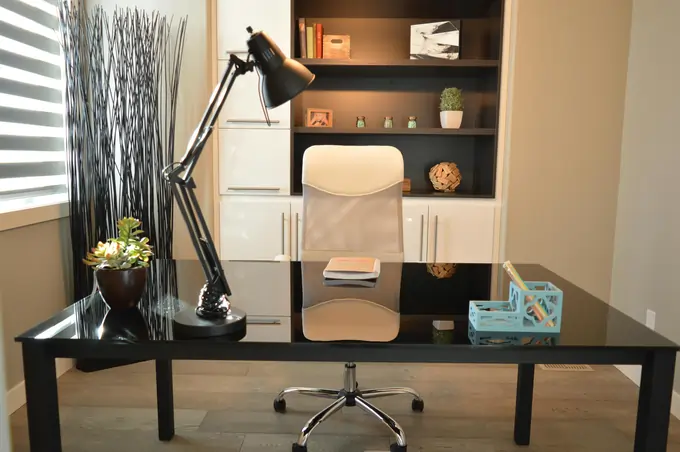
Now that you have a plan, let’s look at some best practices to relocate office furniture. These tips will help ensure your furniture arrives at your new location in good condition.
How to Lift and Move Office Furniture Safely?
Moving heavy office furniture can be dangerous if not done correctly. Follow OSHA-recommended protocols and NIOSH ergonomic guidelines:
- Always lift with your legs, not your back; keep loads within 18 inches of your body
- Use proper lifting techniques: engage your core, avoid twisting, and use pivot turns
- Get help for heavy items over 50 lbs—don’t try to lift them alone; use team lifting protocols
- Use dollies or hand trucks rated for 1,000+ lbs for heavy desks and cabinets
No desk or filing cabinet is worth a back injury—if a piece feels unwieldy, pause and grab a teammate or use a dolly. Smart moves keep your team healthy and your timeline on track.
Using Proper Equipment for Relocation
The right equipment can make your move much easier. Here are some essential tools categorized by use case:
- For heavy items: Heavy-duty furniture dolly (1,000-lb capacity) with non-marking wheels and lifting straps
- For floor protection: Felt furniture sliders on hardwood, rubber mats on carpet to prevent scratches
- For padding: Anti-static bubble wrap for electronics; moving blankets or anti-scratch pads for wood surfaces
- For organization: Heavy-duty packing tape, color-coded labels, and marker pens
Your moving company should provide most of these tools. If you’re handling some of the move yourself, you can rent or buy these items from commercial moving supply vendors.
Essential Tips for Disassembling and Reassembling Furniture
Some furniture may need to be taken apart for the move. Here are some tips:
- Take photos before disassembly from multiple angles for reference
- Keep all screws and small parts in labeled, sealed bags taped to the corresponding furniture piece
- Wrap detachable parts in bubble wrap or anti-static sleeves
- Follow the manufacturer’s instructions for disassembly to avoid voiding warranties
When you reach your new office, reverse the process to reassemble. Having photos and labeled parts will make this much easier.
How Can You Efficiently Rearrange Office Equipment?
Rearranging your office equipment in your new space requires careful planning. Let’s look at some strategies to make this process smoother.
Planning and Logistics for Office Furniture Moving

Before moving day, draft your new office layout using MagicPlan: snap photos of your new space, input exact dimensions, and virtually place desks and cabinets before moving day—reducing costly on-site rearrangements. This will help you:
- Decide where each piece of furniture will go based on workflow and team structure
- Identify any potential issues with space, power outlets, or network cabling
- Guide the moving teams on where to place items with room-by-room labels
Share this plan with your movers. They can use it to unload furniture in the right spots, saving you time and effort.
Creating Labels and Packing Properly
Proper labeling is crucial for an organized move. Here are some labeling tips:
- Use color-coded labels for different departments or areas (e.g., blue for IT, green for admin)
- Clearly mark fragile items with “FRAGILE” stickers on multiple sides
- Label boxes with their contents and destination room using large, legible print
- Use numbered labels to keep track of total items and verify delivery completeness
When packing, use quality packing materials to protect your office belongings. Wrap fragile items in bubble wrap and use blankets to pad furniture edges and surfaces.
Engaging Office Movers for Corporate Relocation
For a corporate office move, professional office movers specializing in commercial relocation services are invaluable. They can handle the entire process, from packing to unloading at your new location.
Good office movers will:
- Provide all necessary packing supplies, including specialty materials for electronics
- Use proper techniques to move heavy items with equipment like stair climbers or lift gates
- Ensure your furniture arrives safely and efficiently with real-time tracking
- Help set up your new office space per your floor plan, including basic furniture assembly
When experts handle the heavy lifting and logistics, you free up mental bandwidth to manage client communications, staff coordination, and the strategic parts of your relocation.
Why Should You Hire Professional Movers?
Considering a DIY office move? Here’s why partnering with professional movers often saves time, reduces risk, and protects your equipment—so you can focus on your business, not heavy lifting. Commercial moving specialists bring trained teams, specialized equipment for heavy furniture, and business relocation insurance that covers your assets during transit.
Whether you need a full-scale corporate relocation or assistance with specific high-value pieces, experienced movers adapt to your scope. Their professionalism and care during transit minimize downtime and ensure your workspace is operational faster.
You might wonder if hiring professional movers is worth it. Let’s explore the benefits and how to choose the right moving service.
Benefits of Using Moving Services
Professional moving services offer several advantages:
- Expertise: They know how to handle all types of office furniture, including ergonomic workstations and modular systems
- Equipment: They have the right tools for heavy items, from furniture dollies to hydraulic lift gates
- Efficiency: They can complete the move faster than you could on your own, reducing business interruption
- Safety: They’re trained in proper lifting techniques and OSHA-compliant handling protocols
- Insurance: Verify coverage details: Released Value protection (included) covers ~60¢/lb per item, while Full Replacement Value coverage reimburses actual repair or replacement costs—critical for electronics and specialized furniture
These benefits can make your move much smoother and less stressful.
Selecting the Right Office Movers
Not all movers are created equal. Here’s what to look for in office movers:
- Experience with corporate moves in your industry and scale
- Positive reviews from other businesses on trusted third-party platforms
- Clear, detailed cost estimates with no hidden fees or surprise charges
- Proper licensing, USDOT number verification, and adequate insurance coverage
- Availability on your preferred moving date with contingency planning
Don’t be afraid to ask for references. A reputable company will be glad to provide them.
Understanding Nationwide Commercial Relocation Options
If you’re moving to a different state, you’ll need a moving company that handles nationwide commercial moves. These companies offer additional services like:
- Long-distance transportation with GPS-tracked vehicles
- Short- or long-term storage options with climate control
- Coordination between multiple locations for phased relocations
When choosing a nationwide mover, make sure they’re familiar with regulations in both your current and new locations, including state-specific licensing requirements.
What Are Common Challenges in Commercial Relocation?
Thinking about commercial relocation? It requires strategic planning. Moving heavy objects like office furniture and configuring cubicles and single offices demands precision—you can’t just load items randomly and expect a seamless setup in your new space.
That’s why many businesses partner with specialist teams who understand secure loading protocols and on-site setup. These professionals ensure your furniture is rearranged and configured properly on-site, so you can get back up and running with minimal downtime.
Reviewing expert moving resources can also provide tips and tricks for a streamlined relocation. Whether you’re moving multiple workstations or a single executive office, knowing how to leverage professional furniture moving and rearranging services makes a measurable difference. Factor in your new space layout and workflow needs when planning your move.
Even with careful planning, you may face some challenges during your office move. Let’s look at some common issues and how to handle them.
Dealing with Heavy Office Furniture
Heavy office furniture can be a major challenge. Here are some tips:
- Use proper equipment like dollies, lifting straps, and furniture pads rated for commercial use
- Break down large items if possible, following manufacturer guidelines to reduce weight and bulk
- Clear a path before moving heavy pieces: remove obstacles, secure rugs, and verify door widths
- Consider professional help for extremely heavy items like executive desks or server cabinets
Remember, safety should always come first when dealing with heavy items—protect your team and your assets.
Managing an Entire Office Move Efficiently
Moving an entire office requires coordination and attention to detail. Some strategies to help:
- Assign team leaders for different aspects of the move: IT, facilities, HR, and vendor coordination
- Create a detailed inventory of all items with photos, serial numbers, and condition notes
- Communicate regularly with your moving company via a shared project channel for real-time updates
- Have a contingency plan for unexpected issues: weather delays, access problems, or last-minute scope changes
With good management, you can keep your move on track and minimize interruptions to your business operations.
Overcoming Last-Minute Logistics Hurdles
No matter how well you plan, last-minute issues can arise. Here’s how to handle them:
- Stay flexible and ready to adjust your plan: have backup dates or alternative routing options
- Keep open communication with your moving team via a dedicated point of contact for rapid decisions
- Have extra packing supplies on hand: tape, labels, bubble wrap, and furniture pads
- Prepare for potential delays or changes: build buffer time into your timeline and budget
Remember, a proactive, solution-focused mindset can go a long way in managing unexpected challenges.
FAQs
Q: What is the most cost-effective way to move office furniture?
A: For small offices (<10 desks), renting a truck and doing it yourself may save upfront costs. For larger relocations, professional movers often prove more cost-effective when factoring in labor time, equipment rental, insurance, and damage risk. Get 3+ quotes and compare total value, not just price.
Q: How do you estimate the cost of moving an office?
A: To estimate moving costs, consider:
- The amount and type of furniture (modular workstations cost more than standard desks)
- Distance of the move (local vs. long-distance pricing structures differ)
- Additional services needed (packing, IT disconnection/reconnection, storage)
- Time of year (peak seas, from May–to September, ber typically costs 15–30% more)
Get itemized quotes from several moving companies for the most accurate estimate.
Q: How do movers move heavy furniture?
A: Professional movers use a combination of techniques and equipment to move heavy furniture:
- Dollies and hand trucks with non-marking wheels for smooth transport
- Lifting straps and shoulder dollies to distribute weight and reduce strain
- Proper lifting technique is trained per OSHA guidelines
- Team lifting protocols for items over 75 lbs or with awkward dimensions
They also use padding and wrapping to protect furniture surfaces and edges during the move.
Q: How much does it cost to move furniture across the US?
A: The cost to move furniture across the US varies widely based on factors like:
- Amount and type of furniture (volume and weight drive pricing)
- Distance of the move (mileage + fuel surcharges apply)
- Additional services required (packing, crating, storage, assembly)
- Time of year (summer moves cost more due to high demand)
On average, a long-distance commercial move can cost between $2,000 and $5,000+ for a small office. Always get multiple detailed quotes for the most accurate pricing.
By following this guide and working with professional movers, you can relocate your office furniture smoothly and efficiently. Remember, proper planning and the right help can turn a potentially stressful situation into a manageable process. Good luck with your move!
