

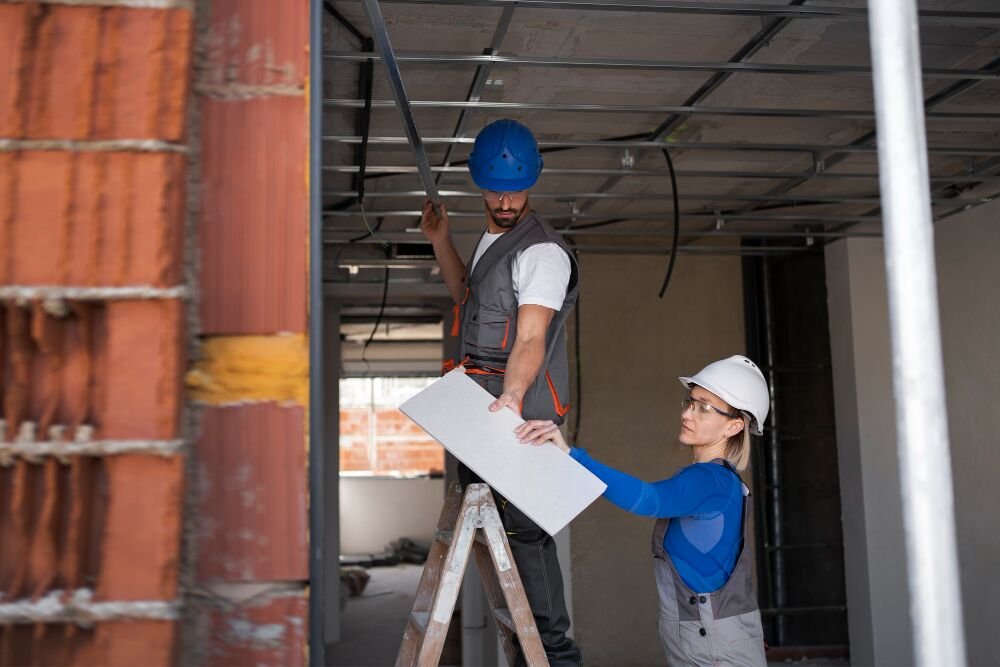
Building a new home is an exciting endeavor that involves many important decisions, one of the most critical being choosing the right materials. Selecting the best building materials for new home construction will not only impact aesthetics but also structural integrity, energy efficiency, maintenance requirements, and overall home value. From understanding cost ranges and climate performance to evaluating brand reliability and long-term durability, there are multiple layers to this decision. This comprehensive guide will walk through the key considerations when picking building materials to ensure your new home is thoughtfully and intentionally constructed.
New Home Building Materials
When starting the planning process for building a new home, one of the first steps is deciding on the materials that will be used. From the foundation and framing to the exterior finishes and everything in between, having the right materials is essential to construct a high-quality, durable, and efficient home. There are many options to evaluate when it comes to new home building materials, ranging from traditional choices like wood and concrete to more modern products like engineered wood, fiber cement, and even smart home technology.
Choosing the right materials involves analyzing factors like budget, climate, aesthetic preferences, and sustainability goals. Additionally, understanding the order of operations, from laying the foundation to finishing touches, is key to ensuring you have the necessary materials at each phase. With careful selection of lumber, masonry, insulation, roofing, siding, interior finishes, and more, you can build a custom home that meets your needs and lasts for generations.
Understanding the Main Options for New Home Building Materials
When embarking on selecting materials for building a new home, it’s helpful to understand the primary categories and options available. The main types of building materials for new home construction include:
Lumber
Lumber refers to construction materials composed of processed wood. It is a versatile, durable, and cost-effective choice for framing, exterior finishes, floors, cabinetry, and other uses. Options include:
- Dimensional lumber: Standard sizes of sawn lumber, like 2x4s and 4x4s used for framing. This can be regular lumber or engineered wood like LVL (laminated veneer lumber) beams, which offer greater strength and dimensional stability than solid-sawn alternatives.
- Plywood: Flat panels made by gluing and pressing sheets of wood together. Used for sheathing, floors, and walls. The number of ply layers directly affects stability — as hardwood flooring consultant Jeff Hosking notes, more layers restrict the expansion and contraction that causes gaps in solid wood floors during dry winter weather.
- Oriented Strand Board (OSB): Mat-formed panels made of compressed wood strands. Used as a cost-effective substitute for plywood in wall and roof sheathing.
- Wood siding: Horizontal or vertical boards applied to a home’s exterior, like cedar shake siding. Requires periodic staining or sealing to prevent moisture rot and termite damage.
- Decking: Exterior flooring designed for decks, often pressure-treated lumber.
For homeowners focused on sustainability, looking for FSC (Forest Stewardship Council) certified lumber ensures the wood was harvested from responsibly managed forests. Engineered wood products like LVL beams and I-joists also use less raw timber while delivering consistent structural performance.
Concrete
Known for its compressive strength, durability, and fire resistance, concrete is a common choice for foundations, slabs, and walkways. Options include:
- Poured concrete: Wet concrete poured into forms to create foundations and slabs. Reinforced with rebar and wire mesh for added tensile strength.
- Concrete blocks: Pre-formed blocks used to build foundations and retaining walls.
- Concrete pavers: Interlocking blocks used for patios, walkways, and driveways. Products like Belgard’s dry-cast concrete slabs are colored with nonfading iron oxides and sealed to resist wear and stains, with a typical resealing cycle of about 10 years. Quality pavers generally run from $8 per square foot.
- Polymer-modified concrete resurfacers: For existing concrete surfaces that have become rough or spalled, modern polymer-modified mixes form a chemical bond with the substrate that is actually stronger than the original concrete itself — a significant improvement over older resurfacing products that had a tendency to peel.
Steel
Valued for its strength, versatility, and recyclability, steel offers structural integrity for framing, roofs, and even exterior finishes. Types include:
- Structural steel: Columns, beams, and bars used as primary support structures.
- Light gauge steel framing: Thinner steel studs are used to frame interior and exterior walls. Highly resistant to fire and pests, and supports wide-open floor plans without the need for load-bearing walls.
- Corrugated steel: Formed into panels used for roofing and siding. Standing seam metal roofing, in particular, has become a popular choice for both modern and farmhouse-style homes.
Stone and Brick
Known for their durability and aesthetic appeal, natural stone and brick are common choices for home exteriors, foundations, and landscaping features.
- Natural stone: Granite, limestone, and sandstone are used for walls, cladding, and accents. Offers excellent thermal mass, meaning it absorbs heat during the day and releases it slowly at night.
- Manufactured stone veneer: An affordable alternative to natural stone. Porcelain veneers, such as ledge-look strips, offer another option — they are impervious to moisture and fading and come in a wide range of colors, typically starting from $8 per square foot.
- Brick: Used structurally or as a veneer for exterior walls and chimneys. Brick requires far less frequent painting or repair than wood siding. Some manufacturers now offer tumbled bricks that replicate the rough texture and irregular shape of handmade bricks from centuries past, typically priced around $2.60 per square foot.
- Concrete masonry units: Blocks used like brick but made with concrete.
Insulation
Proper insulation is one of the most impactful decisions for energy efficiency and long-term comfort. The right insulation keeps conditioned air inside and reduces heating and cooling costs year-round. Common insulation materials include:
- Fiberglass batts: An effective and affordable option made of spun glass fibers. Standard ratings include R-13 for walls, R-38 for attics, and R-19 for floors, though requirements vary by climate zone.
- Mineral wool: Made from fibers derived from natural sources like basalt or slag. Similar performance to fiberglass but with superior fire resistance and sound absorption.
- Cellulose: Made from recycled paper fibers and treated with fire retardant. A strong eco-friendly option.
- Rigid foam boards: EPS, XPS, and polyisocyanurate foam boards add insulation value and are often used as continuous exterior insulation to reduce thermal bridging.
- Spray foam insulation: Sprayed into cavities where it expands to insulate and reduce air leaks simultaneously. Major builders like D.R. Horton use spray foam insulation as a standard feature in their new construction homes.
- Vacuum insulated panels: For projects where space is limited, foil-wrapped vacuum insulated panels can achieve R-32 per inch — roughly 10 times the R-value of fiberglass batts — because they encase a vacuum, similar to a Thermos bottle. While more expensive (from around $20 per square foot), they are invaluable in tight cavities where conventional insulation cannot deliver adequate R-values.
When selecting insulation, consider the R-value (the measure of thermal resistance) required for your specific climate zone, as well as cost, sustainability, and installation method. Combining insulation types — for example, fiberglass batts with a layer of rigid foam board on the exterior — can maximize energy savings. Proper installation without gaps or compressions is critical so the insulation fully performs its job.
Roofing
The roof is one of the most critical barriers between your home and the elements. Material choices affect not only protection but also energy efficiency, curb appeal, and long-term maintenance costs. Common options include:
- Asphalt shingles: The most widely used roofing material in North America due to their affordability and ease of installation. Architectural (dimensional) shingles offer a longer lifespan and more visual depth than traditional 3-tab shingles.
- Metal roofing: Standing seam panels or corrugated steel offer exceptional durability, often lasting 40 to 70 years with minimal maintenance. Metal reflects solar heat, which can reduce cooling costs in warmer climates.
- Slate and tile: Natural slate and clay tiles are among the longest-lasting roofing materials, often exceeding 100 years. Porcelain roof tiles now offer a similar aesthetic — resembling slate, clay, or wood shingles — with a lifetime warranty and an expected lifespan of at least 75 years. These tiles are resistant to fading and moisture and can be used in any climate, typically starting from $3 per square foot.
- Solar-integrated roofing: Some manufacturers now offer solar thermal collectors concealed beneath natural slate, allowing homeowners to generate free hot water while maintaining a seamless roof appearance.
Windows and Doors
Windows and doors are among the most performance-sensitive components of a home envelope. Strategic selection promotes energy efficiency, security, and design cohesion. Key considerations include:
- Low-emissivity (Low-E) glass: Windows with Low-E coatings block ultraviolet rays and reduce heat transfer, helping maintain consistent indoor temperatures. Builders like Beazer and D.R. Horton specify Low-E windows as standard in their new construction. For maximum performance, triple-pane vinyl windows offer significantly better insulation than basic double-pane options.
- Interior storm windows: For existing windows or as an added efficiency layer, aluminum-framed interior storm windows form a tight seal against the jambs and stool. Well-sealed units can reduce air infiltration by up to 75 percent and cut outdoor noise by half. Energy Star-rated options with Low-E glass are available from around $150 per window.
- Insulated exterior doors: Exterior doors should be insulated and fit tightly to reduce air leaks. Insulated fiberglass doors, such as those from ThermaTru, are widely considered a benchmark for thermal performance and durability in new construction.
- Blower door testing: Builders like Beazer use blower door tests to verify that the window and door installations are properly sealed, quantifying air leakage and confirming that the home meets energy performance targets before closing up the walls.
Siding and Exterior Finishes
The outer materials define the home’s look and are the first line of defense against the weather. Key options include:
- Fiber-cement siding: Products like James Hardie’s Artisan beaded lap siding double the thickness of standard fiber-cement to 5/8 inch, allowing bold Colonial-style details to be milled into the profile. Fiber cement is resistant to rot, fire, and moisture, and typically costs around $2.60 per linear foot.
- Vinyl siding: An affordable, low-maintenance option available in many profiles and colors. Modern vinyl formulations resist fading far better than earlier generations.
- Wood siding: Offers natural warmth and character but requires regular maintenance including painting, staining, and sealing.
- Exterior weather barriers: Behind the visible siding, products like DuPont Tyvek house wrap block wind-driven rain and moisture from reaching the structural frame while allowing water vapor to escape — improving both durability and energy efficiency. Builders like Beazer use Tyvek as a standard weather-resistive barrier.
Interior Finishes
Flooring, cabinetry, countertops, railings, and other interior materials provide functionality and design. Some noteworthy options include:
- Engineered hardwood flooring: More dimensionally stable than solid hardwood due to its cross-layered plywood core construction. Some manufacturers create rich, natural-looking patinas not through stains, but through carefully controlled chemical reactions between no-VOC agents like ammonia or iron acetate and the wood tannins in the top veneer. These floors then receive multiple coats of UV-cured factory finish with abrasion-resistant aluminum oxide for lasting durability, typically starting from $11 per square foot.
- Cork flooring: Harvested from the bark of cork oak trees, cork is a sustainable, cushiony, and waterproof flooring option. Only 1/8 inch thick when installed as a sheet product, cork flooring has a proven track record — it was installed at Frank Lloyd Wright’s Fallingwater residence in 1937, and much of that original cork is still in service today. Warranted for 20 years with proper care, it starts from around $6.50 per square foot.
- Porcelain tile: Extremely durable and moisture-resistant, making it ideal for bathrooms, entryways, and kitchens. Non-slip finishes are available for wet areas.
- Quartz countertops: Durable, non-porous surfaces that resist staining and do not require sealing, making them a practical choice for kitchens and bathrooms.
- Custom tintable stains: Wood finishing has expanded beyond traditional “cherry” and “walnut.” Oil-based finishes are now available that can be mixed to any of dozens of colors in-store, or custom-tinted to match an existing hue. Both higher-VOC and low-VOC formulations are available to suit different project requirements.
Smart Home Technology
Smart home systems have become a standard expectation in new construction rather than a luxury upgrade. These technologies improve security, energy management, and daily convenience. Key categories include:
- Smart electrical panels: Wi-Fi-connected load centers replace traditional electrical panels with LED-lit circuit breakers that visually indicate whether a circuit is working, tripped, or faulted. The system can send trip alerts to a smartphone and allow homeowners to track power usage — and cost — for the entire house or individual circuits. Some panels use machine learning to identify individual appliances by analyzing electrical signatures on the main feed wires, building a detailed device list within a couple of days. As one electrician described it, these panels represent the first major change to home electrical systems in roughly a century. Smart panels typically start from around $2,500 and can be daisy-chained for larger installations with solar integration.
- Smart water management: Whole-house shutoff valves with ultrasonic sensor technology can detect and identify leaks and freezing pipes, then send smartphone notifications pinpointing where the issue is occurring. In the event of a catastrophic leak, the system can stop water flow in as little as 60 seconds. Sensitivity thresholds can be customized — for example, setting a longer trigger time while at home (to avoid false alarms during showers) and tightening it while away.
- Connected devices: Smart locks, video doorbells, programmable thermostats, and motion sensors boost security and efficiency. Builders like KB Home offer customizable smart home packages that integrate these devices from the start, including features that support aging in place for older homeowners.
Water Quality and Plumbing
Water-saving fixtures and filtration systems protect both household health and monthly utility costs. Important considerations include:
- Whole-house water filtration: With growing awareness of contaminants like PFOAs and PFOSs in municipal water supplies, whole-house filtration systems have become an important investment. The most effective carbon-block systems can remove up to 98 percent of those persistent chemicals, as well as 99 percent of lead and cysts, purifying approximately 100,000 gallons before the cartridge needs replacement. These systems typically cost around $1,799 installed.
- WaterSense-rated fixtures: Builders like KB Home install WaterSense-rated faucets, toilets, and showerheads as standard, which can reduce household water consumption by an estimated $500 per year compared to conventional fixtures.
- ENERGY STAR appliances: Dishwashers and washing machines with ENERGY STAR ratings use significantly less water and energy per cycle than standard models.
This covers the major categories of building materials to consider for new home construction. When selecting materials, it’s also helpful to think through the spaces and components of the home, from the foundation and framing to the walls, ceilings, floors, baths, and kitchen, and more. Evaluating each area’s needs will guide you in choosing suitable materials that come together into a cohesive, quality home.
Key Factors to Consider When Selecting New Home Building Materials
When evaluating the many options for building materials, there are several important factors to take into account that will impact your decisions:
Budget
One of the top considerations is often the budget. Building materials range widely in terms of cost per square foot or per unit, and understanding typical price ranges helps set realistic expectations:
- Roofing: Asphalt shingles typically run $1–$4 per square foot installed, while metal roofing ranges from $7–$14. Porcelain roof tiles start from about $3 per square foot for materials alone.
- Siding: Vinyl siding averages $2–$7 per square foot installed, while fiber-cement runs around $6–$13, offering significantly greater durability for the premium.
- Flooring: Options span from luxury vinyl plank at $2–$7 per square foot to engineered hardwood at $6–$15 and natural hardwood at $8–$15+.
- Insulation: Fiberglass batts cost roughly $0.50–$1.50 per square foot, spray foam runs $1.50–$5, and advanced vacuum insulated panels start from around $20 per square foot.
When selecting materials, aim to balance quality and durability with affordability. Avoid choosing solely on the lowest price, as this can result in frequent repairs or replacement that ultimately costs more. Instead, determine price points that offer the best value for longevity and performance. For example, upgrading to mid-grade triple-pane vinyl windows rather than basic double-pane models often pays for itself through reduced energy bills.
Research price ranges thoroughly and get multiple quotes from suppliers. Where possible, spending a bit more upfront on durable materials that withstand time and weather is wise. Balance splurges on statement finishes like a quartz kitchen island with more budget-friendly choices like quality vinyl siding. Setting clear budget priorities and allocating accordingly allows you to maximize value within your means.
Climate Suitability
The climate where the home is located is a major factor in material selection. Building materials perform differently across cold, hot, rainy, coastal, and other environments. Choosing those designed specifically to withstand local conditions will improve durability and comfort.
For instance, in very cold climates, prioritize materials with high insulation values and low air infiltration. Insulated concrete forms (ICFs) provide both structural support and continuous insulation in a single assembly. In hot, arid climates, materials that reflect solar heat and promote airflow — like light-colored metal roofing with wide overhangs — help reduce cooling loads. In wet or coastal regions, moisture-resistant materials like fiber-cement siding, stainless steel fasteners, and pressure-treated framing lumber are essential to prevent rot and corrosion.
It’s also worth considering how materials handle freeze-thaw cycles. Porcelain and dense natural stone resist cracking from water absorption far better than softer masonry products in climates with harsh winters. Researching the best materials for your specific climate zone will result in a home that performs reliably for decades.
Aesthetic Preferences
Since building materials impact the home’s look and feel, it’s important to select options that align with your aesthetic vision. Make finishes, textures, and colors a priority if you have a clear design style in mind. For example, if your style is modern farmhouse, standing seam metal roofing and horizontal lap siding would complement the look beautifully. A traditional Colonial might call for beaded fiber-cement siding and natural slate roofing.
Browse photos of homes with finishes you love and collect inspiration for exterior, interior, and decorative touches that reflect your personality. While practical factors are important, the aesthetic qualities of building materials contribute significantly to creating your ideal home.
Energy Efficiency and Sustainability
To build an eco-friendly, energy-efficient home, carefully consider the sustainability and efficiency attributes of each potential building material. Seek out products made from recycled materials, like steel framing, or that use responsible manufacturing processes.
Prioritize materials that minimize heat loss in winter and heat gain in summer, like higher R-value insulation, insulated doors, and Low-E coated windows. Lean towards materials that improve indoor air quality too, like zero- or low-VOC paints and finishes.
Building certifications provide helpful frameworks for picking efficient, responsible materials aligned with green goals. Look for products carrying these designations:
- Energy Star: Verifies that products like windows, appliances, and HVAC systems meet EPA-established energy performance thresholds.
- EPA Indoor airPLUS: A certification that builders like Richmond American, Beazer, and KB Home pursue, verifying that the home’s materials and systems are designed to minimize indoor air pollutants.
- LEED and Passive House: Whole-building certification programs that establish rigorous standards for energy performance, material sourcing, and environmental impact.
- WaterSense (EPA): Certifies plumbing fixtures that use at least 20 percent less water than standard models without sacrificing performance.
Investing in an efficient, green home will pay dividends for years through energy savings, improved indoor air quality, and a reduced environmental footprint.
Factoring in Energy Efficiency and Sustainability
Energy efficiency and sustainability are two of the most important considerations when selecting building materials today. Choosing materials with superior insulation properties and low environmental impact contributes to an eco-friendly, cost-saving home. Key factors include:
Insulation Performance by Climate Zone
Properly insulating a home is essential for energy efficiency and comfort. The International Energy Conservation Code (IECC) establishes minimum R-values by climate zone, and exceeding these minimums often pays for itself through reduced utility costs. General guidelines include:
- Exterior walls: R-13 to R-21 depending on climate zone, with continuous exterior insulation recommended in colder zones to reduce thermal bridging.
- Attics: R-38 to R-60, as heat rises and the attic is typically the greatest source of energy loss.
- Floors over unconditioned spaces: R-19 to R-30.
- Foundations and basements: R-10 to R-15 for perimeter insulation, particularly important in colder climates.
When selecting insulation, consider the R-value required for your climate, as well as factors like cost, moisture resistance, and installation method. Combining insulation types — for example, spray foam in rim joists with fiberglass batts in stud cavities — often delivers the best performance-to-cost ratio. Proper installation without gaps, compressions, or voids is critical to ensuring the insulation performs at its rated value.
HVAC and Climate Control
The heating, ventilation, and air conditioning system is deeply intertwined with the building envelope and material choices. Better insulation and tighter air sealing allow for smaller, more efficient HVAC equipment. Key material considerations include:
- Ductwork materials: Sealed and insulated metal or flex ductwork prevents energy loss through air leaks and thermal transfer in unconditioned spaces like attics.
- Ductless heat pump systems: For targeted zone heating and cooling, ductless mini-split systems with ceiling cassette units sit nearly flush between joists and are controlled by individual remotes, eliminating the need for bulky wall-hung indoor units. Systems including the heat pump typically cost around $3,100 per zone.
- Indoor air quality: Upgraded filtration systems, ERV (energy recovery ventilator) units, and materials with low chemical off-gassing all contribute to healthier indoor air. Builders pursuing EPA Indoor airPLUS certification integrate these elements from the design phase.
Environmental Impact
Seeking building materials made sustainably and designed to last reduces the home’s carbon footprint. Some considerations related to environmental impact include:
- Local materials: Products harvested and manufactured regionally require less transportation energy and often support the local economy.
- Renewable materials: Bamboo, cork, recycled plastic, and fast-growing woods like poplar have a lower environmental footprint than slow-growth alternatives.
- Resource efficiency: Products that use less raw material — like engineered wood joists that span longer distances with less lumber — preserve natural resources.
- End of life: Consider whether the material can be reused, recycled, or safely disposed of at the end of its useful life. Steel, for instance, is one of the most recycled materials on the planet.
- Embodied carbon: How much CO2 was emitted during the material’s extraction, manufacturing, and transportation. Concrete and steel have higher embodied carbon than wood, though advances in low-carbon concrete formulations are narrowing that gap.
- Off-gassing and VOCs: Materials like paints, adhesives, and composite wood products can release volatile organic compounds into indoor air. Choosing zero- or low-VOC products protects indoor air quality, particularly during the first months after construction.
Reading sustainability reports from manufacturers and opting for certifications like FSC-certified lumber ensures your material selections align with environmental priorities. An eco-conscious new home construction starts with responsible material choices at every stage.
Order of Materials Needed for New Home Construction
When building a new home, materials are needed in a careful sequence to bring the vision to life step by step. Understanding the general build order helps plan purchases and deliveries effectively. While timelines vary by project, the foundational order is:
Foundation
The foundation is the first fundamental layer, providing a stable base on which everything else is constructed. Materials needed early include:
- Concrete: For poured footings and foundation walls. Steel reinforcement (rebar and welded wire mesh) is embedded within the concrete to resist tensile forces.
- Concrete masonry units: If using block foundation walls instead of poured concrete.
- Waterproofing: Membrane wraps, liquid-applied coatings, or drainage boards seal the foundation against ground moisture.
- Perimeter insulation: Rigid foam boards (typically XPS or EPS) applied to the exterior of foundation walls to reduce heat loss, meeting code-required R-values for the climate zone.
Plumbing and Electrical
Once the foundation is in place, rough plumbing and electrical work begin. This includes:
- Drainage piping: PVC or ABS for sanitary sewers, drains, and vent stacks.
- Water supply piping: PEX (cross-linked polyethylene) has become the standard for residential water lines due to its flexibility, freeze resistance, and lower cost compared to copper.
- Conduit and electrical boxes: To route wiring through walls and ceilings. If a smart electrical panel is planned, it should be coordinated at this stage.
- Fixture placement: Bathtubs, shower bases, and other heavy fixtures are often set before the walls are closed up.
Concrete Slab
For slab-on-grade construction, the slab is poured and leveled after the underground plumbing and electrical systems are in place:
- Vapor barrier: A polyethylene sheet laid under the slab to prevent ground moisture from migrating upward.
- Reinforcing mesh or rebar: Added for structural strength and crack resistance.
- Concrete: Poured, leveled, and finished. In some systems, radiant floor heating tubing is embedded within the slab at this stage.
Framing and Roofing
The frame of the home’s structure is next, followed by the roof to create a weather-tight envelope. Materials include:
- Lumber or light-gauge steel: Dimensional lumber, engineered lumber, or steel studs for walls. Structural steel beams may be used where long, open spans are required.
- Sheathing: OSB or plywood panels applied to the exterior of the frame to provide lateral bracing and a nailing surface for siding.
- House wrap or weather-resistive barrier: Products like DuPont Tyvek are installed over the sheathing before the siding goes on to block wind-driven rain while allowing moisture vapor to escape.
- Roofing materials: Asphalt shingles, standing seam metal panels, clay or porcelain tiles, or slate installed over underlayment.
- Flashing: Metal or flexible membrane strips that seal roof junctions, valleys, and penetrations against water intrusion.
Insulation, Drywall, and Finishes
As the structure takes shape, insulation, mechanical systems, and interior finishes are installed in sequence:
- Insulation: Fiberglass batts, spray foam, mineral wool, or rigid foam installed in walls, floors, and ceilings to meet the R-values specified for the climate zone.
- HVAC: Ductwork, equipment, and registers installed. Ductless heat pump systems with ceiling cassettes are an alternative that eliminates ductwork.
- Plumbing and electrical trim-out: Fixtures, faucets, outlets, switches, and the smart electrical panel connected and powered.
- Drywall: Gypsum panels hung, taped, and finished to create smooth interior walls and ceilings. Moisture-resistant varieties are used in bathrooms and basements.
- Interior doors: Hung between rooms.
- Flooring: Hardwood, engineered wood, tile, cork, luxury vinyl plank, or carpet installed based on room function and aesthetic preference.
- Cabinetry and countertops: Kitchen and bathroom cabinetry set, followed by countertops in materials like quartz, granite, or butcher block.
- Paint and trim: Low-VOC paints applied, followed by baseboards, casings, crown molding, and other millwork.
Understanding this sequence ensures that materials are ordered and delivered at the right time, avoiding costly delays or on-site storage issues. Careful planning at each phase facilitates an efficient, well-coordinated construction process.
Making Informed Decisions About the Best New Home Building Materials
With the myriad options for building materials, making the right choices for your new home can feel overwhelming. However, keeping the following factors at the forefront when deciding will lead you to well-informed selections:
Stability and Maintenance Requirements
Consider how stable and durable different materials are in your climate, and opt for those with longer lifespans that require minimal maintenance. For example, brick or stone is more stable and longer-lasting for home exteriors than wood or vinyl siding — brick veneer can last 100+ years with virtually no maintenance beyond occasional mortar repair, while wood siding typically needs repainting or restaining every 5 to 7 years.
Roofing is another area where maintenance varies dramatically. Wood shake shingles require periodic restaining and are susceptible to rot and insect damage. Metal roofing and porcelain tiles, by contrast, are virtually maintenance-free over their 50-to-75-year lifespans. Factoring in the total cost of ownership — not just the purchase price — gives a more accurate picture of each material’s true value.
Cost Considerations for Long-Term Value
Keep resale value and return on investment in mind when selecting materials. While initial cost is a factor, lifespan and durability also impact long-term value. Materials that weather gracefully and have timeless appeal — like hardwood floors, natural stone, and quality masonry — consistently add value to a home. Real estate professionals frequently cite kitchen and bathroom finishes as the materials that most influence buyer perception and sale price.
Replacement and repair costs down the road also factor into the total cost analysis. A metal roof that costs twice as much upfront as asphalt shingles but lasts three times as long may well be the more economical choice over the life of the home. Discussing priorities with builders and realtors provides perspective on which materials support lasting value over decades of ownership.
Energy Efficiency and Sustainability
As outlined in earlier sections, choosing materials focused on energy efficiency, sustainability, and indoor air quality is increasingly important — both for environmental reasons and for long-term operating cost savings. Seek out Energy Star-rated products, responsibly sourced materials, and builders who pursue third-party certifications like Indoor airPLUS. This both reduces the home’s operational costs and its environmental footprint over the decades to come.
Functionality and Design Intent
Make material selections based on the functional needs and design intent of each space. Bathrooms require moisture-resistant drywall, non-slip tile floors, and corrosion-resistant fixtures. Kitchens benefit from durable surfaces like quartz countertops, quality cabinetry with soft-close hardware, and flooring that handles spills and foot traffic. Living areas might prioritize comfort and acoustics, favoring materials like cork or carpet over hard tile.
Consider how each room will be used not just today but in the future. Families with aging homeowners may want to incorporate wider doorways, lever-style hardware, and slip-resistant flooring from the start — material choices that support aging in place without costly retrofits later. Blend form and function at every decision point.
By researching materials, consulting experts, and keeping these factors top of mind, you can make informed material selections tailored to your needs and priorities. This will result in a home constructed thoughtfully from the ground up.
Key Considerations for Exterior and Interior Finishes
The exterior and interior finishes of a home significantly influence aesthetics, durability, and overall quality. Choosing suitable materials for the finishes ensures they withstand daily wear while reflecting your personal style.
Exterior Finishes
For exterior surfaces, the main considerations include:
- Curb appeal: Finishes that enhance the home’s exterior and complement the surrounding neighborhood. Siding color, roofing style, and trim details all contribute to the first impression.
- Weather resistance: Materials that withstand sun, rain, wind, and seasonal temperature shifts. Fiber-cement, brick, stone, and quality vinyl all perform well across different climates.
- Low maintenance: Minimize required upkeep and replacement costs. Brick and fiber-cement siding need far less attention than wood. Metal and porcelain roofing outlast asphalt by decades.
- HOA guidelines: If the home is part of a homeowners association, review the approved materials list and any restrictions on color, style, or material type before making selections.
- Energy efficiency: A well-insulated and tightly sealed exterior envelope — including properly installed house wrap, sealed windows, insulated doors, and code-compliant insulation — dramatically reduces heating and cooling costs.
Typical exterior finish materials include siding (fiber-cement, vinyl, wood, or brick veneer), trim, windows, exterior doors, garage doors, roofing, and decking or porches. The weather-resistive barrier behind the siding is just as important as the visible finish itself.
Interior Finishes
For interior spaces, key factors involve:
- Durability: Materials should withstand daily use and foot traffic appropriate to each room. Entryways and kitchens need harder-wearing surfaces than bedrooms.
- Style: Match finishes to the overall design vision. Consistency in trim profiles, hardware finishes, and flooring transitions creates a cohesive feel throughout the home.
- Ease of cleaning: Opt for surfaces that clean up easily — quartz countertops, semi-gloss paint in high-traffic areas, and tile or LVP flooring in mudrooms and kitchens.
- Moisture resistance: In bathrooms, kitchens, and basements, use moisture-resistant drywall, water-resistant flooring like porcelain tile or luxury vinyl plank, and mold-resistant paint.
- Acoustics: Hard surfaces like tile and hardwood reflect sound, which can make open floor plans echo-prone. Cork flooring, carpet, acoustic ceiling tiles, and soft furnishings help absorb sound in living areas.
Interior finish options include drywall, paint, flooring, trim, cabinetry, railings, tile, and ceilings. Making both aesthetic and practical considerations at each decision point ensures every room looks great and performs well for daily life.
Carefully selecting exterior and interior finishes brings together a cohesive, durable, and visually appealing new home that serves its occupants well for decades.
Conclusion
The materials selected for building a new home define its structural integrity, energy efficiency, comfort, design, and overall quality. Making informed decisions when choosing lumber, stone, concrete, steel, insulation, siding, roofing, interior finishes, smart home systems, and all materials in between results in a custom-built home constructed to last. Carefully evaluating factors like climate suitability, sustainability, maintenance needs, total cost of ownership, and aesthetics allows you to thoughtfully pick materials aligned with your priorities. By understanding the available options, planning the order of material requirements through each construction stage, and researching both performance data and pricing, you can efficiently manage the building process while bringing your vision to life. With diligent research and expert guidance, you’ll be equipped to pick the ideal building materials to craft your dream home from the ground up.
