


Imagine walking up to your home’s entrance, only to be greeted by a battered and worn-out front door. Not only does it detract from the overall curb appeal, but it might also raise concerns about security and energy efficiency. If you’ve noticed any of the telltale signs that it’s time to replace your front door, it’s crucial to take action promptly. A new front door can breathe new life into your home’s exterior while providing peace of mind and potential cost savings.
A well-made front door typically lasts 20 to 30 years, depending on the material, installation quality, and local climate conditions. But age alone doesn’t tell the full story. A front door plays three critical roles at once: it protects your family, regulates your home’s energy use, and shapes the first impression visitors and buyers form of your property. When it starts failing at any of these roles, the warning signs are usually visible — if you know where to look.
In this comprehensive guide, we’ll walk through the key signs that indicate it’s time to replace your front door. By recognizing these red flags early, you can avoid rising energy bills, prevent costly structural damage, and keep your home secure and comfortable year-round.
Key Signs to Watch For
Your front door is often the first thing visitors notice about your home, setting the tone for the entire property’s appearance. Beyond aesthetics, a well-functioning front door protects your home from intruders, insulates against energy loss, and ensures your family’s comfort. However, like any other component of a house, front doors deteriorate over time due to weather exposure, moisture, and general wear. Ignoring the signs that your front door needs replacement can compromise your home’s security and energy efficiency while detracting from its overall value.
Here’s a quick overview of what to watch for:
| Key Sign | What It Indicates |
|---|---|
| Visible Damage | Cracks, dents, warping, soft spots, or rotting — especially at lower corners — compromise the door’s structural integrity, security, and weather resistance. |
| Operational Issues | Difficulty opening, closing, or locking the door points to warping, misalignment, swelling, or worn-out hinges and hardware. |
| Drafts and Energy Loss | Air leaks around the frame, cold floors near the entryway, or unexplained spikes in energy bills signal failed insulation and weatherstripping. |
| Condensation or Foggy Glass | Moisture trapped between glass panes means the sealed unit has failed, breaking the insulating barrier and potentially causing internal rusting. |
| Noise Coming Through | Street noise or neighborhood sounds entering through the door indicate gaps and thin material that also allow air and moisture infiltration. |
| Outdated Appearance | Faded finishes, mismatched styles, or dated hardware reduce curb appeal and can directly affect your home’s perceived and resale value. |
| Security Weaknesses | Ineffective locks, structural damage, or a door that won’t latch properly make your home vulnerable to break-ins. |
| Maintenance Burden | Constant repainting, refinishing, or repairing suggests the door has reached the end of its practical lifespan. |
As a homeowner, staying vigilant about these signs and addressing them promptly helps maintain both the integrity and appearance of your home’s entrance.
Sign 1: Visible Damage and Structural Deterioration
One of the most obvious signs that it’s time to replace your front door is visible damage — cracks, dents, warping, or signs of rot. These issues can arise from extreme weather conditions, accidental impacts, or simply the natural aging of the door material.
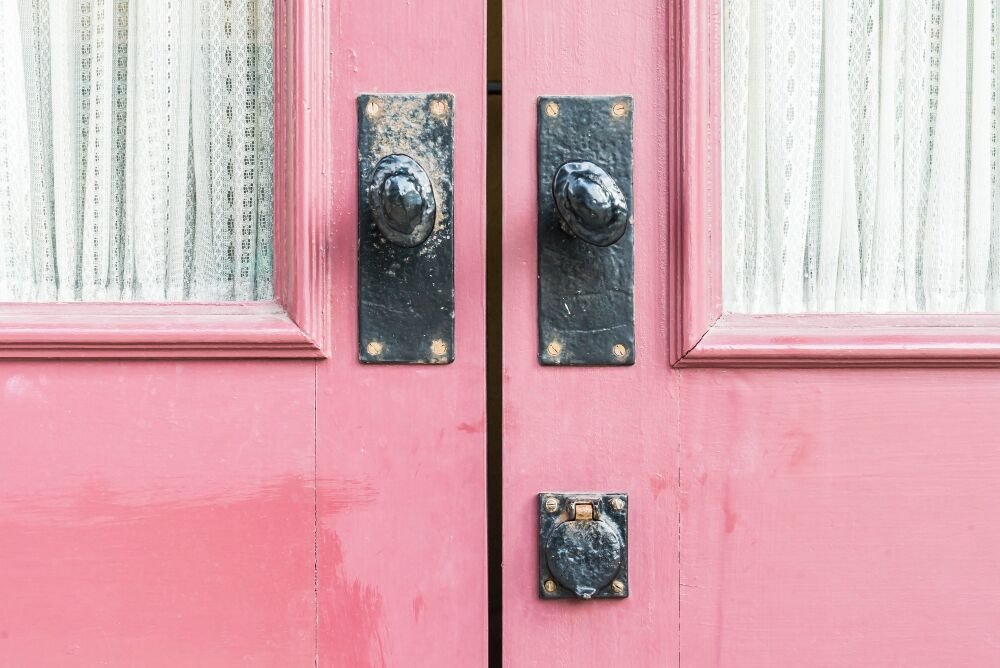
Testing for rot: If you have a wood door, press your thumb into the lower corners and along the bottom edges. If the material feels soft or spongy, rot has already set in. These areas are the most vulnerable because moisture naturally collects and sits at the base of the door. Once rot begins, it rarely stays confined — it can spread into the door frame, damage your subfloor, and even affect flooring or carpet inside the entryway.
Wood doors are not the only ones at risk. Steel doors can rust, dent, and crack over time, particularly near the bottom where water exposure is highest. If the paint is peeling or fading beyond cosmetic touch-up, the exposed surface becomes susceptible to accelerated weather damage. Fiberglass doors, by comparison, resist dents, scratches, and moisture-related deterioration far better than either wood or steel.
Another form of visible deterioration is glass seal failure. If your door has glass panels or windows, check for condensation, cloudiness, or fog trapped between the panes. This happens when the sealed glass unit breaks down, allowing moisture inside. Once the seal fails, the insulating barrier is gone — and on metal doors, the trapped moisture can cause internal rusting that weakens the door from the inside out. Yellowed or dated glass inserts are also a sign that the sealed unit or the glass itself has degraded.
Ignoring visible damage doesn’t just affect how your door looks. Cracks and warping create gaps that let in drafts and moisture, leading to energy loss and potential water damage. If the damage is structural, it also makes the door easier to force open — turning a cosmetic issue into a security risk.
Sign 2: Difficulty in Opening, Closing, or Locking
A smooth and effortless operation is the hallmark of a well-functioning front door. If you find yourself struggling to open, close, or lock your front door, it’s a sign of underlying issues that need attention.

What causes this: Over time, homes settle and shift. When that happens, the door frame can move out of square, putting constant pressure on the door and its hardware. This is especially common in older homes where the foundation has had decades to settle. Moisture and temperature swings make it worse — wood doors swell in humidity and contract in dry conditions, which is why a door that opens fine in summer may stick badly in winter.
Worn-out hinges are another frequent cause. Hinges that are rusting, sagging, or squeaking have lost their ability to hold the door properly aligned. When hinges fail, the door drags against the floor or frame, requiring extra force to operate. Worn or tarnished handles and loose hardware add to the frustration and can indicate that the entire locking mechanism is past its prime.
A door that doesn’t latch or lock properly is more than an inconvenience — it’s a security hazard. If you have to lift the door or push hard just to get the lock to engage, the alignment has shifted enough that a firm push from the outside could bypass it entirely. In an emergency where a quick exit is necessary, a door that sticks or jams poses an additional safety risk.
If your front door is fighting you every time you leave or enter the house, the underlying problem is only getting worse with each use. The added force required to operate a misaligned door accelerates wear on the hinges, frame, and locking mechanism — making eventual replacement inevitable.
Sign 3: Drafts, Noise, and Rising Energy Bills
Another telling sign that it’s time to replace your front door is the presence of drafts or noticeable energy loss around the door. This can stem from poor insulation, gaps between the frame and the house, or weatherstripping that has compressed, cracked, or pulled away over time.
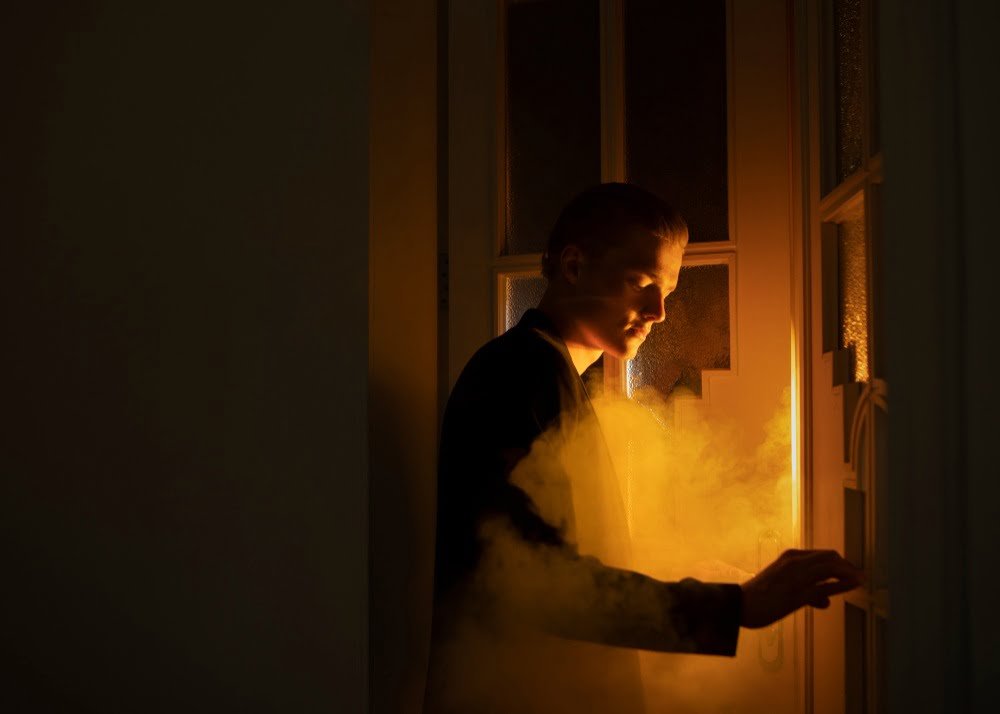
When air leaks around your door, your heating and cooling system has to work significantly harder to maintain a comfortable temperature inside. Over months and years, this adds up to noticeably higher utility bills. The strain on your HVAC system can also shorten its lifespan, turning a door problem into an even more expensive repair.
How to check for air loss:
- Feel around the door frame — run your hand along the edges and base on a cold or windy day. Any cool spots or moving air indicate a failed seal.
- Look for light. If you can see daylight around the edges of a closed door, air — and money — is escaping.
- Check the floor near the entryway. Cold floors in that area, especially in winter, are a direct indicator of air infiltration.
- Review your energy bills for unexplained spikes or steady increases compared to the same season in previous years.
- Look for condensation or frost forming around the inside of the door frame, which signals temperature exchange caused by poor insulation.
Why modern doors insulate better: Replacement doors today use materials and construction methods that older doors simply don’t have. Fiberglass and steel doors with expanded polyurethane foam cores provide significantly better insulation than hollow or thin wood-core doors. The insulation performance of a door is measured by its R-value — the higher the number, the better it resists heat flow. Fiberglass entry doors typically range from R-5 to R-6, with thicker slabs and advanced insulation pushing that number higher. Proper installation also matters: insulation between the frame and the house structure, sealed with caulk and finished with tight-fitting trim, eliminates the air gaps that even a good door can’t overcome on its own.
Drafts aren’t the only thing leaking through a failing door — noise is, too. Many homeowners don’t realize how much sound travels through a hollow-core or poorly insulated door. If you can hear street traffic, neighbors, or outdoor noise clearly from your entryway, the same gaps and thin materials that let air in are also letting sound through. A door with a solid polyurethane foam core, properly sealed glass panels, and a custom-fit frame blocks significantly more noise, giving you a quieter and more private home interior.
Sign 4: Outdated Appearance and Declining Curb Appeal
While the functional aspects of a front door are critical, its appearance directly affects your home’s curb appeal and value. An outdated or visibly worn front door makes a poor first impression on visitors, neighbors, and — if you’re planning to sell — potential buyers.
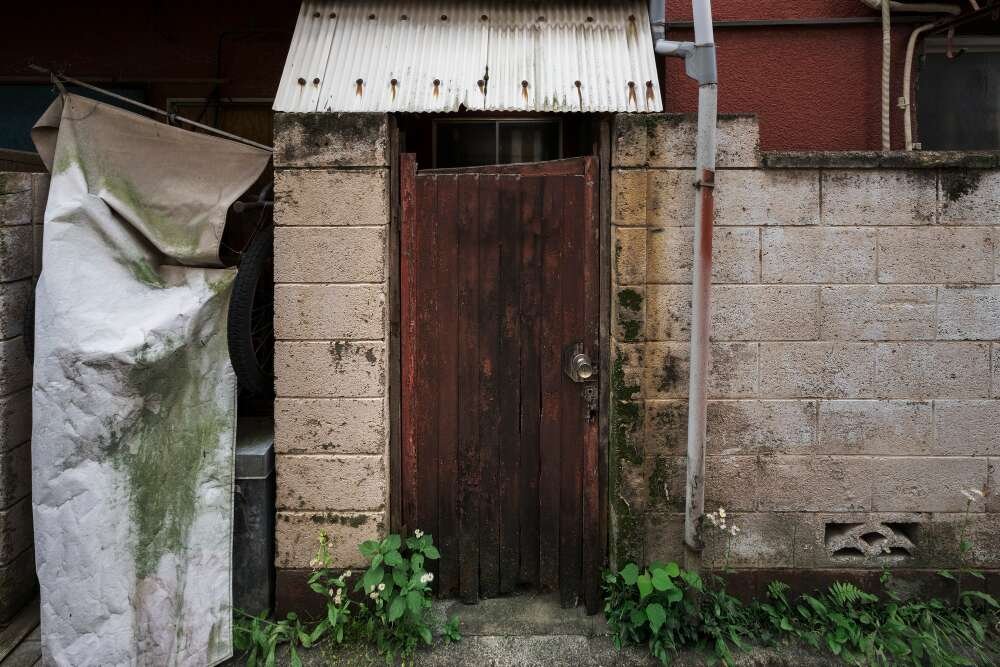
Signs your door’s look needs updating:
- Faded, chalky, or peeling paint and finishes that no longer respond to touch-ups
- Dated hardware — tarnished brass fixtures and old-style handles immediately age a home’s appearance
- Glass shapes and styles (like oval inserts) that clash with your home’s current architecture
- Visible wear, such as scratches, dents, or discoloration, that cleaning and refinishing can’t fix
Think of your front door as a handshake — it’s the first thing people encounter, and it sets an expectation for the rest of your home. If you’ve updated your siding, landscaping, or windows but left the original door untouched, the mismatch is noticeable.
The financial case for updating is straightforward. According to national remodeling data, a front door replacement has an average return on investment between 60% and 65%, depending on the material chosen. That makes it one of the highest-ROI home improvement projects relative to its cost.
Current design trends lean toward darker finishes — matte black and deep blue are particularly popular — along with wrought iron hardware, keypad smart locks, and three-quarter glass panels that bring in natural light without sacrificing privacy. Choosing glass inserts with the right obscurity level can completely change the look of your entryway while complementing your home’s architectural style, whether that’s Colonial, Craftsman, Modern Farmhouse, or something else entirely.
Sign 5: Security Concerns
One of the most critical signs that it’s time to replace your front door is when it begins to compromise the safety of your home and family. A weakened or outdated front door leaves your property vulnerable to break-ins and puts both your belongings and your peace of mind at risk.
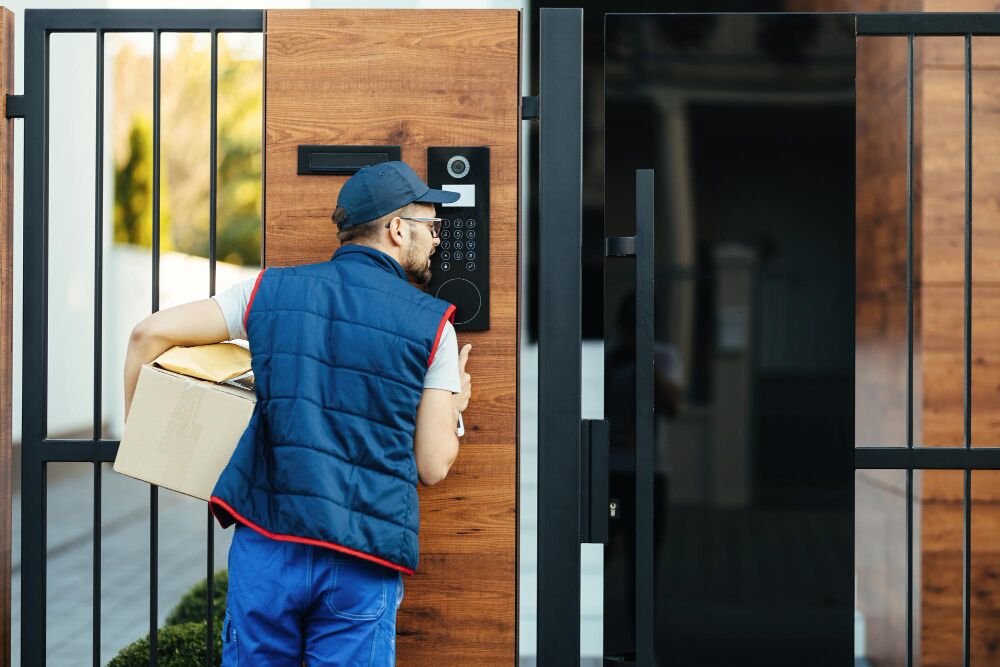
Security issues that call for replacement:
- Ineffective or outdated locking mechanisms that can be easily bypassed or forced open
- Structural damage — cracks, warping, or soft spots that weaken the door’s resistance to forced entry
- A door that won’t latch or lock securely, even after hardware adjustments
- Insufficient reinforcement in the door material itself
Modern replacement doors address these vulnerabilities with features that older doors lack. Multipoint locking systems secure the door at multiple points along the frame — not just at the handle — making it dramatically harder to force open. Smart locks and keypad entry systems eliminate the risk of lost or copied keys and allow you to monitor and control access remotely. Fiberglass and steel doors also offer better impact resistance than older wood doors, adding another layer of physical security.
There’s a financial dimension as well. Many home insurance providers consider the condition and security features of your entry points when assessing risk and setting premiums. Upgrading to a modern, secure door can sometimes lead to lower insurance costs — offsetting part of the replacement expense.
Common Front Door Materials and Their Pros and Cons
Choosing the right material is one of the most important decisions when replacing your front door. Each option has trade-offs in terms of durability, maintenance, insulation, and appearance.
| Material | Pros | Cons |
|---|---|---|
| Wood | Elegant, timeless appearance; highly customizable; good natural insulation | Requires regular painting or staining; susceptible to warping, swelling, and rot in humid or wet climates |
| Fiberglass | Low maintenance; resists dents, warping, and moisture; strong insulation (R-5 to R-6); wide range of design and finish options | Higher upfront cost compared to basic wood or steel options |
| Steel | Highly secure and impact-resistant; long-lasting; low maintenance; fire-resistant | Can dent or scratch; may rust if the finish is compromised; fewer style options than fiberglass |
| Vinyl | Affordable, low maintenance, decent insulation, available in many colors | Can fade or become brittle with prolonged sun exposure; generally looks less premium than other materials |
Should You Repair or Replace?
Not every front door problem requires a full replacement. Some issues can be resolved with simple repairs, while others are clear signals that a replacement is the smarter and more cost-effective choice.
| If You Notice… | Repair May Work | Replacement Is Smarter |
|---|---|---|
| Loose or compressed weatherstripping | Yes — weatherstripping can be replaced inexpensively | — |
| Minor hardware issues (loose handle, squeaky hinge) | Yes — tightening or swapping hardware often solves it | — |
| Drafts combined with rising energy bills | — | Yes — indicates insulation and seal failure that repairs can’t fully restore |
| Rot or frame damage | — | Yes — rot spreads and compromises the entire entry structure |
| The door won’t lock or latch securely | — | Yes — a security issue that hardware adjustments alone can’t reliably fix |
| Visible warping or swelling | — | Yes — the door material has permanently deformed |
| Condensation between glass panes | — | Yes — the sealed unit has failed and cannot be restored |
FAQs
How long does a front door typically last?
Most front doors last between 20 and 30 years, depending on the material and how well they were installed. Wood doors in humid or wet climates tend to fail sooner due to moisture damage, while fiberglass and steel doors generally hold up longer with less maintenance.
Can a front door really affect my energy bills?
Yes. Gaps around the frame, failed weatherstripping, and poor insulation allow heated or cooled air to escape continuously. In colder climates, this can noticeably increase heating costs in winter and cooling costs in summer, putting extra strain on your HVAC system year-round.
Is it better to repair or replace a damaged front door?
Minor issues like worn weatherstripping or a loose handle can usually be repaired. However, if the door is warped, rotting, rusted, letting in drafts, or failing to lock properly, replacement is typically more cost-effective and prevents the problem from worsening or spreading to the frame and subfloor.
What is the best material for a replacement front door?
Fiberglass and steel are the most popular choices for replacement entry doors. Fiberglass handles temperature changes well, resists warping, and offers strong insulation. Steel provides excellent security and durability. Both outperform traditional wood when it comes to moisture resistance and long-term maintenance requirements.
How long does a front door replacement take?
Most standard replacements can be completed in a single day. If the existing frame requires structural repairs, custom sizing, or rot remediation, the project may take longer. Homeowners typically notice immediate improvements in comfort, noise reduction, and security once the new door is installed.
Will replacing my front door increase my home’s value?
Yes. A new front door improves curb appeal and energy efficiency — both factors that positively influence resale value. Nationally, front door replacements carry an average ROI between 60% and 65%, making it one of the more cost-effective exterior upgrades.
Conclusion
Your front door is far more than a decorative entry point. It’s a structural barrier, an energy efficiency component, and your home’s first line of security — all working together every single day. Recognizing the signs that it’s time to replace your front door is essential for keeping your home safe, comfortable, and efficient.
Whether the warning comes as visible rot at the bottom corners, a door that sticks every time you try to lock it, cold air seeping through the frame, fog trapped inside glass panels, or hardware that’s been repaired one too many times — each sign is telling you the same thing: the door has reached the end of its functional life.
Regular inspections and basic maintenance like repainting, tightening hardware, and replacing weatherstripping can extend a door’s lifespan. But when multiple signs appear together — especially drafts, structural damage, and security issues — maintenance becomes a temporary fix for a permanent problem. A high-quality replacement door made from fiberglass or steel, properly installed with modern insulation and locking systems, will outperform any repair in the long run.
Don’t wait until a small issue becomes an expensive one. Address the signs early, choose the right material for your home and climate, and invest in a front door that protects your family, lowers your energy bills, and makes the right first impression every time someone walks up to your home.
