

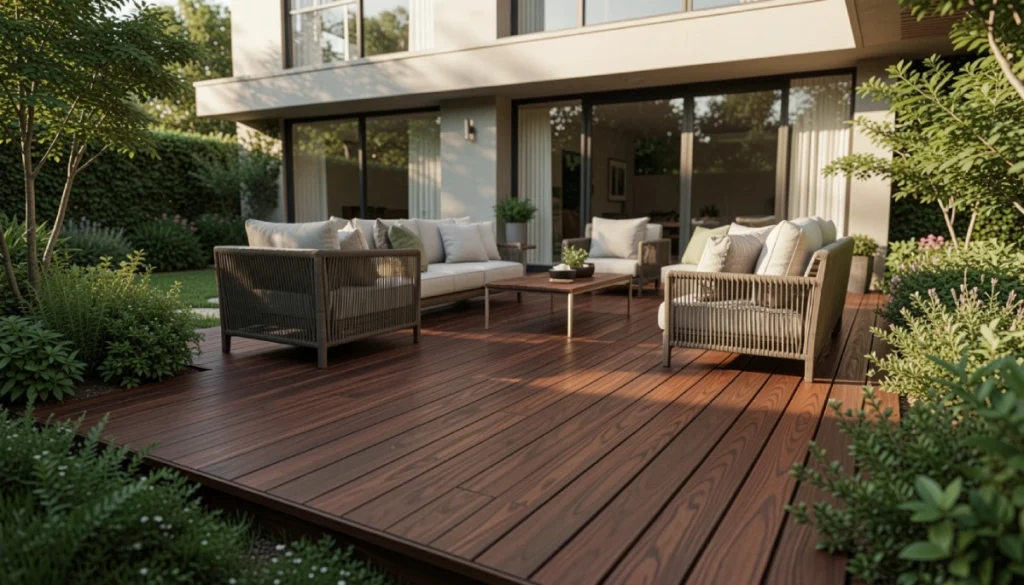
Adding a deck transforms your backyard—but with so many material options, how do you pick the right one? ipe decking stands out for its exceptional durability and beauty, making it a popular choice for homeowners investing in long-lasting outdoor upgrades. Ipe, also known as Brazilian Walnut, offers a rich color palette and impressive density—rated 3,680 lbf on the Janka Hardness Scale—making it one of the hardest commercial decking woods available. But selecting the right species is crucial for optimizing performance and visual appeal.
Understanding the different species of Ipe and their characteristics can be the difference between just a functional deck and a stunning, resilient addition to your home. In this article, we dive into the key homeowner’s considerations when selecting IPE decking species—from dimensions and durability to aesthetics and sustainability—guiding you through the process to ensure you make an informed decision.
Selecting the Right Ipe Decking Species for Your Home
Choosing the correct Ipe species is essential for ensuring that your deck aligns with both your visual preferences and functional needs. While all IPE comes from the Tabebuia genus, species like Tabebuia serratifolia and Tabebuia impetiginosa vary in grain tightness, natural oil content, and color consistency—factors that directly impact finishing results and weathering patterns.
For instance, some species may have a more pronounced grain pattern, appealing to homeowners seeking a rustic aesthetic, while others provide a finer, more uniform appearance. Additionally, certain species can have varying shades of brown, from light to deep espresso, catering to diverse design themes and tastes.
Actionable guidance for the selection process includes researching reputable suppliers and requesting samples to observe firsthand the nuance in the wood’s appearance. Your deck should feel like it belongs: test samples against your home’s siding and trim in natural light—when the tones complement each other, the whole space clicks.
Durability and Maintenance: Comparing Ipe Decking Varieties
The renowned durability of Ipe decking is one of its most coveted attributes, as it naturally resists rot, decay, and insect infestation. Different varieties of Ipe, however, may have slight discrepancies in their longevity and maintenance requirements that can sway a homeowner’s choice.
For example, higher-oil IPE species like Tabebuia impetiginosa may only need UV-protective oiling every 12–18 months, while denser, lower-oil variants benefit from bi-annual sealing with products like Penofin® or Messmer’s® to prevent graying. This inherent resistance can significantly lower long-term maintenance costs and effort—an important consideration for busy homeowners.
Don’t guess on maintenance: match your IPE species to your lifestyle. If you’d rather spend weekends relaxing than resealing, choose a high-oil variety that needs less frequent care. It’s also advisable to look into the wood’s properties and consult with professionals to obtain species-specific care instructions that may affect the lifespan of your decking.
Aesthetic Appeal and Compatibility with Home Design
The aesthetic appeal of your Ipe decking should complement the architectural style of your house and enhance the overall look of your property. Each species of Ipe brings its distinct grain, texture, and color to the table, allowing for customization according to your design vision.
Matching the decking with elements such as the color of your home’s siding, the style of outdoor furniture, or even the landscaping can create a cohesive and inviting outdoor area. Consider the lighting conditions in your space as well, as the wood’s color can look different depending on the time of day and the amount of sunlight it receives.
To ensure compatibility with your home’s design, create a mood board including samples of your chosen Ipe alongside other materials from your home. Place your IPE samples outdoors for 48 hours before deciding—natural sunlight reveals true color variation that showroom lighting can mask. Working with a design professional can also provide valuable insights into achieving the desired balance and coherence.
Eco-Friendly Considerations for Ipe Decking Choices
In a time when environmental sustainability is increasingly vital, it’s important to consider eco-friendly options when selecting Ipe decking species. Ipe wood is harvested from tropical forests, and responsible sourcing is key to minimizing ecological impact.
Seek out Ipe decking that is certified by the Forest Stewardship Council (FSC) AND includes Lacey Act compliance documentation—this dual verification ensures your decking meets U.S. import regulations while supporting reforestation initiatives in South American harvest regions. Moreover, inquiring about the supplier’s commitment to environmental standards can add another layer of confidence to your selection.
Think beyond installation: eco-smart homeowners ask where their IPE was harvested, how long it’ll last, and whether it can be repurposed—so you feel good about your choice for decades. Acquiring Ipe decking with sustainability credentials may come at a premium, but it’s a worthwhile investment in preserving the planet’s resources and supporting ethical industry practices.
- Color match: Request 3–5 samples in your outdoor lighting
- Maintenance tolerance: High-oil species = less frequent sealing
- Sustainability proof: Ask for FSC + Lacey Act docs
- Installer experience: Confirm the contractor has worked with your chosen species
Ultimately, choosing the right species of Ipe decking for your home involves thoughtful consideration of various factors, including aesthetic preferences, maintenance requirements, and ecological impact. By integrating these aspects with a holistic approach to home design, you can create a deck that is not only stunning and sturdy but also respectful of the environment. With a well-informed choice, your Ipe deck can serve as a beautiful, sustainable extension of your living space for years to come.
