

Home remodeling projects remain one of the most effective ways to increase your property’s value while creating a space that genuinely works for your lifestyle. Whether you are preparing to list your home or simply want to improve how it feels to live there, the right renovations can deliver meaningful returns — both financially and in everyday comfort.
The key lies in choosing projects that align with what buyers actually want, what your neighborhood supports, and what your budget allows. This guide walks you through the renovations that consistently deliver the strongest results, backed by current industry data and practical planning advice.
Why Invest in Home Remodeling Projects?
Upgrading for Your Enjoyment vs. Increasing Resale Value
Some renovations are aimed squarely at improving your daily living experience, while others focus on boosting your home’s resale value. The most successful remodeling projects manage to serve both purposes — a kitchen that you love cooking in today and that appeals to buyers tomorrow is an investment that pays off twice.
That said, it helps to know where your money works hardest. Not every project that feels like an upgrade will translate into a higher sale price, and not every high-ROI project will bring you personal satisfaction. The goal is to find the overlap between what you enjoy and what the market rewards.
2. Prioritizing Projects by Return on Investment
According to the 2025 Cost vs. Value Report published by the Journal of Light Construction, certain exterior and interior projects consistently recoup more than their resale cost. Garage door replacements, entry door upgrades, and minor kitchen remodels regularly outperform larger, more expensive overhauls. Understanding these numbers before you start spending can save you thousands.
A useful rule of thumb: match the finish level of your renovations to your neighborhood. A $100,000 kitchen in a mid-range neighborhood will not return what it cost, because buyers in that market are not willing to pay a premium for features they did not ask for. Renovating smartly means knowing your market’s ceiling and staying within it.
How the Right Improvements Transform Your Living Space
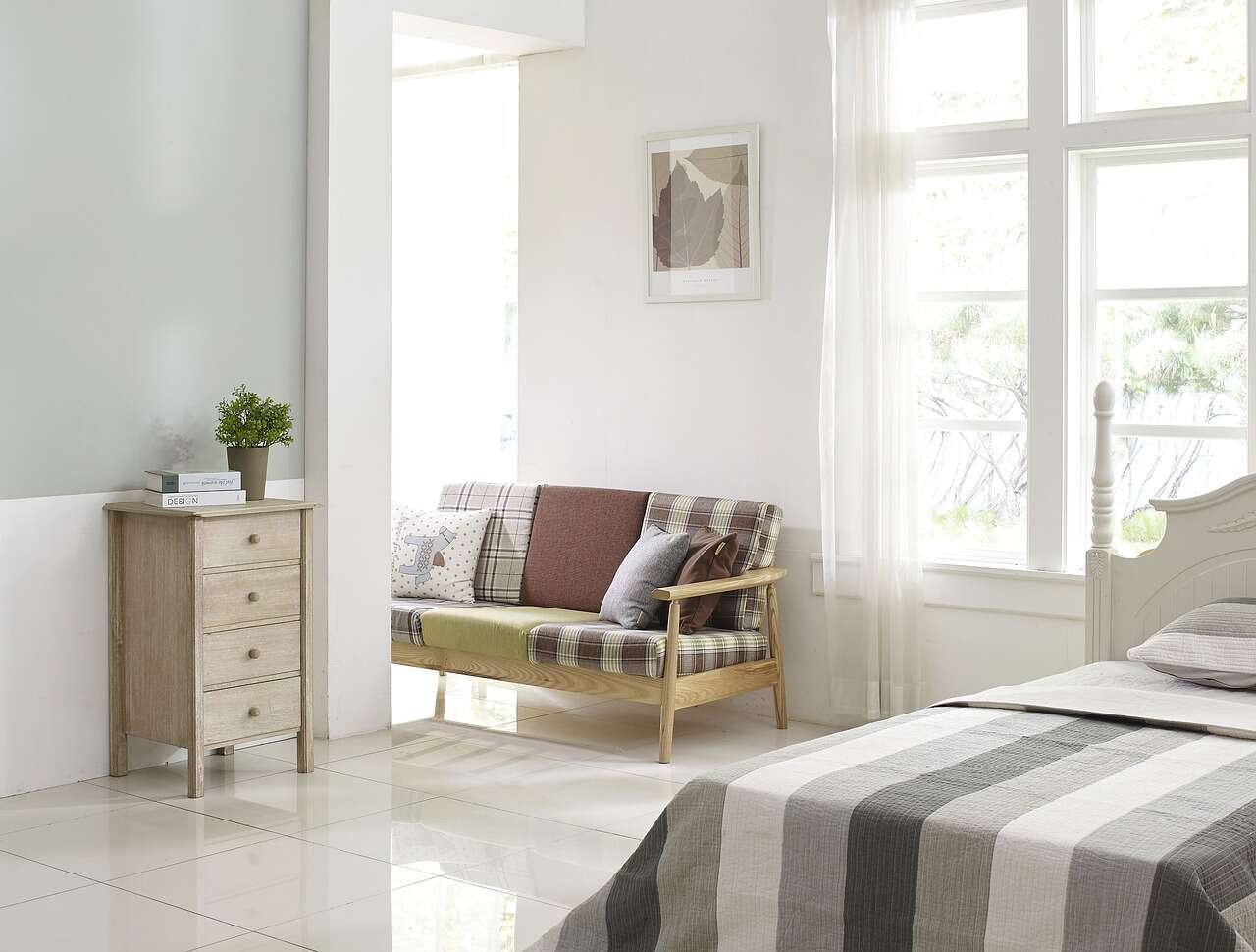
Beyond the financial side, remodeling can fundamentally change how you experience your home. Opening up a cramped kitchen changes how your family gathers. A well-designed bathroom with heated floors and a walk-in shower turns a routine part of the day into something you actually look forward to. These shifts in daily life are difficult to put a price on, but they are often the reason homeowners choose to renovate in the first place.
Key Areas to Focus On: Kitchen and Bathroom Renovations
Minor Kitchen Remodel: The Smartest Kitchen Investment
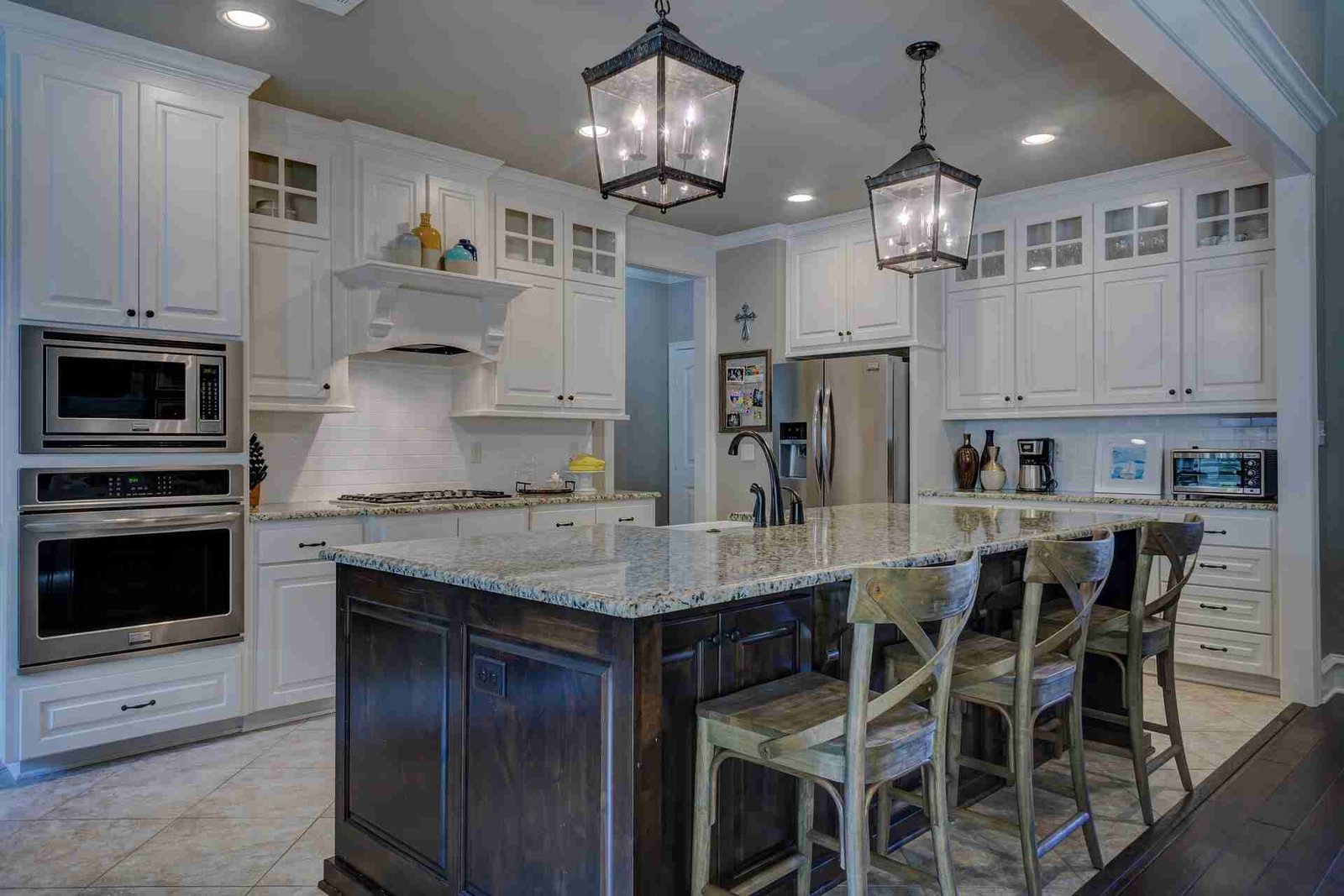
There is a significant difference between a minor kitchen remodel and a full gut renovation — and the data makes the choice clear. A minor kitchen remodel, which typically includes refacing or repainting cabinets, replacing countertops with quartz or granite, updating the sink and faucet, installing new flooring, and swapping in mid-range appliances, costs around $28,000 to $30,000 and can recoup approximately 113% of that investment at resale.
A major upscale kitchen renovation, by contrast, can cost $80,000 to $160,000 or more — and buyers typically only pay back about half of that. The gap is enormous. Buyers want clean, functional, and updated. They do not necessarily pay extra for custom-made everything.
Here is what a high-impact minor kitchen remodel typically includes:
- Cabinet refacing or repainting: Instead of tearing out cabinets entirely, replace the doors or apply a fresh coat in a neutral tone. This alone can modernize the entire room.
- Countertop replacement: Swapping dated laminate for quartz or granite gives the kitchen an immediate sense of quality.
- Updated lighting: Layer your lighting with a statement pendant over the island, under-cabinet task lighting, and recessed ceiling fixtures.
- New sink and faucet: A deep undermount sink with a modern pull-down faucet is a small change that registers as a significant upgrade.
- Mid-range appliance upgrades: Energy-efficient models in a consistent finish (stainless steel remains the safest choice) tie the whole room together.
Understanding Kitchen Remodel Costs by Tier
Budgeting for a kitchen remodel depends heavily on the scope of work. Here is a rough breakdown by tier:
- Budget refresh ($15,000–$25,000): Cabinet refacing, fresh paint, basic countertops, and selective appliance replacement.
- Mid-range remodel ($25,000–$50,000): Semi-custom cabinets, quartz or granite countertops, mid-tier appliances, new flooring, and updated lighting throughout.
- High-end renovation ($60,000–$100,000+): Layout changes, custom cabinetry, premium appliances, and designer finishes.
A practical budgeting framework used by many contractors is the 30-25-20-15-10 rule: allocate roughly 30% of your budget to cabinetry, 25% to labor, 20% to appliances, 15% to countertops, and 10% to flooring and lighting. Whatever tier you are working in, set aside an additional 10–20% as a contingency buffer — every kitchen project surprises you with something behind the walls.
Kitchen Renovations to Approach with Caution
Not every kitchen upgrade earns its money back. High-end custom cabinetry in a mid-priced neighborhood, commercial-grade ranges in a starter home, and layout changes that require moving plumbing or gas lines tend to cost far more than they return. Similarly, designer tile or highly specific aesthetic choices may delight you personally, but can narrow your pool of future buyers. If resale value matters, keep the finishes broad in appeal and high in quality — not niche in taste.
Bathroom Upgrades That Make a Real Difference
Bathroom renovations consistently rank among the most popular home improvement projects, and for good reason. A midrange bathroom remodel costs around $26,000 and returns approximately 80% of that at resale. But beyond the numbers, a well-designed bathroom changes how you start and end every day.
1. Walk-In Showers
Replacing an older, bulky bathtub with a spacious walk-in shower remains one of the most requested bathroom upgrades. A well-executed walk-in shower — with a frameless glass enclosure, rainfall showerhead, built-in niche for storage, and zero-entry threshold for accessibility — costs between $15,000 and $30,000 depending on the scope, and typically returns 60–70% at resale.
The zero-entry or curbless design deserves particular attention. As aging-in-place considerations become more important to a broader range of buyers, barrier-free showers are shifting from a niche accessibility feature to a mainstream design expectation.
2. Double Sink Vanities
Research consistently shows that nearly 70% of homebuyers consider double sinks either desirable or essential, particularly in a primary bathroom. If your layout allows it, a double vanity is one of the highest-impact changes you can make in this room. Floating vanities — mounted to the wall to expose the floor beneath — add a contemporary feel and make smaller bathrooms appear more spacious.
3. Heated Flooring
Radiant floor heating beneath tile is one of those upgrades that sounds like a luxury but reads as a practical investment to buyers. Market data indicates that homes with heated flooring receive more saves and shares on listing platforms — a clear signal that this feature drives buyer interest. The installation cost is modest relative to the perceived value it creates, especially in colder climates.
4. Water-Efficient and Smart Fixtures
Eco-conscious buyers increasingly look for homes with low-flow toilets (1.28 gallons per flush or less), WaterSense-certified faucets and showerheads, and tankless water heaters. These fixtures reduce utility bills and appeal to a growing segment of the market. In some regions, including parts of Colorado and California, installing qualifying water-efficient fixtures can make you eligible for local rebates and incentives — an added financial benefit worth exploring before you begin.
On the technology side, digital shower systems that allow you to preset water temperature and pressure, voice-activated lighting, and LED mood lighting in showers are gaining traction as bathroom-specific smart home features.
5. The Wellness Angle
A well-designed bathroom is increasingly viewed through the lens of personal wellness. Steam showers with aromatherapy capabilities, deep freestanding soaking tubs, and calming material palettes transform a purely functional room into a space for stress relief and daily restoration. This wellness framing resonates with buyers who are not just looking for square footage, but for a home that supports how they want to feel.
Enhancing Curb Appeal: Exterior Upgrades That Make a Difference
1. Garage Door Replacement: The Single Highest-ROI Project
According to the 2025 Cost vs. Value Report, garage door replacement delivers the highest return on investment of any tracked remodeling project — approximately 268% ROI, with an average cost of around $4,670 and a resale value contribution of roughly $12,500. No other project comes close to that ratio.
Several factors explain this outsized return:
- Curb appeal impact: The garage door is often the single most visible element of a home’s exterior. A new door immediately modernizes the facade.
- Daily use: It is the most frequently used door in most homes. A newer, smoother, quieter mechanism improves your everyday experience.
- Energy efficiency: Modern insulated garage doors — particularly those with polyurethane insulation — help regulate temperature in attached garages and adjacent rooms.
- Durability and style: Steel and aluminum options with embossed wood-grain textures offer the look of natural wood without the maintenance burden.
- Privacy and light: Decorative glass panel options with obscure glass let natural light in while maintaining privacy.
If your renovation budget is limited and you are focused on resale, this is the single project to prioritize.
2. Steel Entry Door Replacement
A new steel entry door costs around $2,400 and returns approximately 216% of that at resale — making it the second most cost-effective exterior project. Beyond the numbers, a fresh entry door signals to buyers that the home has been well-maintained. Pairing it with updated hardware and a well-chosen color amplifies the effect.
3. Manufactured Stone Veneer
Adding manufactured stone veneer to the lower portion of your exterior walls costs approximately $11,700 and returns around 208% at resale. This upgrade gives even modest homes a custom, premium appearance. It is durable, low-maintenance, and works across a wide range of architectural styles.
4. Siding Replacement
Fiber-cement siding replacement, at roughly $21,500, returns approximately 114% of its cost. This material resists moisture, insects, and fire, and it holds paint well — a practical choice that buyers recognize as a long-term value. Vinyl siding replacement offers a lower upfront cost but returns slightly less, around 97%.
5. The Impact of a Fresh Coat of Paint
Not every curb appeal project requires a major budget. Interior painting is one of the most commonly completed pre-listing projects — roughly one in three sellers paints their home’s interior before listing, and for good reason. A fresh coat of paint in the right color can add $1,000 to $3,000 or more in perceived value for an investment of $200 to $800.
Market research has found that specific colors carry measurable weight with buyers. An olive-toned kitchen, for example, has been associated with higher sale prices compared to other color palettes. And when it comes to your front door, a black finish tends to outperform gray — with buyers willing to offer several thousand dollars more for a home with a black front door.
Exterior painting and landscaping are equally impactful. Addressing overgrown plants, resealing driveway cracks, and updating house numbers are weekend-level projects that collectively create a strong first impression — both in listing photos and in person.
Maximizing Living Space: Basement and Attic Conversions
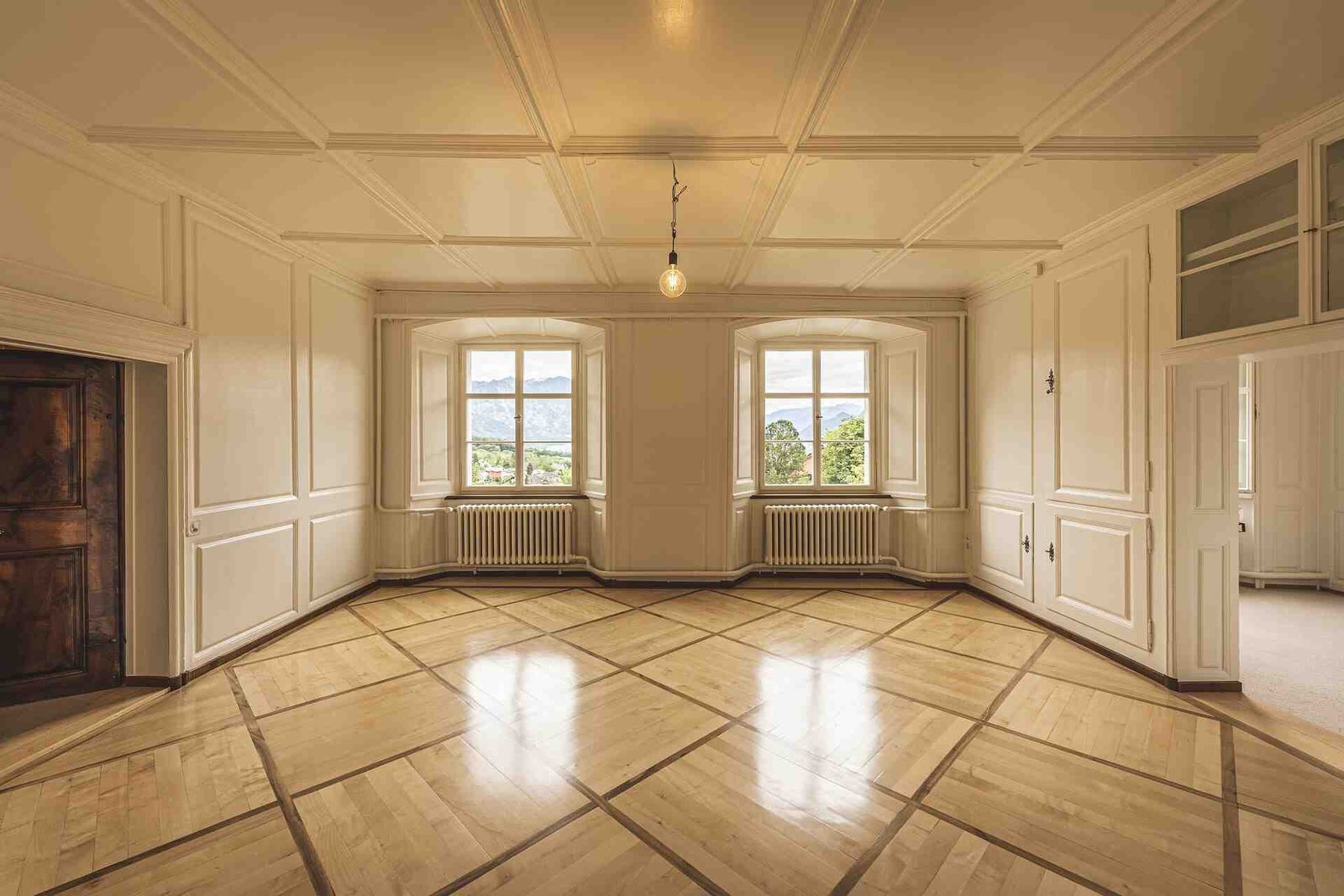
If your home feels short on space, converting an underused basement or attic is often more cost-effective than building an addition. These projects increase your home’s functional square footage without expanding its footprint — and buyers consistently prioritize homes that offer more usable living area.
1. Basement Remodels
An unfinished basement represents one of the largest untapped assets in many homes. Converting it into a functional living space — a family room, guest suite, home gym, or entertainment area — costs roughly $57,000 on average and returns approximately 71% at resale.
Key considerations for a basement remodel include moisture management (a sump pump or drainage system may be needed before anything else), proper egress windows for safety and natural light, and insulation that meets local building codes. Done well, a finished basement can add hundreds of square feet of livable space at a fraction of the cost per square foot of above-grade additions.
2. Attic Conversions
An attic conversion is another smart way to add a bedroom, home office, or quiet retreat without changing your home’s exterior. The cost per square foot is often lower than ground-level additions because the structure — roof, walls, foundation — already exists. The main investment goes into proper insulation, flooring reinforcement, dormer windows or skylights for natural light, and ensuring the space meets building code for ceiling height and emergency egress.
With remote work now a permanent fixture for many households, a converted attic that doubles as a private, insulated home office holds particular appeal. If you can add a small bathroom or powder room to the conversion, the value increase is even more significant.
3. Accessory Dwelling Units and Solar Panels
Two categories newly tracked in recent cost-versus-value data are worth noting for homeowners thinking longer term. Accessory dwelling units (ADUs) — self-contained living spaces on the same property as a primary home — are gaining traction as cities relax zoning restrictions to address housing shortages. For homeowners in eligible areas, an ADU can generate rental income or provide flexible living space for family members.
Rooftop solar panels, meanwhile, are increasingly viewed not just as an energy-saving upgrade but as a property value enhancement. The financial return depends on your local energy costs, available incentives, and sunlight exposure, but in many markets, solar installations are becoming a differentiator that buyers actively seek.
Smart Home Upgrades for the Modern Homeowner

Smart home technology has moved well beyond novelty. For a growing number of buyers, integrated tech features are a genuine factor in their purchasing decision — and they do not require major construction to install.
1. Technology for Energy Efficiency and Convenience
A smart thermostat is one of the simplest upgrades you can make. Devices from brands like Nest or Ecobee learn your schedule, adjust temperatures automatically, and can reduce heating and cooling costs noticeably over the course of a year. Smart lighting systems — including remote-controlled switches, dimmers, and programmable schedules — offer similar convenience and efficiency gains.
Keyless entry locks and smart garage door openers add another layer of practical value. They allow you to monitor and control access to your home from anywhere, which appeals to buyers who value both security and convenience.
When selecting smart home products, prioritize devices that work across major platforms (such as Matter, Google Home, Amazon Alexa, and Apple HomeKit). Compatibility and ease of use matter far more than having the most devices — a few well-integrated systems will always outperform a collection of gadgets that do not talk to each other.
2. Smart Home Features and Resale Value
According to recent buyer surveys, more than a third of homebuyers rate smart home capabilities as an important factor in their home search. Listings that highlight smart lighting and thermostats tend to receive more engagement on major real estate platforms. These are relatively modest investments that signal a modern, well-maintained home.
3. Backup Power Generators
One addition that has recently climbed into the top tier of high-ROI projects is the backup power generator. At an average cost of around $13,500, these systems return approximately 95% of their cost at resale — and in regions prone to hurricanes, severe storms, or grid instability, the return can exceed 100%.
As extreme weather events become more frequent and power outages more common, buyers increasingly view whole-home generators not as a luxury but as a practical safeguard. For homeowners in climate-vulnerable areas, this project deserves serious consideration.
Flooring and Lighting: Simple Updates with Big Impact
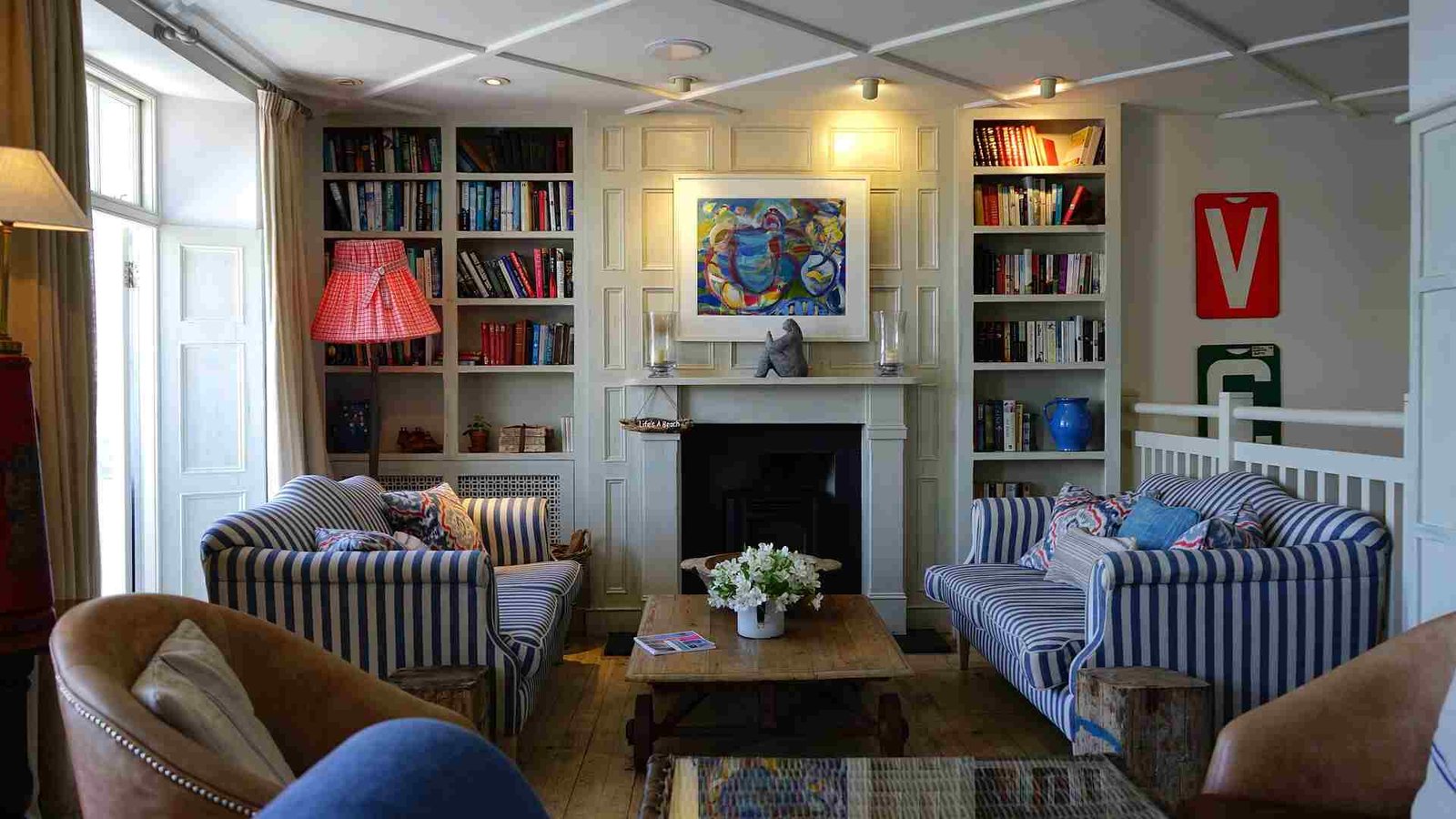
Flooring and lighting are two of the most visible elements in any room, and updating them can transform a space without the cost and disruption of a full renovation.
1. Hardwood Floors vs. Carpet
Hardwood floors remain the preferred choice among most buyers for their durability, timeless appearance, and ability to increase a home’s value. In living areas, hallways, and kitchens, hardwood or high-quality luxury vinyl plank consistently outperforms carpet.
That said, carpet has its place — particularly in bedrooms and basement spaces where warmth and sound absorption are priorities. If you are choosing carpet, opt for neutral tones and quality padding. The goal is comfort without narrowing your buyer pool.
2. The Case for Heated Flooring
If your flooring needs replacement anyway, consider installing radiant heat beneath tile or stone — particularly in bathrooms, kitchens, and entryways. Beyond the daily comfort it provides, heated flooring has been shown to increase buyer engagement on listing platforms, with homes featuring this upgrade receiving measurably more saves and shares.
3. Modern Lighting Fixtures
Lighting sets the mood of a room more than almost any other single element. Replacing outdated fixtures with modern, energy-efficient alternatives — LED recessed lights, statement pendants, under-cabinet task lighting — can instantly update the look and feel of your interior. Focus on creating layers: ambient light for overall brightness, task lighting for work areas, and accent lighting to highlight architectural features or artwork.
4. Refinishing Existing Floors
If full floor replacement is not in the budget, refinishing existing hardwood is a cost-effective alternative that can make a dramatic difference. Sanding, staining, and sealing worn floors brings back their original character and removes years of visible wear. For concrete floors in basements or modern spaces, staining and polishing create an industrial-chic look at a fraction of the cost of new flooring installation.
Planning Your Renovation: Budgeting and Avoiding Costly Mistakes
1. Set a Realistic Budget — Then Add a Contingency
Before choosing finishes and fixtures, determine how much you can comfortably spend and how you plan to pay for them. Whatever number you arrive at, add 10–20% as a contingency. Hidden water damage, outdated wiring, supply delays, and material price fluctuations are not rare exceptions — they are the norm in renovation work. Building a buffer into your budget from the start prevents mid-project stress and difficult compromises.
2. Financing Options
If paying cash is not feasible, there are several ways to finance a renovation:
- Home equity line of credit (HELOC): A revolving credit line secured by your home’s equity. You borrow what you need as you go, though the interest rate is variable.
- Second mortgage: A fixed lump-sum loan with a fixed interest rate, useful when you have a clear budget and timeline.
- Cash-out refinance: Replacing your existing mortgage with a larger one and using the difference for renovations — worth considering when interest rates are favorable.
Most lenders require that your total mortgage balance plus the renovation loan stay below 90% of your home’s pre-improvement value. If you cannot afford any improvements before listing, selling as-is or offering the buyer a credit at closing are alternatives — though the credit amount buyers request after an inspection often exceeds what the repair would have cost you upfront.
3. Renovations That Do Not Always Pay Off
Not every improvement translates to a higher sale price, even if it improves your daily life. Knowing which projects to approach cautiously is just as important as knowing which ones to prioritize:
- Swimming pools: Polarizing for buyers. Some love them; many see a safety concern and a maintenance burden. In most markets, a pool does not recoup its installation cost.
- Luxury upgrades beyond your neighborhood’s ceiling: Professional-grade appliances, marble countertops, and custom millwork may not command a premium if surrounding homes do not support that price tier.
- High-end landscaping and water features: While basic landscaping and curb appeal cleanup offer strong returns, elaborate garden installations and water features are often viewed by buyers as maintenance obligations rather than value adds.
4. Minimum Repairs Before Listing Your Home
If you are planning to sell, certain baseline repairs are expected by buyers and their inspectors. Addressing these before listing can prevent price reductions during negotiations and shorten your time on the market:
- Fix any leaky plumbing or broken fixtures.
- Replace cracked or damaged tiles.
- Remove peeling wallpaper and repaint in neutral tones.
- Repair or replace malfunctioning HVAC systems or appliances.
- Address overgrown landscaping, weeds, and visible exterior neglect.
- Seal driveway and walkway cracks.
A pre-listing home inspection can help you identify issues before buyers do, giving you the chance to make repairs on your own terms and timeline.
FAQs
Which home remodeling projects offer the best return on investment?
Exterior projects consistently lead in ROI. Garage door replacements return approximately 268% of their cost, steel entry doors around 216%, and manufactured stone veneer about 208%. Among interior projects, minor kitchen remodels return roughly 113%, and midrange bathroom remodels about 80%. These figures are based on national averages — your actual return will depend on your local market and the condition of your home.
How much should I budget for a kitchen remodel?
A budget-friendly kitchen refresh can be done for $15,000–$25,000, focusing on cabinet refacing, paint, and selective appliance updates. A mid-range remodel with semi-custom cabinets, new countertops, and updated lighting typically runs $25,000–$50,000. Whatever your budget, reserve 10–20% as a contingency for unexpected costs. The 30-25-20-15-10 allocation rule — 30% cabinetry, 25% labor, 20% appliances, 15% countertops, 10% lighting and flooring — is a reliable starting framework.
Are bathroom renovations worth the cost?
A midrange bathroom remodel returns about 80% of its cost at resale and ranks among the most popular projects for both sellers and buyers. Focus on features with broad appeal: walk-in showers with frameless glass, double vanities, heated floors, and water-efficient fixtures. Avoid overly personal design choices that may not resonate with future buyers.
What are the cheapest ways to increase home value before selling?
Interior painting is one of the most cost-effective pre-listing upgrades — a few hundred dollars in paint can add several thousand in perceived value. Deep cleaning, decluttering, and basic landscaping are essentially free or very low-cost but make a measurable difference in buyer impressions. Updating cabinet hardware, light switch plates, and outdated light fixtures are small changes that signal a well-maintained home.
Should I renovate if I am not planning to sell?
Absolutely — but shift your priority from ROI to quality of life. Choose projects that improve how you use and enjoy your space every day. A kitchen layout that works for your cooking habits, a bathroom that feels like a retreat, a home office that supports focused work — these improvements pay dividends in comfort long before you ever list the property. When you do eventually sell, well-chosen renovations will still add value, even if that was not the primary goal.
How do I know if a renovation is worth it in my specific market?
ROI varies by region. Coastal and western markets tend to report stronger returns on exterior projects, while midwestern markets may see better value from interior upgrades. Talk to a local real estate agent about what buyers in your area are prioritizing, and look at recent comparable sales to understand what finishes and features are commanding premiums in your neighborhood.
